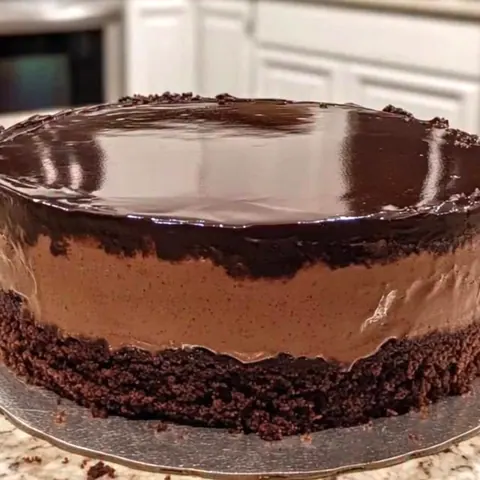
Black Velvet Cake with Glossy Chocolate Ganache: A Three-Layer Chocolate Showstopper
A towering three-layer black velvet cake with silky chocolate frosting between dark sponge layers and a glossy ganache finish. Slice it warm for clean, moist edges and a dramatic bakery-style look at home.
Published 11 min read
- Total time
- Prep
- Cook
- Rest
- Serves
- 12
- Makes one 3-layer 8-inch cake
- Cuisine
- American
- Calories
- 780
- per serving, estimated

On this page16 sections
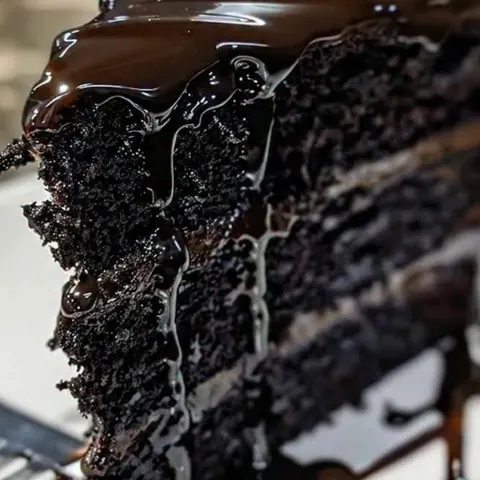
Glossy ganache slides down the sides of a dark, moist cake, and every slice reveals three tender black layers held together with silky chocolate frosting. This dessert looks dramatic, but the method stays simple and reliable. Read the whole recipe before you start, so the cake layers can cool while you prepare the frosting and ganache.
Black velvet cake is a deeply chocolate layer cake built on a tender, buttermilk-based sponge. Dark cocoa and a splash of hot coffee give the crumb its rich color and a depth that makes plain chocolate cake taste flat by comparison. Between the layers sits a smooth, bittersweet chocolate frosting that holds the stack together and keeps the cake moist for days. The finish is a glossy ganache that drips over the top edge in even ribbons. Each step builds on the one before it, so work in order and allow the layers and the frosting time to set. The result is a tall, glossy cake that slices cleanly and looks impressive on any dessert table.
The appeal
Why you’ll love it
Oil instead of butter keeps the crumb moist and tender even after the cake has chilled, which is why this cake stays soft on the second day. The buttermilk adds gentle acidity that reacts with the baking soda to lift the layers, while the cocoa adds flavor and deep color without making the crumb heavy.
Hot coffee blooms the cocoa, releasing more chocolate flavor and darkening the batter. Beating the eggs with the sugar and oil first creates a stable emulsion, so the batter bakes evenly into three level layers. Cooling the layers fully before frosting prevents the frosting from melting and sliding off the sides.
What you need
Ingredients
Makes one 3-layer 8-inch cake.
Cake layers
Chocolate frosting
Chocolate ganache
Contains:
- Gluten
- Eggs
- Milk
Tools
Equipment
- Three 8-inch round cake pans
- Parchment paper
- Stand mixer or hand mixer
- Offset spatula
- Long serrated or chef knife
- Medium saucepan
- Wire rack
- Cake board or serving plate
Swaps
Substitutions
Instead ofButtermilk
UseMix 1 cup whole milk with 1 tbsp fresh lemon juice or white vinegar and let it stand 5 minutes.
Instead ofDutch-process cocoa powder
UseNatural unsweetened cocoa powder works, but the cake will be lighter in color and slightly more acidic.
Instead ofBittersweet chocolate
UseSemisweet chocolate, which makes the frosting a little sweeter.
Good to know
Notes
Use Dutch-process cocoa for the darkest color and the smoothest flavor. Natural cocoa works too, but it gives a lighter, slightly sharper result. Choose a bittersweet chocolate between 60 and 70 percent cacao for the frosting so it sets firm without tasting bitter. For the ganache, a good dark chocolate in a bar or chopped form melts more evenly than chips.
You need three 8-inch round pans of the same size so the layers bake at the same rate and stack evenly. A stand mixer or hand mixer makes the batter and frosting smooth without overworking them. A long serrated or chef's knife with a thin blade cuts the layers cleanly, and a wire rack lets the cake cool evenly on all sides. If you do not have buttermilk, the milk and acid substitute below works well in this batter.
Prep
Before you start
Gather every ingredient before you turn on the oven, and bring the eggs and buttermilk to room temperature so the batter emulsifies smoothly. Soften the butter until it yields to gentle pressure but still holds its shape. Chop the bittersweet and dark chocolate finely so they melt evenly. Sift the flour, cocoa and confectioners' sugar, and set out three greased and parchment-lined 8-inch pans. Measure the coffee and let it cool slightly. Having everything ready keeps the cake layers, frosting and ganache moving in the right order, with no rushed steps and no chocolate left unmelted.
Step by step
Method
Phase 1
Baking the cake layers
Step 1: Heat the oven and prepare pans
Heat the oven to 350°F (175°C). Grease three 8-inch round cake pans, line the bottoms with parchment paper, and set them aside. Sift the flour, cocoa powder, baking soda and salt into a large bowl and whisk until evenly combined.
You’ll need: all-purpose flour · unsweetened Dutch-process cocoa powder · baking soda · kosher salt
Look for: Pans are greased, lined and sitting ready on the counter.
Tip: Grease the parchment as well as the sides so the layers release cleanly.
Step 2: Mix the cake batter
In a large bowl or stand mixer, beat the sugar, eggs, oil, buttermilk and vanilla until smooth. Add the dry ingredients in two additions, mixing on low speed. Pour in the hot coffee last and stir until the batter is thin, smooth and dark.
You’ll need: granulated sugar · large eggs · neutral vegetable oil · buttermilk · pure vanilla extract · hot brewed coffee
Look for: The batter is thin, smooth and uniformly dark with no dry streaks.
Tip: The hot coffee deepens the chocolate flavor without tasting of coffee.
Checkpoint
At the end of this phase, the three cake layers should be golden brown at the edges, firm to a light touch and springy at the center. A toothpick inserted into the middle should come out with a few moist crumbs, not wet batter. The kitchen will smell rich and chocolatey as the layers finish. Before you go on, let the layers rest in their pans for 10 minutes, then turn them onto a wire rack. Check that they are fully cool and level, because warm layers will melt the frosting and slide. A stable, cool base is the key to a clean stack.
Phase 2
Frosting and stacking
Step 3: Bake the three layers
Divide the batter evenly among the three prepared pans. Bake for 25 to 30 minutes, until a toothpick inserted in the center comes out with a few moist crumbs. Cool the layers in the pans for 10 minutes, then turn them onto a wire rack to cool completely.
You’ll need: all-purpose flour · granulated sugar · large eggs
Look for: The top springs back lightly and a toothpick shows moist crumbs.
Tip: Weigh the pans to make sure the layers are even in height.
Step 4: Make the chocolate frosting
Melt the bittersweet chocolate in a heatproof bowl over barely simmering water, then let it cool slightly. Beat the softened butter until creamy, add the confectioners' sugar, then beat in the melted chocolate until silky and smooth.
You’ll need: bittersweet chocolate · unsalted butter · confectioners' sugar
Look for: The frosting is glossy, smooth and spreads without tearing the cake.
Tip: If the frosting feels too soft, chill it for 10 minutes and beat again.
Step 5: Assemble the cake layers
Place the first layer on a cake board and spread about one cup of frosting over it. Stack the second layer, spread more frosting, then top with the third layer. Spread a thin crumb coat over the sides and top, and chill for 20 minutes to set.
You’ll need: bittersweet chocolate
Look for: The crumb coat is set firm and no crumbs show through.
Tip: Keep the top layer upside down for a flat, even surface.
Step 6: Prepare the ganache
Heat the heavy cream in a small saucepan until it just begins to steam. Pour it over the finely chopped dark chocolate, let it sit for 2 minutes, then stir gently until glossy and smooth.
You’ll need: heavy cream · dark chocolate, finely chopped
Internal temperature 160°F (71°C)
Look for: The ganache is glossy, smooth and pourable.
Tip: Let the ganache cool 10 minutes so it drips without running off.
Checkpoint
At the end of this phase, the chocolate frosting should be smooth, glossy and spreadable without being runny or stiff. The crumb coat should look thin and set, with no crumbs or dark patches showing through the surface. Check that the layers are stacked straight and that the cake holds its shape when you lift the board. Chill the assembled cake for 20 minutes so the crumb coat sets firmly before the final layer of frosting and the ganache. This short rest prevents crumbs from mixing into the glossy finish and keeps the sides crisp and neat.
Phase 3
Glazing and slicing
Step 7: Glaze the cake with ganache
Set the chilled cake on a wire rack over a sheet pan. Pour the ganache over the center of the top and guide it to the edges so it drips down the sides in even ribbons. Chill for 15 minutes to set the drips.
You’ll need: dark chocolate, finely chopped
Look for: The ganache drips evenly and has set into a glossy coat.
Tip: Spoon a little ganache over the edges first for even drips.
Step 8: Slice and serve
Use a warm, dry chef's knife to cut through the cake with a single steady push. Wipe the blade between slices so each piece has clean, sharp edges and a neat layer structure.
You’ll need: dark chocolate, finely chopped
Look for: Each slice shows three distinct dark layers with clean edges.
Tip: Warm the knife under hot water and dry it before each cut.
Checkpoint
At the end of this phase, the ganache should coat the top in a smooth, glossy layer and form even drips down the sides. The drips should stop at a neat, consistent length rather than pooling at the base. Check that the ganache has set enough to hold its shape when you touch the edge. Before you slice, let the cake chill for 15 minutes so the ganache firms up. Use a warm, dry knife for the cleanest possible cut, and check that each slice shows three even layers with sharp edges.
Doneness
How to tell it’s done
The cake layers are done when they spring back lightly at the center and a toothpick inserted into the middle comes out with a few moist crumbs. They should pull slightly away from the pan sides and feel firm on top. The frosting is ready when it is smooth, glossy and holds a soft peak on the spatula without sagging. The ganache is ready to pour when it is glossy and flows slowly from the spoon. For a cake with no protein, doneness depends on texture rather than temperature. A fully baked center usually reaches about 205°F (96°C), but a toothpick test is the most reliable check at home.
Avoid these
Common mistakes
The most common mistake is frosting the cake while the layers are still warm, which melts the chocolate and makes the stack slide. Another is overbeating the batter after the flour goes in, which develops gluten and makes the layers tough and dense. Using cold eggs or buttermilk can cause the batter to look curdled and bake unevenly. Pouring ganache that is too hot causes it to run off the sides in a thin, greasy film, while ganache that is too cool will not drip at all. Finally, slicing with a dull or cold knife tears the layers, so warm and wipe the blade between each cut for crisp, professional slices.
Cook safely
Food safety
Safe internal temperatures
Cook to at least these temperatures, measured with an instant-read thermometer in the thickest part.
| Food | Minimum internal temperature |
|---|---|
| Egg dishes | 160°F (71°C) |
Better results
Tips
Tip 1
Measure the flour by spooning it into the cup and leveling it off, rather than scooping directly from the bag. Packed flour makes the layers dense and dry, which is the most frequent cause of a disappointing black velvet cake. Sifting the cocoa and flour together also prevents small lumps from remaining in the batter, so the crumb stays even and velvety from edge to edge.
Tip 2
Let the frosting and ganache rest at the right temperature before you use them. Frosting that is too warm will slide off the cake, and frosting that is too cold will tear the layers as you spread it. Chilling the crumb coat for 20 minutes creates a firm base for the final layer, so the top and sides stay smooth. Keep the ganache at room temperature while you wait, and check its thickness before you pour so the drips form evenly.
Make it yours
Variations
Mocha Ganache
Add one teaspoon of instant espresso powder to the hot cream before pouring it over the chocolate. The coffee note deepens the chocolate flavor and makes the ganache taste richer without any bitterness.
Orange Zest Frosting
Stir the finely grated zest of one orange into the chocolate frosting after beating in the melted chocolate. The bright citrus cuts through the richness of the cake and gives each layer a fresh finish.
Raspberry Layer
Spread a thin layer of seedless raspberry jam over each cake layer before adding the frosting. The fruit adds a tart contrast to the deep chocolate and keeps the layers moist and bright.
Mini Cakes
Divide the batter among two 6-inch pans and bake for 20 to 25 minutes until a toothpick comes out with moist crumbs. Assemble with the same frosting and ganache for a smaller, equally glossy dessert.
On the table
Serving suggestions
Serve each slice at room temperature so the frosting is soft and silky and the layers taste their richest. Cut the cake with a warm, dry knife and wipe the blade between slices for clean edges. A slice of black velvet cake pairs well with a cup of strong black coffee, a glass of cold milk or a spoonful of lightly whipped cream. Because the cake is dense and rich, small slices are enough for most guests.
For a special presentation, place the cake on a footed stand and arrange fresh raspberries or chocolate curls around the base. Keep the garnish simple so the glossy ganache remains the focus of the dessert. Serve the cake on the day you glaze it for the most striking appearance, and keep any leftover slices covered until the table is cleared.
Leftovers
Storage & make-ahead
- Fridge
- Refrigerate the cake in an airtight container for up to five days; bring slices to room temperature before serving.
- Freezer
- Freeze the unglazed cake layers wrapped tightly in plastic wrap and foil for up to one month, and thaw them overnight in the refrigerator.
- Reheat
- Warm a single slice for 10 to 15 seconds in the microwave to soften the frosting, or serve it at room temperature.
Store the finished cake in an airtight container or under a cake dome in a cool place for up to two days. The buttercream frosting and ganache hold the layers moist and prevent them from drying out. Do not leave the cake out for more than two hours in a warm room, because the frosting softens and the ganache loses its gloss. Slice only what you plan to serve, and cover the cut edges with plastic wrap to keep them moist. Cakes with a butter frosting keep their texture best when they stay cool and undisturbed until serving time.
Make ahead
You can bake the cake layers up to two days ahead. Wrap each cooled layer tightly in plastic wrap and store them at room temperature, or freeze them for up to one month. Make the chocolate frosting a day ahead and keep it covered at room temperature, then beat it briefly before assembling. Prepare the ganache up to one day ahead and refrigerate it in a sealed container. Gently rewarm it in short bursts until it is pourable and glossy. Assemble and glaze the cake on the day you serve it for the most dramatic, polished finish.
Questions
Frequently asked questions
Why does your black velvet cake turn out dry?
Dryness usually comes from too much flour, overbaking or measuring by scooping. Spoon and level the flour, then bake only until a toothpick shows a few moist crumbs. The oil in this recipe keeps the crumb tender, so avoid swapping it for butter, which firms up as the cake cools and makes the layers drier.
Can the cake layers be baked a day ahead?
Yes, the layers can be baked up to two days ahead and kept wrapped at room temperature. Cool them completely first, then wrap each layer tightly in plastic wrap so the crumb does not dry out. Frost the cake on the day you plan to serve it for the best appearance and texture.
How do you stop the ganache from running off the cake?
Let the ganache cool for about 10 minutes until it is thick enough to coat the spoon and fall in slow, even ribbons. Chill the frosted cake for 20 minutes before glazing so the crumb coat is firm. Pour gently at the center and guide the ganache to the edges with a spatula.
Why is your frosting grainy or too soft?
Grainy frosting usually means the confectioners' sugar was not sifted or the butter was not beaten long enough. Sift the sugar and beat the butter until smooth before adding it. If the frosting is too soft, chill it for 10 minutes and beat again. Warm frosting slides off the cake, so cool it slightly before spreading.
Can you use a different chocolate for the frosting?
Yes, you can use semisweet chocolate for a sweeter frosting, or a higher-cacao bar for a more intense flavor. Choose a good quality bar that melts smoothly, and avoid chips with stabilizers, which can make the frosting grainy. Adjust the confectioners' sugar slightly to keep the texture silky.
Everything in one place: the recipe card below gathers the ingredients, steps and estimated nutrition, ready to print.
Recipe card
Black Velvet Cake with Glossy Chocolate Ganache: A Three-Layer Chocolate Showstopper
A towering three-layer black velvet cake with silky chocolate frosting between dark sponge layers and a glossy ganache finish. Slice it warm for clean, moist edges and a dramatic bakery-style look at home.
- Prep
- Cook
- Rest
- Total
- Servings
- one 3-layer 8-inch cake
Ingredients
Cake layers
- 2 1/2 cups all-purpose flour, sifted
- 2/3 cup unsweetened Dutch-process cocoa powder
- 2 1/2 cups granulated sugar
- 2 tsp baking soda
- 1 tsp kosher salt
- 2 large eggs, at room temperature
- 1 cup buttermilk, at room temperature
- 1/2 cup neutral vegetable oil
- 1 cup hot brewed coffee
- 2 tsp pure vanilla extract
Chocolate frosting
- 8 oz bittersweet chocolate, finely chopped
- 1 cup unsalted butter, softened
- 3 cups confectioners' sugar, sifted
Chocolate ganache
- 1 cup heavy cream
- 8 oz dark chocolate, finely chopped
Instructions
Heat the oven and prepare pans. Heat the oven to 350°F (175°C). Grease three 8-inch round cake pans, line the bottoms with parchment paper, and set them aside. Sift the flour, cocoa powder, baking soda and salt into a large bowl and whisk until evenly combined.
Mix the cake batter. In a large bowl or stand mixer, beat the sugar, eggs, oil, buttermilk and vanilla until smooth. Add the dry ingredients in two additions, mixing on low speed. Pour in the hot coffee last and stir until the batter is thin, smooth and dark.
Bake the three layers. Divide the batter evenly among the three prepared pans. Bake for 25 to 30 minutes, until a toothpick inserted in the center comes out with a few moist crumbs. Cool the layers in the pans for 10 minutes, then turn them onto a wire rack to cool completely.
Make the chocolate frosting. Melt the bittersweet chocolate in a heatproof bowl over barely simmering water, then let it cool slightly. Beat the softened butter until creamy, add the confectioners' sugar, then beat in the melted chocolate until silky and smooth.
Assemble the cake layers. Place the first layer on a cake board and spread about one cup of frosting over it. Stack the second layer, spread more frosting, then top with the third layer. Spread a thin crumb coat over the sides and top, and chill for 20 minutes to set.
Prepare the ganache. Heat the heavy cream in a small saucepan until it just begins to steam. Pour it over the finely chopped dark chocolate, let it sit for 2 minutes, then stir gently until glossy and smooth.
Glaze the cake with ganache. Set the chilled cake on a wire rack over a sheet pan. Pour the ganache over the center of the top and guide it to the edges so it drips down the sides in even ribbons. Chill for 15 minutes to set the drips.
Slice and serve. Use a warm, dry chef's knife to cut through the cake with a single steady push. Wipe the blade between slices so each piece has clean, sharp edges and a neat layer structure.
Allergens: Gluten, Eggs, Milk
Nutrition (estimated, per serving)
- Calories
- 780 kcal
- Protein
- 8 g
- Carbs
- 96 g
- Fat
- 42 g
- Fiber
- 4 g
- Sugar
- 70 g
- Sodium
- 420 mg
Estimates only: values vary with brands, substitutions and portion sizes.
Recipe by EasyCooks Kitchen · easycooksrecipes.com
Share this recipe
Send it to someone who’d love it, or save it for later.
Spotted a mistake in this recipe? Let us know.
Keep cooking
More dessert recipes
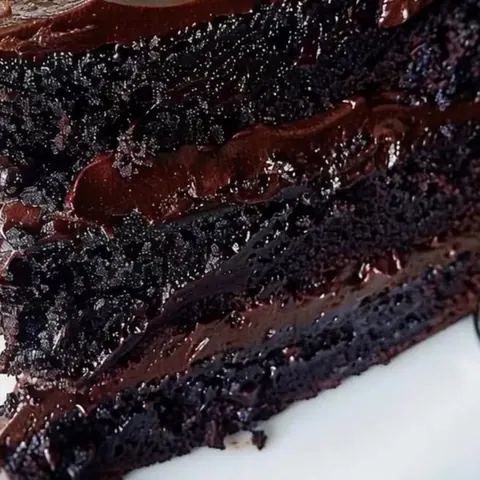
Desserts
Triple Chocolate Fudge Cake: Layered Chocolate Cake with Ganache and Fudge Frosting
Total time: 2 hrs 15 mins
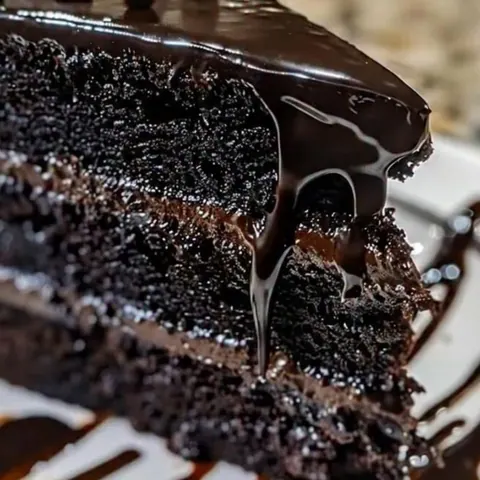
Desserts
Black Velvet Cake with Dark Chocolate Ganache: Moist, Rich, Ready in an Hour
Total time: 1 hr 35 mins
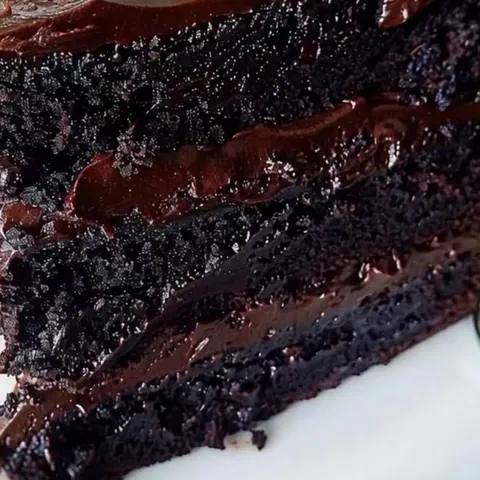
Desserts
Fudge Heaven Cake: Triple-Layer Chocolate Fudge Cake with Glossy Ganache
Total time: 4 hrs 20 mins