Cheesy Chicken Hash Brown Casserole for an Easy Weeknight Dinner
A bubbling, cheesy chicken hash brown casserole with shredded chicken, hash browns, peas and cheddar in a creamy sauce. Baked in one dish for an easy, comforting dinner the whole family will ask for again.
Published 13 min read
- Total time
- Prep
- Cook
- Rest
- Serves
- 6
- Makes one 9x13-inch casserole
- Cuisine
- American comfort food
- Calories
- 520
- per serving, estimated

On this page16 sections
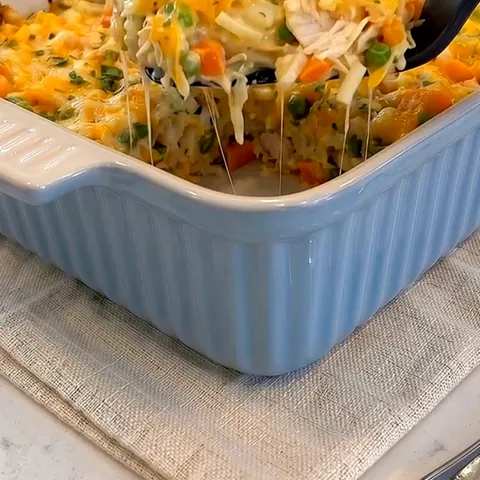
Pull a spoon through this casserole and the cheese stretches in one long, glossy pull. Shredded chicken, crisp-edged hash browns and sweet peas sit in a creamy cheddar sauce under a golden, bubbling top. It is the kind of dinner that disappears from the dish in minutes, and it comes together in one baking dish with very little fuss.
This cheesy chicken hash brown casserole is a generous one-dish dinner built from ingredients most home cooks already keep on hand. Shredded cooked chicken and frozen hash browns form the hearty base, while a smooth sauce of cream of chicken soup, sour cream and melted butter binds everything together. Frozen peas add colour and a gentle sweetness, and sharp cheddar gives the top its golden, stretchy crust. Start by heating the oven and preparing the potatoes, then mix the sauce and fold it through. The whole process takes about an hour, and the oven does most of the work once the dish is assembled. It works well for a family dinner, a potluck or a relaxed weekend meal when you want something warm and filling without standing at the stove for long.
The appeal
Why you’ll love it
This casserole works because the hash browns and chicken absorb the creamy sauce as they bake, so every spoonful is moist and well seasoned rather than dry. Frozen shredded potatoes are used because they hold their shape under the sauce and soften just enough to become tender. Stirring the sauce together before mixing it into the potatoes ensures even coverage, so no part of the dish tastes bland or pasty. Baking uncovered is the key step at the end. The heat turns the top layer of cheddar golden and creates a light crust over the creamy interior, while the edges of the sauce bubble and thicken. Resting the dish for ten minutes lets the sauce set so the portions hold their shape when served.
Keeping the sauce smooth and stirring the peas in with it means the vegetables are evenly distributed and warmed through in every bite. Adding the cheese in two stages, half in the sauce and half on top, gives both a melted interior and a crisp, golden surface. These small choices make the difference between a flat, uneven bake and a casserole with texture, colour and flavour in each serving.
What you need
Ingredients
Makes one 9x13-inch casserole.
Contains:
- Gluten
- Milk
- Soy
Tools
Equipment
- 9x13-inch baking dish
- Large mixing bowl
- Medium mixing bowl
- Spatula
- Oven mitts
Swaps
Substitutions
Instead ofCream of chicken soup
Use2 cups homemade cream sauce made from butter, flour and chicken broth
Instead ofSour cream
UseFull-fat Greek yogurt for a tangier, lighter-textured sauce
Instead ofSharp cheddar
UseMonterey Jack or a mix of cheddar and Colby
Good to know
Notes
Cream of chicken soup is the traditional base for this casserole and gives the sauce its familiar savoury taste. If you prefer to avoid canned soup, a homemade cream sauce made from butter, flour and chicken broth works well and gives you more control over the salt level. Sour cream adds tang and keeps the sauce creamy, and full-fat versions give the best texture. Use a 9x13-inch baking dish so the layer stays fairly thin and bakes evenly. A deeper dish will need a longer bake time, and the centre may stay cool. A large mixing bowl is useful for folding the potatoes and chicken together without spilling. Shred the cheddar yourself from a block if possible, since pre-shredded cheese often contains anti-caking agents that slow down melting.
Frozen peas can go straight into the sauce without thawing, which keeps them from becoming soft. Thawed frozen hash browns work better than fresh potatoes here because they cook through quickly and absorb the sauce evenly. For a lighter version, Greek yogurt can replace the sour cream, though the sauce will be slightly tangier. Monterey Jack or a blend of cheddar and Colby offers a milder, creamier melt if you prefer a less sharp flavour.
Prep
Before you start
Before you start, gather all the ingredients and set them out near the stove and counter. Thaw the frozen hash browns in the refrigerator or on the counter, then press out any excess moisture with a clean kitchen towel. Shred the cooked chicken with two forks, discarding any skin or bone. Melt the butter in a small bowl or microwave-safe cup and let it cool slightly. Shred the cheddar and set aside one cup for the top. Heat the oven to 350°F (175°C) and grease the baking dish so the potatoes do not stick. Keep the chicken refrigerated until you are ready to mix it, and do not leave raw or cooked poultry out for more than two hours.
Step by step
Method
Phase 1
Assemble the casserole base
Step 1: Prepare the chicken and potatoes
Heat the oven to 350°F (175°C) and grease a 9x13-inch baking dish. Shred the cooked chicken with two forks and place it in a large bowl. Add the thawed hash browns, season with kosher salt and black pepper, and stir until evenly mixed.
You’ll need: cooked chicken, shredded · frozen shredded hash brown potatoes, thawed · kosher salt and black pepper
Look for: The hash browns should separate easily and look dry, not clumped together.
Tip: Squeeze out any excess moisture from thawed potatoes with a clean towel.
Checkpoint
At the end of this phase, the chicken and hash browns should be evenly distributed in a bowl, with the potatoes separated and the seasoning spread throughout. The smell should be mild and savoury, and the texture should be loose rather than clumped. Before you pour the sauce, check that the peas are mixed in and that the surface looks evenly coloured. The sauce should be smooth and pale orange, with no lumps of soup or unmixed butter. If any potatoes are still stuck together, separate them by hand so the sauce can coat every piece. Confirm that the seasoning is balanced by tasting a small spoonful of the sauce before combining, because the cheese and soup add salt.
Phase 2
Spread and top the casserole
Step 2: Make the creamy cheese sauce
In a medium bowl, whisk the cream of chicken soup, sour cream, melted butter, onion powder and a pinch of pepper. Stir in the peas and 1 cup of the shredded cheddar until the sauce is smooth and evenly coloured.
You’ll need: cream of chicken soup · sour cream · unsalted butter, melted · onion powder · frozen peas · shredded sharp cheddar cheese · kosher salt and black pepper
Look for: The sauce should be smooth, thick and pale orange with cheese flecks throughout.
Tip: Keep the peas frozen until mixing so they stay bright green.
Step 3: Combine and layer the casserole
Pour the sauce over the chicken and potato mixture and fold gently until everything is coated. Spread the mixture evenly in the greased baking dish, pressing it down lightly with a spatula.
You’ll need: cooked chicken, shredded · frozen shredded hash brown potatoes, thawed · cream of chicken soup · frozen peas
Look for: Every potato shred and chicken piece should be coated with the creamy sauce.
Tip: Fold gently so the hash browns keep some structure and do not turn mushy.
Checkpoint
At the end of this phase, the mixture should fill the greased dish in an even layer, with the top smooth and lightly pressed. The sauce should coat the potatoes and chicken without pooling at the bottom. Look for a uniform surface with visible cheese flecks, and check that no dry patches of hash brown are exposed. Scatter the reserved cheddar over the top so it covers the surface without large gaps. The edges should look full and the cheese should look dry on top, not wet. If the layer looks too thick in one corner, spread it gently with a spatula. Confirm that the dish is level before it goes into the oven, so the bake is even across the entire casserole. A well-spread dish bakes more evenly and holds its shape when served.
Phase 3
Bake until golden and bubbling
Step 4: Top with cheese and bake
Scatter the remaining 1 cup of shredded cheddar over the top and drizzle with a little melted butter if desired. Bake uncovered for about 40 minutes, until the sauce bubbles around the edges and the cheese is golden. The chicken must reach 165°F (74°C) in the thickest part.
You’ll need: shredded sharp cheddar cheese · unsalted butter, melted · cooked chicken, shredded
Internal temperature 165°F (74°C)
Look for: The top should be golden and bubbling at the edges with a glossy, melted surface.
Tip: Check the centre with an instant-read thermometer before taking the dish out.
Step 5: Rest and serve
Let the casserole rest for about 10 minutes so the sauce thickens. Spoon out generous portions and serve hot while the cheese is still stretchy.
You’ll need: cooked chicken, shredded
Look for: The sauce should be thick enough to hold its shape when spooned.
Tip: Cover loosely with foil if the cheese browns too fast.
Checkpoint
At the end of this phase, the casserole should look golden on top, with the sauce bubbling at the edges and the cheese fully melted. The smell should be rich and cheesy, with no raw or floury notes. Insert an instant-read thermometer into the thickest part of the chicken and the centre should read 165°F (74°C). If the cheese is browning too quickly before the centre reaches temperature, cover loosely with foil and continue baking. Once the casserole reaches the target temperature and looks golden, remove it from the oven and let it rest for about ten minutes. During the rest, the sauce thickens and the portions hold their shape. Serve while the cheese is still stretchy and the sauce still glossy.
Doneness
How to tell it’s done
The casserole is done when the cheese on top is golden brown and the sauce is bubbling steadily around the edges of the dish. The centre should look set and moist rather than loose, and a spoon pulled through should leave a clean channel that slowly fills back in. For food safety, the chicken must reach an internal temperature of 165°F (74°C), measured with an instant-read thermometer in the thickest part of the casserole. If the centre is below that temperature, return the dish to the oven for a few more minutes and check again. Let the casserole rest for about ten minutes before serving, which allows the sauce to thicken and makes each portion easier to lift out cleanly.
Avoid these
Common mistakes
The most common mistake is using hash browns that are still frozen or very wet. Excess moisture thins the sauce and makes the casserole soggy instead of creamy. Always thaw and pat the potatoes dry before mixing. Another frequent error is overmixing once the sauce is added, which breaks up the potatoes and turns the texture pasty. Fold gently and stop as soon as everything is coated. Skipping the seasoning test can leave the dish bland or overly salty, since cream of chicken soup varies in salt content. Taste the sauce before adding it. Finally, pulling the casserole out too early means the centre may not be fully hot and the sauce stays runny. Use a thermometer, and let the dish rest so the sauce can set.
Cook safely
Food safety
Safe internal temperatures
Cook to at least these temperatures, measured with an instant-read thermometer in the thickest part.
| Food | Minimum internal temperature |
|---|---|
| Poultry | 165°F (74°C) |
Better results
Tips
Tip 1
For the best texture, let the casserole rest for ten minutes before cutting. The sauce thickens as it cools slightly, and the portions will hold their shape on the plate. Serving straight from the oven without resting often leads to a loose, spreading pile. If you want extra crisp edges, spread a thin layer of the mixture against the sides of the dish, or bake in a shallow dish so more surface is exposed to the heat. A quick broil for one or two minutes at the end can deepen the colour of the cheese, but watch closely so the top does not burn.
Tip 2
Warm plates in the oven or under hot water before serving to keep the casserole hot longer at the table. Serve with a simple green salad or steamed green beans to balance the richness of the sauce. A crisp, acidic side such as a vinaigrette-dressed salad cuts through the cheese and makes the meal feel lighter on the palate. When cutting leftovers, use a sharp spatula and wipe it clean between portions so the cheese layer stays neat. Reheating individual portions in the microwave works well, and covering them loosely with a damp paper towel keeps the sauce moist.
Make it yours
Variations
Extra cheese top
Add an extra half cup of shredded cheddar on top before baking for a thicker, more golden crust. The additional cheese creates more stretch and a deeper flavour in each serving.
Pea-free version
Leave out the peas if you prefer a simpler casserole. The chicken, potatoes and cheese still create a hearty, creamy dish with plenty of flavour and texture.
Onion and garlic
Stir a small finely diced onion and one minced garlic clove into the sauce before mixing. Sauté them in the butter first for a deeper savoury base throughout the dish.
Spicy cheddar
Add a pinch of cayenne or a few drops of hot sauce to the sauce and use pepper jack for part of the cheese. The dish gains a gentle heat that complements the creamy, mild base.
On the table
Serving suggestions
Serve the casserole hot, straight from the baking dish, with the cheese still melting and the sauce still glossy. A large spoon makes it easy to portion out generous scoops. Offer it with a crisp green salad dressed in a light vinaigrette to balance the richness, or pair it with steamed green beans or roasted broccoli. Warm dinner rolls or crusty bread are good for soaking up the creamy sauce. For a relaxed dinner or a potluck, keep the dish warm on a trivet and invite guests to help themselves. Set out extra cheddar or a sprinkle of black pepper on the table so people can adjust each serving to their taste. Cold leftovers are also enjoyable the next day, spooned onto a plate and reheated gently until warmed through and creamy again.
Because the casserole is rich and filling, a simple accompaniment works best. Lightly dressed greens, sliced tomatoes or a crunchy coleslaw add freshness and contrast to the warm, cheesy base. For a drink, a chilled lager, iced tea or sparkling water pairs nicely without overpowering the dish. Keep the table setting relaxed and let the casserole take centre stage, since its appeal is in the bubbling cheese and comforting texture that comes straight from the oven.
Leftovers
Storage & make-ahead
- Fridge
- Store leftovers in an airtight container in the refrigerator for three to four days after cooling for no more than two hours.
- Freezer
- Cool the casserole completely, then wrap portions tightly in foil or freezer-safe containers and freeze for up to two months.
- Reheat
- Reheat portions covered in a 350°F (175°C) oven or in the microwave until hot throughout, stirring or covering as needed to keep the sauce creamy.
Leftover casserole should be cooled for no more than two hours at room temperature before it goes into the refrigerator. Transfer it to an airtight container or cover the baking dish tightly with foil or plastic wrap. The casserole keeps well for three to four days in the refrigerator, and the flavour often improves overnight as the sauce settles into the potatoes. Portion leftovers into smaller containers so they cool faster and reheat more evenly. Label the container with the date so you can track freshness. Do not leave the casserole sitting out on the counter during a long meal, and return any leftovers to the refrigerator promptly after serving. Keep the dish sealed to prevent it from drying out or absorbing other odours in the refrigerator.
Make ahead
You can assemble this casserole up to a day in advance. Mix the chicken, thawed hash browns, sauce and peas, spread the mixture in the greased dish, cover tightly and refrigerate. Add the reserved cheddar and melted butter just before baking, since cheese on top can absorb moisture and become soggy overnight. When you are ready to bake, take the dish out of the refrigerator, let it sit for about fifteen minutes while the oven heats, then bake as directed. Because the dish starts cold, add a few extra minutes to the bake time, and check that the centre reaches 165°F (74°C) before serving. This approach spreads out the work on a busy day without compromising the texture or taste.
Questions
Frequently asked questions
Can this casserole be made ahead of time?
Yes. Mix the chicken, potatoes, sauce and peas, spread the mixture in the dish, cover tightly and refrigerate for up to a day. Add the cheddar topping just before baking so it does not absorb moisture overnight. Allow a few extra minutes in the oven for the cold dish, and check that the centre reaches 165°F (74°C) before serving. This method saves time on a busy day without sacrificing texture.
Why is your casserole watery?
Excess moisture usually comes from hash browns that were not thawed fully or patted dry. Thawed potatoes can release liquid into the sauce and make it thin. Squeeze the potatoes in a clean towel before mixing, and let the casserole rest for ten minutes after baking so the sauce can thicken. Using full-fat sour cream also helps keep the sauce creamy rather than loose.
Can you use rotisserie chicken?
Rotisserie chicken is a convenient choice for this casserole. Remove the skin and bones, then shred the meat by hand. Make sure the chicken is already fully cooked, since the casserole bakes only until the cheese melts and the centre reaches 165°F (74°C). Pick out any dark bits or seasoning that might make the dish too salty, and taste the sauce before adding the chicken.
What is the best cheese for a cheesy chicken hash brown casserole?
Sharp cheddar gives the most recognisable flavour and a good melt, which is why it is used here. Monterey Jack melts smoothly and tastes milder, while a blend of cheddar and Colby creates a creamy, balanced topping. Shredding the cheese from a block gives a better melt than pre-shredded packages, which often contain anti-caking agents that slow down melting.
How do you keep the peas bright green?
Add the frozen peas to the sauce straight from the freezer rather than thawing them first. Because they go into the oven while still cold, they warm gently and keep their colour. Avoid overcooking the casserole, since long baking can dull the peas and soften them too much. A quick check at the end of the bake is enough to confirm the peas are hot throughout.
Everything in one place: the recipe card below gathers the ingredients, steps and estimated nutrition, ready to print.
Recipe card
Cheesy Chicken Hash Brown Casserole for an Easy Weeknight Dinner
A bubbling, cheesy chicken hash brown casserole with shredded chicken, hash browns, peas and cheddar in a creamy sauce. Baked in one dish for an easy, comforting dinner the whole family will ask for again.
- Prep
- Cook
- Rest
- Total
- Servings
- one 9x13-inch casserole
Ingredients
- 2 cups cooked chicken, shredded
- 30 oz frozen shredded hash brown potatoes, thawed
- 1 cup frozen peas
- 2 cups cream of chicken soup
- 1 cup sour cream
- 4 tbsp unsalted butter, melted
- 2 cups shredded sharp cheddar cheese, divided
- 1/2 tsp onion powder
- kosher salt and black pepper to taste
Instructions
Prepare the chicken and potatoes. Heat the oven to 350°F (175°C) and grease a 9x13-inch baking dish. Shred the cooked chicken with two forks and place it in a large bowl. Add the thawed hash browns, season with kosher salt and black pepper, and stir until evenly mixed.
Make the creamy cheese sauce. In a medium bowl, whisk the cream of chicken soup, sour cream, melted butter, onion powder and a pinch of pepper. Stir in the peas and 1 cup of the shredded cheddar until the sauce is smooth and evenly coloured.
Combine and layer the casserole. Pour the sauce over the chicken and potato mixture and fold gently until everything is coated. Spread the mixture evenly in the greased baking dish, pressing it down lightly with a spatula.
Top with cheese and bake. Scatter the remaining 1 cup of shredded cheddar over the top and drizzle with a little melted butter if desired. Bake uncovered for about 40 minutes, until the sauce bubbles around the edges and the cheese is golden. The chicken must reach 165°F (74°C) in the thickest part.
Rest and serve. Let the casserole rest for about 10 minutes so the sauce thickens. Spoon out generous portions and serve hot while the cheese is still stretchy.
Allergens: Gluten, Milk, Soy
Nutrition (estimated, per serving)
- Calories
- 520 kcal
- Protein
- 28 g
- Carbs
- 38 g
- Fat
- 27 g
- Fiber
- 3 g
- Sugar
- 4 g
- Sodium
- 980 mg
Estimates only: values vary with brands, substitutions and portion sizes.
Recipe by EasyCooks Kitchen · easycooksrecipes.com
Share this recipe
Send it to someone who’d love it, or save it for later.
Spotted a mistake in this recipe? Let us know.
Keep cooking


