Oven-Baked BBQ Meatballs with Sticky Glaze
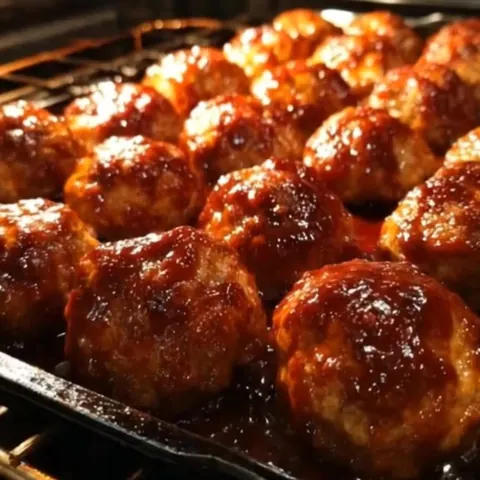
Oven-baked BBQ meatballs come out tender and juicy inside, with a glossy, sticky barbecue glaze on the outside. Bake them on one tray and serve them hot straight from the oven.
Published 12 min read
- Total time
- Prep
- Cook
- Rest
- Serves
- 6
- Makes About 24 meatballs
- Cuisine
- American
- Calories
- 390
- per serving, estimated

On this page16 sections
Sticky glaze, a tender center, and a steamy bite that tastes like a backyard barbecue. These oven-baked BBQ meatballs bake on one tray, so there is no stovetop to watch and no splattered pan. Set out a plate and a fork, and let the glaze do the rest. They are ideal for game nights, potlucks and any time a crowd gathers around the table.
Oven-baked BBQ meatballs are one of the simplest ways to feed a group with a dish that looks impressive and needs very little attention. The meatballs are a soft, seasoned mix of ground beef, breadcrumbs, egg, onion and garlic, rolled into even balls and baked until browned and cooked through. Then they are coated in a warm barbecue glaze that sets into a glossy, sticky shell. The result is juicy inside and sticky outside, with a balance of smoky sweetness and savory beef. The method is short, the cleanup is light, and the meatballs hold well on a plate for serving. Everything you need fits on one rimmed baking sheet, so you can focus on setting the table while the oven does the work.
The appeal
Why you’ll love it
The oven gives the meatballs even heat from every side, which browns the outside without drying out the center. Baking on a lined tray also means you do not need to turn each meatball by hand, as you would in a skillet. The surface browns and firms up while the inside stays moist, which is exactly the texture you want under a glaze. Because the heat is steady, the meatballs cook through at a predictable pace, and you can check one with a thermometer before glazing.
Glazing after baking is what makes the sauce stick. If the sauce went on before the meatballs cooked, the sugar in the barbecue sauce would darken and burn long before the centers were done. By warming the glaze separately and brushing it on at the end, you get a clean, glossy coating. A short return to the oven sets the glaze into a sticky shine that clings to every meatball, so each bite arrives with the same sweet, smoky flavor.
What you need
Ingredients
Makes About 24 meatballs.
Meatballs
Glaze
Contains:
- Gluten
- Eggs
Tools
Equipment
- Rimmed baking sheet
- Parchment paper
- Large mixing bowl
- Small saucepan
- Cookie scoop or tablespoon
- Tongs
Swaps
Substitutions
Instead ofGround beef
UseGround pork or a half-and-half mix of ground beef and ground pork for a softer texture
Instead ofPlain breadcrumbs
UsePanko breadcrumbs, which keep the meatballs a little lighter
Instead ofBarbecue sauce
UseA smoky store-bought barbecue sauce with a thicker body, which clings better to the meatballs
Good to know
Notes
Ground beef at 80 percent lean gives the best balance of flavor and moisture for these meatballs. Leaner beef can dry out during baking, while fattier beef may leave a greasy coating on the tray. If you prefer a softer, more tender texture, you can use a half-and-half mix of ground beef and ground pork. Grate the onion finely so it blends into the mixture and does not leave chunks that fall apart when rolled.
You need only a rimmed baking sheet and parchment paper, which keeps the glaze from sticking and makes cleanup quick. A large bowl is needed to mix the meatball base, and a small saucepan warms the glaze. A cookie scoop or tablespoon helps you portion the meat evenly, so the meatballs cook at the same rate. Choose a barbecue sauce with a thicker body if you want it to cling well to the meatballs. Thin sauces tend to run off onto the tray.
Prep
Before you start
Gather everything before you start, because the meatballs go from mixing to the oven quickly. Set the oven rack to the middle position and heat the oven to 400°F (200°C). Line a rimmed baking sheet with parchment paper. Grate the onion finely on a box grater so it melts into the mixture rather than leaving coarse pieces. Mince the garlic and measure the breadcrumbs, kosher salt and black pepper into small bowls. Lightly beat the egg in a cup. Measure the barbecue sauce and brown sugar, and have a small saucepan ready. Keep a plate and a fork nearby for serving. Keep the raw ground beef in the refrigerator until you are ready to shape the meatballs, and do not leave the mixture at room temperature for more than 30 minutes.
Step by step
Method
Phase 1
Mix and shape the meatballs
Step 1: Preheat the oven and line the tray
Heat the oven to 400°F (200°C). Line a rimmed baking sheet with parchment paper so the glaze does not stick. Set the tray aside within easy reach of your mixing bowl.
Look for: The oven light is on and the parchment lies flat across the whole tray.
Tip: Use a rimmed sheet so the sticky glaze does not drip onto the oven floor.
Step 2: Combine the meatball mixture
In a large bowl, add the breadcrumbs, beaten egg, grated onion, minced garlic, kosher salt and black pepper. Stir until the crumbs soak up the liquid, then add the ground beef and mix gently with your hands until just combined.
You’ll need: plain breadcrumbs · large egg · finely grated onion · garlic · kosher salt · black pepper · ground beef
Look for: The mixture holds together in your hand and no dry crumbs remain.
Tip: Mix gently. Overworking the beef makes the meatballs dense and tough.
Checkpoint
The meatball mixture should look evenly combined, with the breadcrumbs fully moistened and the seasoning spread throughout. When you press a small piece between your fingers, it should hold together without feeling wet or crumbly. Roll the mixture into balls of similar size, about 1 1/2 inches wide, so they bake at the same pace. Each ball should look smooth, with no cracks or dry patches on the surface. Before moving on, check that the tray has even space between the meatballs so the heat reaches all sides. If a meatball falls apart, press in a little more breadcrumb and roll again. Once the balls are shaped and spaced, slide the tray into the oven without delay.
Phase 2
Bake and glaze the meatballs
Step 3: Roll the meatballs
Scoop the mixture into portions about 1 1/2 inches wide and roll each one between your palms into a smooth ball. Place the meatballs on the lined tray, leaving a little space between them so they bake rather than steam.
You’ll need: ground beef
Look for: Each ball is smooth and evenly sized, with no cracks on the surface.
Tip: Wet your hands lightly so the meat does not stick to your palms.
Step 4: Bake the meatballs
Bake the meatballs on the middle rack for about 18 to 20 minutes, until browned on the outside and cooked through. Check one meatball in the thickest part with an instant-read thermometer before glazing.
You’ll need: ground beef
Internal temperature 160°F (71°C)
Look for: The outside is browned and firm, and no pink shows when you cut into the largest one.
Tip: Bake on the middle rack so the bottoms brown evenly.
Step 5: Warm the barbecue glaze
While the meatballs bake, combine the barbecue sauce and brown sugar in a small saucepan. Warm over medium-low heat, stirring, for about 3 minutes until the sugar dissolves and the sauce is smooth.
You’ll need: barbecue sauce · brown sugar
Look for: The sauce looks smooth and glossy, with no grains of sugar visible.
Tip: Keep the heat low so the sugar does not scorch on the bottom of the pan.
Checkpoint
After about 18 to 20 minutes, the meatballs should be browned on the outside and firm when you press them gently. Cut the largest meatball open in the thickest part to confirm there is no pink inside, and check that the center reaches 160°F (71°C) on an instant-read thermometer. While the meatballs bake, the barbecue sauce should warm into a smooth, glossy liquid that coats a spoon evenly. When you brush it over the baked meatballs, the glaze should cling without pooling. Return the tray to the oven for a few minutes until the glaze turns sticky and shiny. Pull the tray out when the glaze has set and the meatballs hold their shape when lifted.
Phase 3
Rest and serve the meatballs
Step 6: Glaze and finish the meatballs
Brush or spoon the warm glaze over the baked meatballs, coating each one generously. Return the tray to the oven for 3 to 4 minutes so the glaze sets into a sticky shine.
You’ll need: barbecue sauce · brown sugar
Look for: The glaze looks glossy and sticky and clings to each meatball.
Tip: Glaze only once the meatballs are cooked, so the sugar does not burn.
Step 7: Rest and serve
Let the glazed meatballs rest on the tray for about 3 minutes. Transfer them to a plain white plate, then serve warm with a fork so each guest can cut into a juicy, steamy bite.
Look for: The glaze is set and the meatballs hold their shape when lifted.
Tip: Resting lets the juices settle, so the inside stays moist.
Checkpoint
After a short rest on the tray, the meatballs should feel firm, glossy and sticky, with the glaze fully set on the surface. Lift one meatball with tongs: it should hold its shape and show a tender, moist center when you cut it open. The glaze should look smooth and clingy rather than thin or running. Transfer the meatballs to a plain white plate and check that they are still warm to the touch. If the glaze looks too thin, return the tray to the oven for one more minute. Once the meatballs look sticky and steaming, they are ready to serve with a fork.
Doneness
How to tell it’s done
Bake until the meatballs are browned on the outside and cooked all the way through. The safe internal temperature for ground beef is 160°F (71°C), so check the thickest meatball with an instant-read thermometer before glazing. Insert the probe from the side, into the center, and confirm the reading. A cooked meatball should look firm and evenly browned, with no pink in the middle when you cut it open. The juices should run clear rather than red. Once glazed, the meatballs should look glossy and sticky, and the glaze should hold its shine after a short rest on the tray. If a meatball is still pink in the center, return the tray to the oven and check again after two minutes. Taste one meatball from the middle of the batch to confirm the seasoning before serving the rest.
Avoid these
Common mistakes
The most common mistake is glazing too early. If the barbecue sauce goes on before the meatballs have baked through, the sugar darkens quickly and can turn bitter before the centers are cooked. Brush the glaze on only after the thermometer reads 160°F (71°C) in the thickest meatball. Another frequent problem is overmixing the beef. Working the meat too long with your hands squeezes out moisture and produces dense, rubbery meatballs, so mix only until the ingredients are combined. Packing the balls too tightly on the tray also causes trouble, because they steam instead of browning. Leave a little space between each one. Finally, do not skip the parchment paper, since the sticky glaze can bond to bare metal and make cleanup much harder than it needs to be.
Cook safely
Food safety
Safe internal temperatures
Cook to at least these temperatures, measured with an instant-read thermometer in the thickest part.
| Food | Minimum internal temperature |
|---|---|
| Ground meat | 160°F (71°C) |
Better results
Tips
Tip 1
Use a small cookie scoop to portion the meat, so every meatball is the same size and finishes baking together. Uneven balls make it hard to judge doneness, and a thermometer reading from one large meatball may not tell you about the smaller ones. Keeping the portions consistent makes the whole batch easier to manage and serve.
Tip 2
Warm the barbecue sauce gently and whisk it until smooth before brushing it on. A glaze that is too hot can make the meatballs soggy, while a cold glaze stays thick and patchy. Keep the saucepan on low heat, and add a spoonful of water if the glaze becomes too thick to spread evenly over the meatballs.
Make it yours
Variations
Honey Garlic Glaze
Swap the barbecue sauce for a mixture of honey and soy sauce with extra minced garlic. Warm the glaze in the saucepan until smooth, then brush it on the baked meatballs for a glossy, savory-sweet finish.
Spicy Chipotle Version
Stir a teaspoon of chipotle chili powder into the glaze for a smoky, warm kick. Keep the other steps the same, and serve the meatballs with a cool dip on the side.
Pork and Beef Mix
Use half ground pork and half ground beef in the meatball mixture for a softer, more tender texture. Follow the same baking and glazing steps, and check the temperature at 160°F (71°C).
Small Party Bites
Roll the meatballs slightly smaller, about 1 inch wide, and reduce the baking time by a few minutes. Serve them on toothpicks for an easy party appetizer that is simple to pick up.
On the table
Serving suggestions
Serve the meatballs warm on a platter with toothpicks or small forks so guests can pick them up easily. They work well as an appetizer alongside a bowl of extra barbecue sauce for dipping, and a few cold drinks on the side help balance the sweet glaze. Keep the platter in a warm place if you are serving for a long time, and refresh the glaze with a brush of warm sauce if it starts to dry.
For a more filling spread, pile the meatballs onto a bowl of mashed potatoes, rice or a crisp green salad. The glaze also pairs well with a simple slaw, which adds a cool, crunchy contrast. Offer plates and napkins, since the sticky glaze is best enjoyed with a fork and a little patience.
Leftovers
Storage & make-ahead
- Fridge
- Store cooled meatballs in an airtight container in the refrigerator for up to 3 days, and eat them cold or reheated.
- Freezer
- Freeze baked, glazed meatballs in a single layer on a tray, then move them to a sealed freezer bag for up to 2 months.
- Reheat
- Warm the meatballs in a covered dish in a 350°F (175°C) oven until hot throughout, about 10 to 12 minutes, then brush with a little extra sauce before serving.
Leftover meatballs keep well when they are cooled properly. Let them cool on the tray for no more than 2 hours at room temperature, then transfer them to an airtight container. Store the container in the refrigerator, where the meatballs keep for up to 3 days. The glaze will soften slightly during storage, so the surface may look less glossy than when freshly baked. Keep the meatballs covered so they do not dry out or pick up other odors in the refrigerator. Label the container with the date so you know how long it has been stored. Serve them cold or reheated, depending on how you plan to use them.
Make ahead
You can shape the meatballs a day ahead and keep them covered in the refrigerator on a lined tray. Cover the tray tightly with plastic wrap so the surface does not dry out. When you are ready to cook, bake them straight from the refrigerator, adding a minute or two to the baking time if needed. You can also warm the barbecue glaze ahead of time and keep it covered in the refrigerator, then reheat it gently before brushing it on. Baked meatballs without glaze keep for up to 2 days in the refrigerator, and you can glaze them just before serving so the sauce stays sticky and fresh.
Questions
Frequently asked questions
Can the meatballs be baked without the glaze first?
Yes. Bake the meatballs plain until they reach 160°F (71°C) in the thickest part, then glaze them and return them to the oven for a few minutes. Glazing last keeps the sugar in the barbecue sauce from burning before the centers are cooked. This order gives you a clean, sticky shine on the outside and a juicy inside, and it also makes the glaze easier to control if you prefer a lighter coating.
Why are your meatballs dry or dense?
Dense meatballs usually come from overmixing the beef or from using very lean meat. Mix the ingredients only until they come together, and use ground beef around 80 percent lean for the best moisture. Dry meatballs can also result from overbaking, so check the center with a thermometer and remove them as soon as they reach 160°F (71°C). Resting them briefly after glazing helps the juices settle.
Can you use frozen ground beef for these meatballs?
Frozen ground beef should be thawed completely in the refrigerator before you mix and shape it. Thawing in the refrigerator keeps the meat at a safe temperature and gives you a more even texture. Once thawed, use it within a day, and keep the mixture cold until it goes into the oven. Never thaw the meat on the counter, since raw ground beef should not sit at room temperature for long.
Why does the barbecue glaze look thin or run off the meatballs?
A thin glaze usually means the sauce was too hot or too watery when you brushed it on. Warm the barbecue sauce gently with brown sugar over low heat until it is smooth, then spoon it over the meatballs while it is still warm. If it still runs off, return the tray to the oven for a few minutes so the glaze sets. Using a thicker, smoky barbecue sauce also helps it cling to the surface.
How do you keep the meatballs from sticking to the tray?
Line the baking sheet with parchment paper before you place the meatballs on it. The paper stops the sticky glaze and the meat juices from bonding to the metal, which makes the meatballs easy to lift with tongs. Leave a little space between each meatball so they brown on all sides rather than steaming. If you do not have parchment, a lightly greased sheet also works, though cleanup may take longer.
Everything in one place: the recipe card below gathers the ingredients, steps and estimated nutrition, ready to print.
Recipe card
Oven-Baked BBQ Meatballs with Sticky Glaze
Oven-baked BBQ meatballs come out tender and juicy inside, with a glossy, sticky barbecue glaze on the outside. Bake them on one tray and serve them hot straight from the oven.
- Prep
- Cook
- Rest
- Total
- Servings
- About 24 meatballs
Ingredients
Meatballs
- 1 lb ground beef (80% lean)
- 1/2 cup plain breadcrumbs
- 1 large egg, lightly beaten
- 1/4 cup finely grated onion
- 2 cloves garlic, minced
- 1 tsp kosher salt
- 1/2 tsp ground black pepper
Glaze
- 1 cup barbecue sauce
- 2 tbsp packed brown sugar
Instructions
Preheat the oven and line the tray. Heat the oven to 400°F (200°C). Line a rimmed baking sheet with parchment paper so the glaze does not stick. Set the tray aside within easy reach of your mixing bowl.
Combine the meatball mixture. In a large bowl, add the breadcrumbs, beaten egg, grated onion, minced garlic, kosher salt and black pepper. Stir until the crumbs soak up the liquid, then add the ground beef and mix gently with your hands until just combined.
Roll the meatballs. Scoop the mixture into portions about 1 1/2 inches wide and roll each one between your palms into a smooth ball. Place the meatballs on the lined tray, leaving a little space between them so they bake rather than steam.
Bake the meatballs. Bake the meatballs on the middle rack for about 18 to 20 minutes, until browned on the outside and cooked through. Check one meatball in the thickest part with an instant-read thermometer before glazing.
Warm the barbecue glaze. While the meatballs bake, combine the barbecue sauce and brown sugar in a small saucepan. Warm over medium-low heat, stirring, for about 3 minutes until the sugar dissolves and the sauce is smooth.
Glaze and finish the meatballs. Brush or spoon the warm glaze over the baked meatballs, coating each one generously. Return the tray to the oven for 3 to 4 minutes so the glaze sets into a sticky shine.
Rest and serve. Let the glazed meatballs rest on the tray for about 3 minutes. Transfer them to a plain white plate, then serve warm with a fork so each guest can cut into a juicy, steamy bite.
Allergens: Gluten, Eggs
Nutrition (estimated, per serving)
- Calories
- 390 kcal
- Protein
- 22 g
- Carbs
- 30 g
- Fat
- 19 g
- Fiber
- 1 g
- Sugar
- 16 g
- Sodium
- 820 mg
Estimates only: values vary with brands, substitutions and portion sizes.
Recipe by EasyCooks Kitchen · easycooksrecipes.com
Share this recipe
Send it to someone who’d love it, or save it for later.
Spotted a mistake in this recipe? Let us know.
Keep cooking
More appetizer recipes
Appetizers
Slow Cooker Chipotle Raspberry Jam Meatballs for Easy Entertaining
Total time: 3 hrs 10 mins