Cheesy Broccoli Stuffed Chicken Breasts for an Easy Weeknight Dinner
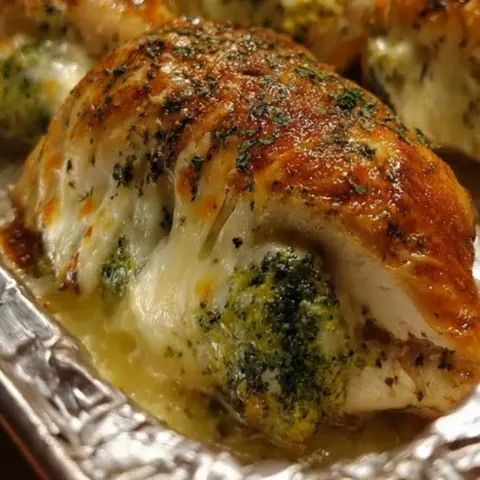
Golden chicken breasts split open to reveal melted cheese and tender broccoli inside. A simple pocket filling, a hot oven and a short bake make this an easy weeknight dinner with a dramatic cut.
Published 11 min read
- Total time
- Prep
- Cook
- Rest
- Serves
- 4
- Makes 4 stuffed chicken breasts
- Cuisine
- Italian-American
- Calories
- 420
- per serving, estimated

On this page16 sections
Cut into a golden chicken breast and hot cheese stretches apart around tender broccoli. This dinner looks dramatic on the plate, yet it is built from a short list of pantry staples and one simple oven bake. Plan on about half an hour of hands-on time.
Stuffed chicken breasts are one of the most rewarding dinners you can put together on a weeknight. A pocket cut into each breast holds a creamy mixture of broccoli, mozzarella and cream cheese, and the oven turns that filling into a molten center wrapped in juicy meat. The whole pan goes to the table, so there is very little to wash afterward. Read through the steps once before you start, because the filling needs to be ready before you stuff the breasts, and the chicken should stay chilled until it goes into the oven.
The appeal
Why you’ll love it
The broccoli is chopped small and cooked briefly before it goes into the filling. That step softens it enough to blend smoothly with the cheese, and it removes excess water that would otherwise make the filling soupy and cause it to leak. Draining and patting it dry is what keeps the cheese thick and clingy inside the pocket.
Searing the stuffed breasts before baking builds a golden crust that seals the pocket and locks in moisture. The oven then finishes the meat gently at 400°F (200°C), so the outside does not dry out before the center reaches a safe temperature. The softened cream cheese helps the mozzarella melt into a smooth, stretchy layer instead of separating into oil.
What you need
Ingredients
Makes 4 stuffed chicken breasts.
Filling
Topping
Contains:
- Milk
Tools
Equipment
- 9x13-inch foil baking pan
- Sharp paring knife
- Cutting board
- Mixing bowl
- Microwave-safe bowl or small saucepan
- Instant-read thermometer
Swaps
Substitutions
Instead ofMozzarella cheese
UseMonterey Jack or sharp cheddar, shredded, for a stronger flavor
Instead ofFresh broccoli
UseThawed frozen broccoli florets, patted very dry before chopping
Instead ofDried Italian herbs
UseFresh chopped parsley or basil, added after baking
Good to know
Notes
Boneless skinless chicken breasts give you a flat, even surface for the pocket and cook through at the same rate. Choose breasts of similar size so they finish together in the pan. If your breasts are very thick, butterfly them slightly instead of cutting a deep pocket so they do not split open at the bottom.
You need a sharp paring knife, a cutting board, a microwave-safe bowl and a 9x13-inch foil pan. A large oven-safe skillet is helpful for searing, but any heavy pan works. Mozzarella gives the mildest, stretchiest melt. Monterey Jack or sharp cheddar makes a more flavorful filling, and fresh broccoli can be replaced with thawed frozen florets as long as they are patted very dry.
Prep
Before you start
Gather everything before you turn on the oven. Set the oven rack to the middle position and heat the oven to 400°F (200°C) once the breasts are stuffed and ready. Line the 9x13-inch pan with foil and keep it nearby. Let the cream cheese soften at room temperature for about 20 minutes so it blends smoothly into the filling. Keep the raw chicken refrigerated until you are ready to cut it, and do not leave it out for more than 30 minutes. Set out the knife, the cutting board, the paper towels and a separate plate for the raw chicken so the workspace stays organized. Chop the broccoli and grate or measure the cheese before you start cutting the breasts.
Step by step
Method
Phase 1
Filling Ready and Chicken Pocketed
Step 1: Prepare the broccoli cheese filling
Chop the broccoli florets finely. Place them in a microwave-safe bowl with a splash of water, cover and microwave for 2 minutes until just tender, then drain and pat dry. Mix the broccoli with the mozzarella, softened cream cheese, garlic powder and a pinch of salt until spreadable.
You’ll need: broccoli florets, finely chopped · shredded mozzarella cheese · cream cheese, softened · garlic powder · kosher salt
Look for: The filling should look thick, green and evenly speckled with cheese.
Tip: Drain the broccoli well so the filling does not turn watery in the oven.
Step 2: Cut a pocket in each breast
Place a chicken breast on the cutting board and hold it flat with one hand. Using a sharp paring knife, cut a deep horizontal slit along the side, stopping about half an inch from the edges, to form a pocket. Repeat with the remaining breasts and pat them dry with paper towels.
You’ll need: boneless skinless chicken breasts
Look for: Each breast should have a clean pocket that opens without tearing through.
Tip: Keep the knife tip inside the meat and stop short of the far edge.
Checkpoint
The broccoli should be tender but still bright green, drained and cooled before mixing. The filling should look thick and spreadable with cheese evenly distributed throughout. Each chicken breast should have a clean horizontal pocket that opens without tearing through the far side. Pat the breasts dry with paper towels so the seasoning sticks and the sear develops well. Wipe the knife and cutting board after handling the raw chicken, and wash your hands thoroughly before touching the filling or any other food. Nothing should look watery, and the pockets should be wide enough to hold the filling without forcing it out.
Phase 2
Stuffed, Seasoned and Seared
Step 3: Stuff and season the chicken
Spoon a generous portion of the broccoli cheese filling into each pocket and press the edges closed with your fingers. Rub the outside of each breast with olive oil, then season with the remaining salt, the black pepper and the garlic powder. Keep the stuffed breasts chilled until ready to bake.
You’ll need: boneless skinless chicken breasts · broccoli florets, finely chopped · shredded mozzarella cheese · cream cheese, softened · olive oil · kosher salt · ground black pepper · garlic powder
Look for: The breasts should feel full and plump, with the filling sealed inside.
Tip: Do not overfill the pockets, or the cheese will leak out during baking.
Step 4: Sear the breasts for a golden crust
Heat a large oven-safe skillet over medium-high heat. Add the stuffed chicken breasts and sear for 3 to 4 minutes per side until deep golden. Transfer them to a foil-lined 9x13-inch pan, leaving space between the breasts.
You’ll need: boneless skinless chicken breasts · olive oil
Look for: The surface should be golden brown and release easily from the pan.
Tip: Let the crust form before turning so the breasts keep their shape.
Checkpoint
Each stuffed breast should feel plump and firm, with the filling sealed inside the pocket. The seasoning should coat the outside evenly with a light sheen of olive oil. After searing, the surface should be a deep golden brown and the breast should release easily from the pan without sticking. If a breast still clings to the pan, wait another 30 seconds before turning it. The seared breasts should sit in the foil pan with space between them so the heat reaches every side. Keep the pan away from the edge of the counter and avoid splashing hot oil while you work.
Phase 3
Baked, Melted and Ready to Slice
Step 5: Bake until the chicken is cooked through
Heat the oven to 400°F (200°C). Bake the chicken for 20 to 25 minutes, until the cheese is bubbling and the chicken reaches 165°F (74°C) at the thickest point of the breast. Sprinkle the dried herbs over the top during the last 2 minutes.
You’ll need: boneless skinless chicken breasts · dried Italian herbs
Internal temperature 165°F (74°C)
Look for: Cheese should be melted, bubbling and steaming at the edges.
Tip: Check the thickest part of the breast, away from the filling.
Step 6: Rest, slice and serve
Let the chicken rest in the pan for 5 minutes so the juices settle. Slice each breast crosswise into thick pieces to show the melted cheese and broccoli inside, then serve warm from the pan.
You’ll need: boneless skinless chicken breasts · dried Italian herbs
Look for: Cut surfaces should look moist and the cheese should hold together.
Tip: Resting keeps the filling from running out when you slice.
Checkpoint
The cheese should be fully melted, bubbling and steaming at the edges, and the surface of the chicken should look golden and slightly crisp. Use an instant-read thermometer in the thickest part of the breast, away from the filling, and confirm it reads 165°F (74°C) before taking the pan out. Let the chicken rest for 5 minutes so the juices settle and the filling holds together when cut. When you slice, the cheese should stretch slightly and the broccoli should be visible inside. If any cheese escapes, press it back gently with a spoon rather than returning the pan to the oven.
Doneness
How to tell it’s done
The chicken is done when the thickest part of each breast reaches 165°F (74°C) on an instant-read thermometer. Insert the probe from the side, away from the cheese filling, because melted cheese can read hotter than the meat around it. The meat should look opaque throughout and the juices should run clear rather than pink. The cheese should be fully melted and bubbling at the edges. If the chicken is below 165°F (74°C), return the pan to the oven for another 3 to 5 minutes and check again. Once it reaches the safe temperature, let it rest for 5 minutes before slicing so the filling stays inside the pocket.
Avoid these
Common mistakes
The most common problem is a watery filling. Broccoli that is not drained and dried well releases liquid in the oven, which thins the cheese and can soak the chicken from inside. Chop it finely, cook it briefly and pat it dry before mixing. The second mistake is overfilling the pockets. Too much filling pushes against the seam and forces cheese out into the pan, where it burns. Use a moderate spoonful per breast and press the edges closed firmly. Third, skipping the rest after baking causes the pocket to open when you cut. Let the chicken sit in the pan for 5 minutes before slicing, and use a sharp knife to avoid tearing the meat. Finally, do not rely on color alone.
Cook safely
Food safety
Safe internal temperatures
Cook to at least these temperatures, measured with an instant-read thermometer in the thickest part.
| Food | Minimum internal temperature |
|---|---|
| Poultry | 165°F (74°C) |
Better results
Tips
Tip 1
Chill the stuffed breasts for 10 to 15 minutes before searing if the filling feels soft. A cold, firm breast holds its pocket better in the hot pan, and the cheese stays inside until the oven melts it into a smooth layer. This small pause makes a noticeable difference in how neat the sliced pieces look on the plate.
Tip 2
Keep a small bowl of the broccoli and cheese filling ready for any gaps that open during searing. Press a spoonful back into the pocket before you transfer the breasts to the pan. Wipe up any cheese that drips onto the foil quickly so it does not scorch, and serve the pieces with the herbs sprinkled on top just before they go to the table.
Make it yours
Variations
Spinach and Cheddar
Swap half the broccoli for finely chopped spinach squeezed very dry, and use sharp cheddar in place of the mozzarella. The filling becomes sharper and slightly more savory, with a deeper orange color when the cheese melts in the pocket.
Garlic Herb Version
Add a finely minced garlic clove and a teaspoon of chopped fresh parsley to the filling, then sprinkle extra parsley over the chicken after baking. The fresh herbs brighten the rich cheese and give the dish a fresh, garden-style flavor.
Smoked Paprika Crust
Mix 1/2 teaspoon smoked paprika into the seasoning before rubbing it onto the outside of the breasts. The paprika colors the crust a richer red-gold and adds a gentle smoky note that pairs well with the mild broccoli filling and melted cheese.
Pan-Sauce Finish
Deglaze the skillet after searing with a small splash of chicken broth, scraping up the browned bits, and spoon the warm liquid over the sliced chicken. This adds moisture and extra savory flavor without changing the core filling or method.
On the table
Serving suggestions
Serve the sliced chicken warm, straight from the foil pan, with the cut side facing up so the melted cheese and broccoli are visible. A simple green salad with a sharp vinaigrette balances the richness of the filling and cuts through the creamy cheese well. Roasted potatoes or buttered rice also soak up the juices from the pan and make the meal feel complete without extra effort.
For a relaxed family dinner, arrange the slices on a warm platter and spoon any pan juices over the top just before serving. Offer extra herbs and a squeeze of lemon at the table for anyone who wants a brighter finish. Leftovers can be packed for lunch, but keep them chilled until they are ready to eat and reheat them only once.
Leftovers
Storage & make-ahead
- Fridge
- Store cooled stuffed chicken in an airtight container in the refrigerator for up to 3 days.
- Reheat
- Reheat slices in a 350°F (175°C) oven, covered with foil, for 10 to 15 minutes until the center is hot and the cheese is soft again.
Leftover stuffed chicken should cool at room temperature for no more than 2 hours before it goes into the refrigerator. Transfer the pieces to an airtight container in a single layer or with parchment between them to keep the cheese from sticking together. Refrigerated, the chicken keeps well for up to 3 days. Keep the dish covered so the surface does not dry out, and label the container with the date. Reheat only the amount you plan to eat, and do not return reheated chicken to the refrigerator after serving.
Make ahead
You can prepare the broccoli and cheese filling up to 1 day ahead. Chop and cook the broccoli, drain it thoroughly, then mix it with the cheeses and seasoning in an airtight container and refrigerate it until needed. Stuff and season the chicken no more than a few hours before baking, keep it covered and chilled, and bring it straight to the sear. Pre-stuffed breasts should not sit for longer than a few hours in the refrigerator, because the moisture from the chicken can soften the filling and make it harder to keep sealed in the pocket during searing.
Questions
Frequently asked questions
Can the stuffed chicken be prepared the day before?
Yes. Make the broccoli and cheese filling up to a day ahead and keep it covered in the refrigerator. Stuff and season the breasts shortly before searing rather than many hours in advance, because moisture from the raw chicken can soften the filling. Keep the stuffed breasts chilled until they go into the hot skillet, and bake them the same day. This timing keeps the pockets sealed and the cheese creamy, and it keeps the raw chicken refrigerated for the shortest time possible.
How do you keep the cheese from leaking out of the pocket?
Use a moderate amount of filling, press the edges closed firmly and chill the stuffed breasts briefly before searing. Dry the broccoli well so the filling is thick rather than watery, and sear the breasts before baking so a golden crust seals the opening. Rest the chicken for 5 minutes after baking so the filling sets slightly before you slice. Any cheese that escapes can be pressed back gently with a spoon.
What internal temperature should the chicken reach?
Chicken breast is safe to eat when the thickest part reaches 165°F (74°C), measured with an instant-read thermometer. Insert the probe from the side, away from the melted cheese, because the filling can read hotter than the meat. The juices should run clear and the meat should look opaque throughout. If the reading is low, return the pan to the oven for another few minutes and check again before serving.
Can you use frozen broccoli instead of fresh?
Thawed frozen broccoli florets work well in this filling. Thaw them completely, then squeeze or pat them very dry with paper towels before chopping, because frozen florets release a lot of water. Cook them briefly in the microwave until just tender, drain again and cool before mixing with the cheeses. Dry broccoli keeps the filling thick, so the stuffed pockets hold their shape and the cheese melts into a smooth, creamy layer in the oven.
What can you serve with stuffed chicken breasts?
Simple sides balance the rich, cheesy filling. A crisp green salad with a sharp vinaigrette cuts through the creamy cheese, while roasted potatoes or buttered rice soak up the juices from the pan. Steamed green beans or roasted asparagus add color and a light crunch. Choose sides that are quick to make, since the chicken is best served warm straight from the foil pan after its short rest.
Everything in one place: the recipe card below gathers the ingredients, steps and estimated nutrition, ready to print.
Recipe card
Cheesy Broccoli Stuffed Chicken Breasts for an Easy Weeknight Dinner
Golden chicken breasts split open to reveal melted cheese and tender broccoli inside. A simple pocket filling, a hot oven and a short bake make this an easy weeknight dinner with a dramatic cut.
- Prep
- Cook
- Rest
- Total
- Servings
- 4 stuffed chicken breasts
Ingredients
- 4 boneless skinless chicken breasts (about 6 oz each)
- 1 tsp garlic powder
- 1 tsp kosher salt, plus more to taste
- 1/2 tsp ground black pepper
- 2 tbsp olive oil
Filling
- 1 cup broccoli florets, finely chopped
- 1 cup shredded mozzarella cheese
- 2 oz cream cheese, softened
Topping
- 1 tsp dried Italian herbs, for sprinkling
Instructions
Prepare the broccoli cheese filling. Chop the broccoli florets finely. Place them in a microwave-safe bowl with a splash of water, cover and microwave for 2 minutes until just tender, then drain and pat dry. Mix the broccoli with the mozzarella, softened cream cheese, garlic powder and a pinch of salt until spreadable.
Cut a pocket in each breast. Place a chicken breast on the cutting board and hold it flat with one hand. Using a sharp paring knife, cut a deep horizontal slit along the side, stopping about half an inch from the edges, to form a pocket. Repeat with the remaining breasts and pat them dry with paper towels.
Stuff and season the chicken. Spoon a generous portion of the broccoli cheese filling into each pocket and press the edges closed with your fingers. Rub the outside of each breast with olive oil, then season with the remaining salt, the black pepper and the garlic powder. Keep the stuffed breasts chilled until ready to bake.
Sear the breasts for a golden crust. Heat a large oven-safe skillet over medium-high heat. Add the stuffed chicken breasts and sear for 3 to 4 minutes per side until deep golden. Transfer them to a foil-lined 9x13-inch pan, leaving space between the breasts.
Bake until the chicken is cooked through. Heat the oven to 400°F (200°C). Bake the chicken for 20 to 25 minutes, until the cheese is bubbling and the chicken reaches 165°F (74°C) at the thickest point of the breast. Sprinkle the dried herbs over the top during the last 2 minutes.
Rest, slice and serve. Let the chicken rest in the pan for 5 minutes so the juices settle. Slice each breast crosswise into thick pieces to show the melted cheese and broccoli inside, then serve warm from the pan.
Allergens: Milk
Nutrition (estimated, per serving)
- Calories
- 420 kcal
- Protein
- 45 g
- Carbs
- 6 g
- Fat
- 23 g
- Fiber
- 1 g
- Sugar
- 1 g
- Sodium
- 650 mg
Estimates only: values vary with brands, substitutions and portion sizes.
Recipe by EasyCooks Kitchen · easycooksrecipes.com
Share this recipe
Send it to someone who’d love it, or save it for later.
Spotted a mistake in this recipe? Let us know.
Keep cooking


