Crispy Roasted Garlic Potatoes in One Skillet
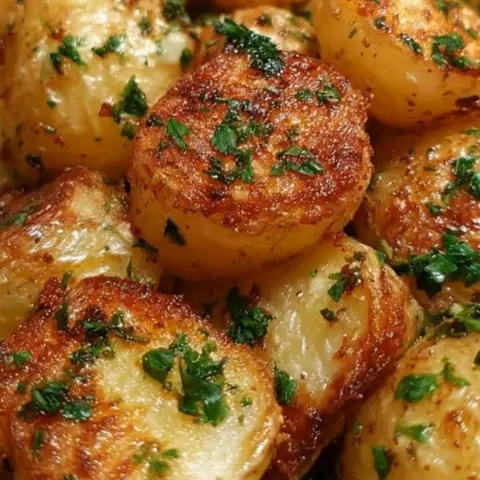
Halved potatoes seared in a cast-iron skillet with garlic and parsley until the skin turns golden and crackly, then finished soft and steaming inside. A simple side for weeknights.
Published 12 min read
- Total time
- Prep
- Cook
- Serves
- 4
- Makes 4 side servings
- Cuisine
- American
- Calories
- 280
- per serving, estimated

On this page15 sections
Few side dishes deliver crunch and tenderness in the same bite the way a hot skillet of potatoes does. These halved potatoes turn golden on the cut side, crackle along the skin and open into a soft, steaming center. Garlic and parsley add fragrance without any extra work, so the whole dish comes together in one pan while the rest of dinner finishes.
This recipe is built around one cast-iron skillet, a handful of pantry ingredients and a method that lets heat do the work. You start by halving the potatoes and tossing them with olive oil, kosher salt and black pepper, so the seasoning clings to every surface. A hot pan then sears the cut sides until they turn deep golden, and a short covered cook softens the center. Uncovering the skillet for the final minutes restores the crunch on the skin. Minced garlic and chopped parsley go in at the end, which keeps the garlic sweet rather than bitter. The result is a side with a crisp exterior, a fluffy interior and a fresh, savory finish that suits roast chicken, pork chops, or a simple plate of greens.
The appeal
Why you’ll love it
Searing the cut sides creates a deep golden crust because the potatoes stay in direct contact with the hot cast iron. The starch on the surface browns and forms a crisp shell, while the interior remains moist. Cast iron holds heat evenly, so the pan does not lose temperature when the potatoes go in, which is the reason the crust forms quickly instead of steaming in their own moisture.
The covered stage finishes cooking the center without drying out the skin. Trapped steam softens the flesh so a fork slides in easily, and the lid keeps the heat even from the bottom to the top. Uncovering at the end lets the surface moisture evaporate, which is what turns the skin brittle and crackly rather than soft. Adding the garlic last protects it from burning, so the flavor stays bright and fragrant.
What you need
Ingredients
Makes 4 side servings.
Tools
Equipment
- 12-inch cast-iron skillet
- Lid or large foil sheet
- Metal spoon
- Cutting board and sharp knife
- White serving plate
Swaps
Substitutions
Instead ofBaby or small yellow potatoes
UseYukon Gold potatoes cut into 1-inch chunks, cooked a few minutes longer
Instead ofFresh parsley
Use1 tsp dried parsley, added with the garlic
Instead ofOlive oil
UseAvocado oil or another neutral oil with a high smoke point
Good to know
Notes
Choose small, waxy or semi-waxy potatoes such as baby yellow potatoes or Yukon Gold. They hold their shape when halved and seared, and their creamy texture stays fluffy inside. Starchy russet potatoes also work, but they break apart more easily and need careful handling when you turn them. Avoid very large potatoes, because they take much longer to cook through and the outside can burn before the center softens. Fresh garlic and fresh parsley give the best flavor, though dried parsley can stand in when fresh is unavailable.
A 12-inch cast-iron skillet is the best tool for this dish because it holds high heat and browns evenly. A heavy stainless-steel skillet can work if it is large enough to hold the potatoes in a single layer. Keep a lid or a large sheet of foil nearby for the covered stage. Use a metal spoon or a sturdy spatula to turn the potatoes, since it lets you scrape up any browned bits from the pan. If you want a lighter oil flavor, choose avocado oil, which handles high heat well.
Prep
Before you start
Gather everything before you turn on the stove, because the potatoes move from raw to crisp in about twenty-five minutes and the garlic needs your attention at the right moment. Scrub the baby or small potatoes under cool running water and dry them thoroughly with a clean towel, since moisture on the surface slows browning. Cut each potato in half from top to bottom so the cut faces are flat and wide. Mince the garlic finely, about four cloves, and chop a small handful of fresh parsley. Measure the olive oil, kosher salt and black pepper into small dishes so you can season quickly. Set the cast-iron skillet on a stove burner, then place a metal spoon, a lid or foil, a plate and a cutting board within reach. A clear workspace keeps the pan hot and the seasoning even.
Step by step
Method
Phase 1
Sear the potatoes until golden
Step 1: Halve and season the potatoes
Cut the potatoes in half so the cut sides are flat. Put them in a bowl with the olive oil, kosher salt and black pepper, and toss until every piece is evenly coated.
You’ll need: baby or small yellow potatoes, halved · olive oil · kosher salt · black pepper
Look for: Cut faces look smooth and every piece glistens with oil.
Tip: Pat the potatoes dry first so the seasoning sticks and the skin browns faster.
Step 2: Heat the cast-iron skillet
Set the cast-iron skillet over medium-high heat for about 2 minutes. Add the seasoned potatoes cut side down in a single layer, leaving space between them so they sear instead of steam.
You’ll need: baby or small yellow potatoes, halved · olive oil
Look for: The oil shimmers and the potatoes sizzle as soon as they touch the pan.
Tip: Work in two batches if the skillet looks crowded; air between the pieces keeps them crisp.
Checkpoint
After the first sear, the cut sides should be deep golden brown with a crisp edge, and the potatoes should release easily from the pan when you nudge them with a spoon. Look for dark, even color across most of each half, and listen for a steady sizzle rather than a quiet hiss. If the pieces stick or look pale, leave them alone for another minute. Before you flip them, confirm that the bottoms have formed a real crust, because turning them too early tears the surface. Once the crust is set and the skillet smells toasty and savory, you can move on to the covered stage with confidence, knowing that the browned surface will carry flavor through the rest of the cooking process.
Phase 2
Cook through and crisp the skin
Step 3: Sear until golden and crisp
Cook the potatoes without moving them for 6 to 8 minutes, until the cut sides are deep golden. Turn them over, reduce the heat to medium, cover the skillet and cook 10 to 12 minutes more, until a fork slides into the center easily.
You’ll need: baby or small yellow potatoes, halved
Look for: Cut sides are deep golden brown and a fork goes in with little resistance.
Tip: Resist stirring too early; the crust forms only when the potatoes stay in contact with the hot iron.
Step 4: Uncover and crisp the skin
Remove the lid and raise the heat to medium-high for 2 to 3 minutes, so the skin dries and crackles. Move the potatoes around gently with a metal spoon to brown any pale spots.
You’ll need: baby or small yellow potatoes, halved
Look for: The skin looks blistered and crunches when the spoon presses on it.
Tip: A quick uncovered finish keeps the skin crisp instead of soft from trapped steam.
Step 5: Add the garlic and parsley
Push the potatoes to the sides of the skillet and lower the heat to medium. Add the minced garlic to the cleared space and stir for 30 seconds until fragrant, then toss it through the potatoes with the chopped parsley.
You’ll need: garlic, minced · fresh parsley · baby or small yellow potatoes, halved
Look for: The garlic smells sweet and toasty, with no raw sharpness left.
Tip: Keep the heat moderate, because minced garlic burns quickly in hot oil.
Checkpoint
At the end of the covered stage, a fork should slide into the center of a potato with little resistance, and the flesh should look soft and steaming when you lift a piece. Check the skin next, which should look dry and slightly blistered after the uncovered finish. Lift a potato with the spoon and press gently; it should give a faint crunch rather than feel damp or limp. If the centers still feel firm, cover the pan again for two more minutes and check once more. Avoid rushing this step, because undercooked centers lead to a pale, heavy texture. When the potatoes pass both the fork test and the crunch test, they are ready for garlic and seasoning.
Phase 3
Finish with garlic, parsley and salt
Step 6: Season and serve right away
Taste a potato and add more kosher salt if needed. Scoop the potatoes onto a white plate with the metal spoon while they are still hot and steaming.
You’ll need: kosher salt · baby or small yellow potatoes, halved
Look for: Edges crackle and the centers look soft and steaming when split.
Tip: Salt again just before serving, because crisp potatoes absorb it unevenly.
Checkpoint
The finished potatoes should smell savory and sweet, with the garlic fragrant but never bitter or dark. The parsley should look bright green and be evenly distributed across the pan. Taste one piece after tossing; it should taste seasoned throughout, with a crisp edge and a soft, steamy interior. If the flavor seems flat, add a small pinch more kosher salt and toss once more. Check that the skillet has not turned dark brown or smoky, which would signal that the garlic has burned and needs to be discarded. When the potatoes look glossy, golden and fragrant, scoop them onto a warm plate and serve them while the skin still crackles.
Doneness
How to tell it’s done
The potatoes are done when the cut sides are deep golden and crisp, the skin is blistered and crackly, and a fork slides into the center with almost no resistance. The flesh should look soft, moist and steaming when you split a piece. For a precise check, insert a paring knife into the thickest potato; it should meet no resistance. The potatoes contain no raw protein, so no internal temperature applies to this recipe. The garlic should look light golden and smell sweet, and the parsley should stay bright green. If the potatoes look soft or pale, return them to the hot skillet for two to three minutes uncovered, then test again before serving.
Avoid these
Common mistakes
The most common error is crowding the skillet. When too many potato halves share the pan, they release steam and the cut sides turn pale and soft rather than golden and crisp. Use a large cast-iron skillet, and cook in two batches if needed. Another frequent mistake is stirring too often during the sear. Moving the potatoes constantly prevents a crust from forming, so leave them undisturbed until they release naturally. Adding garlic too early is also a problem, because minced garlic burns within seconds in hot oil and turns bitter. Finally, season at the end as well as at the start, since crisp potatoes absorb salt unevenly and a final taste lets you correct the balance before serving.
Better results
Tips
Tip 1
Dry the potatoes thoroughly after washing and halving them. Surface moisture steams the cut sides before they can brown, so a quick pat with a clean towel makes a noticeable difference in crispness. Add the oil and seasoning only once the potatoes are fully dry, so the salt sticks and does not slide off in puddles.
Tip 2
Preheat the cast-iron skillet over medium-high heat before adding the potatoes. A hot pan sears the cut sides immediately, and that early crust is what keeps the centers from absorbing excess oil. If the potatoes start sticking, let them cook a minute longer; they will release once the crust has formed.
Make it yours
Variations
Smoked paprika
Add half a teaspoon of smoked paprika to the salt and pepper before tossing the potatoes. The smoky color deepens the golden crust and gives the dish a warm, slightly earthy flavor that pairs well with grilled meats and roasted vegetables.
Lemon zest finish
Grate the zest of one lemon over the potatoes right after they leave the skillet, then toss gently with the parsley. The bright citrus lifts the garlic and keeps the dish fresh-tasting, especially alongside fish or chicken.
Rosemary garlic
Replace the parsley with one tablespoon of finely chopped fresh rosemary, added with the garlic during the final stage. Rosemary gives a piney, resinous aroma that suits roast lamb, pork or a hearty weekend dinner.
Parmesan crust
Sprinkle two tablespoons of finely grated Parmesan cheese over the potatoes in the last minute of cooking. The cheese melts into a golden, savory crust that clings to the crisp skin and adds a nutty richness to every bite.
On the table
Serving suggestions
Serve these potatoes straight from the skillet on a warm white plate so the crust stays crisp and the steam carries the garlic and parsley aroma to the table. They pair naturally with roast chicken, grilled pork chops, a seared steak or a platter of fried eggs for brunch. Set a bowl of flaky salt and extra chopped parsley nearby so guests can finish their own portions. Because the potatoes are best eaten hot, plan to bring them to the table as soon as they come off the stove.
For a relaxed family meal, serve the potatoes alongside a crisp green salad dressed with lemon and olive oil, plus a simple protein such as baked salmon or roasted vegetables. The savory garlic and bright parsley balance rich mains well, and the soft interior soaks up pan juices. Offer a small dish of mustard or sour cream on the side for dipping if your guests enjoy a creamy or tangy contrast with their potatoes.
Leftovers
Storage & make-ahead
- Fridge
- Store cooled potatoes in an airtight container in the refrigerator for up to four days.
- Freezer
- Freezing is not recommended, because the potatoes lose their crisp skin and become soft and grainy once thawed. Cook a fresh batch instead for the best texture.
- Reheat
- Reheat leftover potatoes in a dry skillet over medium-high heat for four to five minutes, turning once.
Leftover potatoes keep well for a short time when handled correctly. Let them cool on a plate for no more than two hours at room temperature, then transfer them to an airtight container and refrigerate. Store them in a single layer if possible, or separate layers with parchment paper so the skin does not tear. Eat them within three to four days for the best texture and flavor. Reheating softens the crust over time, so plan to finish the batch within that window.
Make ahead
You can halve and season the potatoes up to four hours ahead of cooking. Place the coated pieces cut side up on a tray, cover them loosely and keep them in the refrigerator until you are ready to sear. Keep the garlic and parsley separate, mincing and chopping them just before the final stage so they stay fresh and fragrant. Do not salt the potatoes more than thirty minutes before cooking, because salt draws out moisture and slows browning. Cook the batch shortly before serving so the crust stays crisp.
Questions
Frequently asked questions
Which potatoes work best for crispy skillet potatoes?
Small waxy or semi-waxy potatoes such as baby yellow potatoes or Yukon Gold are the best choice. They keep their shape when halved and seared, and their flesh stays creamy and fluffy inside. Starchy russet potatoes can be used, but they break apart more easily and need gentler handling when turned. Very large potatoes take much longer to cook through, so the outside can brown before the center softens. Cut them into even pieces so that every half cooks at the same rate and finishes with the same crisp, golden surface across the whole skillet.
Why do the potatoes stick to the cast-iron skillet?
Sticking usually means the pan was not hot enough or the potatoes were moved too early. Preheat the skillet over medium-high heat until the oil shimmers, then add the potatoes cut side down. Leave them undisturbed until a crust forms and they release naturally. Dry potatoes and enough oil also help prevent sticking. If a few pieces still cling, scrape them loose gently with a metal spoon once they have browned, so the crust stays intact and the pan keeps its seasoned surface.
How do you keep the garlic from burning?
Add the minced garlic only after the potatoes have finished their covered cooking and the heat has been lowered to medium. Garlic burns in seconds when it sits in very hot oil, which turns it bitter and dark. Push the potatoes aside, stir the garlic for about thirty seconds until it smells fragrant, then toss it through the potatoes with the parsley. If the pan looks scorched or smells acrid, discard the garlic and start the final stage again with fresh garlic.
Can the potatoes be made ahead of time?
You can halve and season the potatoes up to four hours before cooking. Store them uncovered or loosely covered in the refrigerator, cut side up, so the surface stays dry. Avoid salting them more than thirty minutes ahead, because salt draws out moisture and slows browning. Mince the garlic and chop the parsley just before cooking to keep their flavor bright. Cook the potatoes shortly before serving, since the crispy skin is best within minutes of leaving the skillet.
How can you tell when the potatoes are fully cooked?
The potatoes are cooked when a fork or a paring knife slides into the thickest piece with little resistance, and the flesh looks soft and moist. The cut sides should be deep golden and the skin should feel dry and slightly crackly. Because the potatoes contain no raw protein, no internal temperature check is required for this recipe. If the centers still feel firm, cover the skillet for two more minutes over medium heat, then uncover briefly to restore the crunch before serving.
Everything in one place: the recipe card below gathers the ingredients, steps and estimated nutrition, ready to print.
Recipe card
Crispy Roasted Garlic Potatoes in One Skillet
Halved potatoes seared in a cast-iron skillet with garlic and parsley until the skin turns golden and crackly, then finished soft and steaming inside. A simple side for weeknights.
- Prep
- Cook
- Total
- Servings
- 4 side servings
Ingredients
- 2 lb baby or small yellow potatoes, halved
- 3 tbsp olive oil
- 1 tsp kosher salt, plus more to taste
- 1/2 tsp freshly ground black pepper
- 4 cloves garlic, minced
- 2 tbsp chopped fresh parsley
Instructions
Halve and season the potatoes. Cut the potatoes in half so the cut sides are flat. Put them in a bowl with the olive oil, kosher salt and black pepper, and toss until every piece is evenly coated.
Heat the cast-iron skillet. Set the cast-iron skillet over medium-high heat for about 2 minutes. Add the seasoned potatoes cut side down in a single layer, leaving space between them so they sear instead of steam.
Sear until golden and crisp. Cook the potatoes without moving them for 6 to 8 minutes, until the cut sides are deep golden. Turn them over, reduce the heat to medium, cover the skillet and cook 10 to 12 minutes more, until a fork slides into the center easily.
Uncover and crisp the skin. Remove the lid and raise the heat to medium-high for 2 to 3 minutes, so the skin dries and crackles. Move the potatoes around gently with a metal spoon to brown any pale spots.
Add the garlic and parsley. Push the potatoes to the sides of the skillet and lower the heat to medium. Add the minced garlic to the cleared space and stir for 30 seconds until fragrant, then toss it through the potatoes with the chopped parsley.
Season and serve right away. Taste a potato and add more kosher salt if needed. Scoop the potatoes onto a white plate with the metal spoon while they are still hot and steaming.
Nutrition (estimated, per serving)
- Calories
- 280 kcal
- Protein
- 5 g
- Carbs
- 38 g
- Fat
- 12 g
- Fiber
- 4 g
- Sugar
- 2 g
- Sodium
- 420 mg
Estimates only: values vary with brands, substitutions and portion sizes.
Recipe by EasyCooks Kitchen · easycooksrecipes.com
Share this recipe
Send it to someone who’d love it, or save it for later.
Spotted a mistake in this recipe? Let us know.
Keep cooking