Fried Cabbage with Shrimp, Sausage and Bacon in One Skillet
A one-skillet dinner of sautéed cabbage, smoked sausage, bacon and seared shrimp, seasoned in the same pan for a juicy, savory bite with plenty of flavor.
Published 11 min read
- Total time
- Prep
- Cook
- Serves
- 4
- Cuisine
- Southern American
- Calories
- 480
- per serving, estimated

On this page16 sections
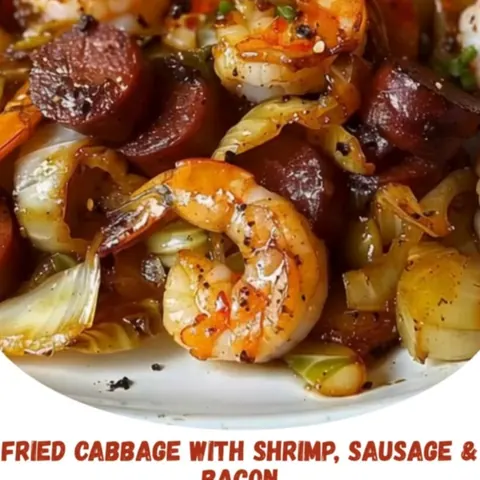
Glistening cabbage hits a hot skillet, bacon and smoked sausage sizzle, and shrimp turn pink in minutes. This one-pan dinner brings a savory, smoky bite to the table with almost no extra dishes. It is a practical way to get a full plate on the table on an ordinary weeknight.
This fried cabbage dish combines four savory elements in one skillet: crisp bacon, smoked sausage, seared shrimp and tender cabbage. The bacon renders its fat first, and that fat carries the flavor through the rest of the dish. The sausage browns in the same fat, the onion and garlic build a sweet base, and the cabbage cooks down until it is tender and glossy. Shrimp go in last so they stay juicy and sweet. Season with smoked paprika, salt and black pepper, then spoon a generous portion onto a warm plate. The whole process takes about forty minutes and needs only one pan.
The appeal
Why you’ll love it
The method works because each protein is cooked in the fat it releases. Bacon gives up its fat first, and the smoked sausage then browns in that fat, creating browned edges and deep flavor. Cooking the onion and garlic in the same pan lets them pick up those browned bits, which become the foundation of the sauce-like glaze that coats every piece of cabbage.
Covering the cabbage for a few minutes traps steam, so the wedges soften evenly without drying out. Once the cabbage is tender, pushing it aside gives the shrimp direct contact with the hot pan. Shrimp cook quickly, so adding them last keeps them tender. Returning the bacon and sausage at the end reunites every element and warms them together before serving.
What you need
Ingredients
Makes 4 servings.
Contains:
- Crustaceans
- Milk
Tools
Equipment
- Large cast-iron skillet
- Cutting board
- Chef's knife
- Wooden spoon or metal spoon
- Serving plate
Swaps
Substitutions
Instead ofSmoked sausage
UseAndouille or kielbasa, sliced into rounds
Instead ofUnsalted butter
UseBacon fat from the pan or a neutral oil
Instead ofLarge shrimp
UseMedium shrimp, cooked for one minute less
Good to know
Notes
Smoked sausage is the right choice here because it is already cooked and only needs browning. Andouille adds more spice, while kielbasa is milder and sweeter. Either one slices cleanly into rounds and holds its shape in the skillet. Look for links with a firm texture so the slices keep their shape while they brown.
A large cast-iron skillet holds heat well and gives the cabbage room to caramelize at the edges. If your skillet is small, cook the cabbage in two batches or use a wide sauté pan. Thick-cut bacon renders more fat and stays meatier than thin strips. Buy shrimp peeled and deveined to save time, and pat them dry before they hit the pan so they sear.
Prep
Before you start
Start by setting out everything you need so the skillet never sits idle. Chop the bacon into small pieces and slice the smoked sausage into rounds about a quarter inch thick. Slice the onion thinly and cut the green cabbage into thin wedges, removing the core. Mince the garlic. Peel and devein the shrimp, then pat them completely dry with paper towels. Keep the shrimp refrigerated until you are ready to cook them, and never leave raw shrimp out at room temperature for longer than thirty minutes. Measure the smoked paprika, butter, salt and black pepper into small bowls so they are ready to add. Have a clean plate or platter warmed nearby for serving, and set a slotted spoon beside the stove for lifting out the bacon.
Step by step
Method
Phase 1
Bacon, sausage and aromatics
Step 1: Render the bacon and sausage
Cook the chopped bacon in the skillet over medium heat until crisp, about 6 minutes. Lift it out with a slotted spoon. Add the sliced smoked sausage to the rendered fat and brown the rounds on both sides, about 5 minutes.
You’ll need: thick-cut bacon, chopped · smoked sausage, sliced into rounds
Look for: Bacon is crisp and the sausage rounds show golden browned edges.
Tip: Keep the heat at medium so the bacon renders fat without burning.
Step 2: Soften the onion and garlic
Melt the butter in the same skillet. Add the sliced onion and cook for 3 minutes until softened. Stir in the minced garlic and cook for 30 seconds until fragrant.
You’ll need: unsalted butter · yellow onion, thinly sliced · garlic, minced
Look for: The onion turns soft and translucent and the garlic smells fragrant.
Tip: Scrape up the browned bits from the bottom of the pan as you stir.
Checkpoint
The bacon is crisp and golden, the sausage rounds have browned edges, and the onion has softened into translucent strands. The garlic gives off a sweet, fragrant smell that rises from the pan. The skillet should hold a thin layer of rendered fat with browned bits stuck to the bottom. Before moving on, check that the bacon is out of the pan and the sausage is evenly browned, so that the cabbage starts in a flavorful base rather than on pale, greasy surfaces. If the fat looks too heavy, spoon off a little, leaving enough to coat the cabbage evenly.
Phase 2
Cabbage and seared shrimp
Step 3: Sauté the cabbage
Add the cabbage wedges to the skillet with the smoked paprika, salt and black pepper. Toss to coat, then cover and cook for 8 minutes, stirring once or twice, until the cabbage is tender and glossy.
You’ll need: green cabbage, cored and cut into thin wedges · smoked paprika · kosher salt and black pepper
Look for: The cabbage wilts, turns tender and picks up a golden sheen.
Tip: Add a splash of water if the pan looks dry before the cabbage softens.
Step 4: Sear the shrimp
Push the cabbage to the sides of the skillet. Add the shrimp in a single layer and sear for 2 minutes per side, until pink and opaque. Return the bacon and sausage to the pan and toss everything together.
You’ll need: large shrimp, peeled and deveined · thick-cut bacon, chopped · smoked sausage, sliced into rounds
Internal temperature 145°F (63°C)
Look for: Shrimp turn pink and opaque with a slight curl.
Tip: Pat the shrimp dry first so they sear instead of steaming.
Checkpoint
The cabbage has wilted and turned tender, with a glossy coating from the pan juices and a light golden color at the edges. When the shrimp go in, they should sizzle loudly and turn pink and opaque within two minutes per side. Each shrimp should show a gentle curl and a firm, springy bite. Before you combine everything, check that the shrimp have reached 145°F (63°C) internal temperature and that the bacon and sausage are warm. The whole skillet should smell smoky and savory, with no raw or grassy notes from the cabbage left in the pan.
Phase 3
Season and plate the skillet
Step 5: Season and serve hot
Taste and adjust the salt and black pepper. Spoon a generous portion onto a warm plate and serve right away while the cabbage and shrimp are still steaming.
You’ll need: kosher salt and black pepper · green cabbage, cored and cut into thin wedges
Look for: The skillet holds glistening, steaming cabbage with shrimp and sausage throughout.
Tip: Serve from the skillet so the cabbage stays hot.
Checkpoint
The skillet is full of glistening, steaming cabbage with bacon, sausage and shrimp evenly distributed through it. The surfaces look slightly caramelized and the aroma is smoky, sweet and savory. Taste a piece of cabbage and a shrimp before serving, and add salt or black pepper only if the flavor is flat. The cabbage should hold its shape when lifted with a spoon, not look soggy or watery. Serve immediately onto a warm plate so the shrimp stay juicy and the cabbage keeps its warm, tender texture.
Doneness
How to tell it’s done
The cabbage is done when it is tender enough to cut with the edge of a spoon, with a glossy coating and a few golden edges. It should still hold some shape and not look mushy. The shrimp are done when they are opaque all the way through and have turned pink, with a firm, springy texture. Cut the thickest shrimp open to check: the flesh should be white with no translucent center. Shrimp must reach 145°F (63°C) internal temperature to be safe to eat. The smoked sausage and bacon are already cooked, so they only need to be heated through and browned. When the bacon is crisp and the sausage is warm throughout, the whole dish is ready to serve.
Avoid these
Common mistakes
The most common mistake is crowding the skillet. When too much cabbage goes into a small pan, it steams instead of browning, and it turns grey and limp. Cook the cabbage in batches if needed, or use the widest pan you own. Another frequent error is overcooking the shrimp. They become rubbery within a minute past pink, so watch them closely and take the pan off the heat as soon as they are opaque. Adding wet shrimp also causes splatter and steaming, which dilutes the browning. Pat them dry first. Finally, do not skip browning the sausage. Pale sausage tastes flat, so give each round time to color on both sides before adding the vegetables. A little patience at each stage makes a noticeable difference in the final flavor.
Cook safely
Food safety
Safe internal temperatures
Cook to at least these temperatures, measured with an instant-read thermometer in the thickest part.
| Food | Minimum internal temperature |
|---|---|
| Shellfish | 145°F (63°C) |
Better results
Tips
Tip 1
Keep the heat at medium for most of the cooking. High heat browns the bacon and sausage quickly but can burn the garlic and leave the cabbage tough on the inside. Medium heat gives the fat time to render and the cabbage time to soften while developing color at the edges.
Tip 2
Use a wooden spoon or a sturdy metal spoon to turn the cabbage, and toss rather than stir too often. Letting the cabbage rest against the hot pan for a minute between turns builds browned spots that add sweetness and depth. Once the shrimp are in, move them gently so they do not tear.
Make it yours
Variations
Spicy Andouille Version
Use andouille sausage in place of smoked sausage and add a pinch of cayenne pepper with the smoked paprika. The sausage brings more heat and deeper smoky spice, and the shrimp pick up the same seasoning as the cabbage.
Milder Kielbasa Version
Choose kielbasa for a gentler, slightly sweeter flavor. Slice it into thin rounds so it browns quickly and stays tender in the skillet. This variation suits families who prefer less heat.
Extra Bacon Version
Increase the bacon to six slices and use the rendered fat for the entire cooking process. The extra fat makes the cabbage richer and creates crisper, more deeply browned edges for a savory, smoky finish.
Shrimp-Free Version
Leave out the shrimp and add a second pound of smoked sausage for a meat-only skillet. Keep the same method, cooking the sausage until browned before adding the cabbage, so the dish stays hearty and smoky.
On the table
Serving suggestions
Serve the fried cabbage hot, straight from the skillet or spooned onto a warm plate. Fresh, crusty bread is a good companion for soaking up the pan juices, and a simple green salad with a sharp vinaigrette adds a bright contrast to the rich bacon and sausage. A cold glass of iced tea or a light lager also pairs well with the smoky flavors.
For a relaxed family dinner, place the skillet in the middle of the table and let everyone help themselves. Offer extra salt, black pepper and a bottle of hot sauce on the side so people can adjust the seasoning to their taste. Cornbread or warm rolls turn the plate into a satisfying, complete meal that is easy to share.
Leftovers
Storage & make-ahead
- Fridge
- Refrigerate leftovers in an airtight container for up to three days, after cooling them within two hours.
- Freezer
- Freezing is not recommended, because shrimp become rubbery and the cabbage turns watery after thawing.
- Reheat
- Reheat gently in a skillet over medium heat for three to four minutes, stirring until hot throughout.
Let leftovers cool for no more than two hours at room temperature, then transfer them to a shallow airtight container. Cooling them quickly keeps the cabbage fresh and the shrimp at their best. Store the container in the refrigerator, where the dish keeps for up to three days. Keep the shrimp in the same container as the other ingredients rather than separating them, because the pan juices help keep everything moist. Label the container with the date so you can track freshness. When you serve leftovers, use a clean spoon each time to avoid introducing bacteria from the serving utensil back into the rest of the dish.
Make ahead
You can prepare most of this dish ahead of time to speed up dinner. Chop the bacon, slice the sausage and onion, cut the cabbage into wedges and mince the garlic up to a day before cooking. Store each element separately in a covered container in the refrigerator. Keep the shrimp peeled, deveined and dried, refrigerated in their own container until the moment you cook them. Cooking the full dish in advance is less ideal, because the shrimp toughen when reheated and the cabbage loses its glossy texture. If you do cook the dish ahead, cool it promptly, refrigerate it and reheat it gently, adding the shrimp only during the final warming so they stay tender.
Questions
Frequently asked questions
Can this fried cabbage be made without shrimp?
Yes. Leave out the shrimp and increase the smoked sausage to two pounds, or add a second protein such as sliced chicken sausage. Keep the same method: brown the bacon and sausage first, then sauté the onion, garlic and cabbage in the rendered fat. The dish stays hearty and smoky without the seafood, and the cooking time for the cabbage remains the same. Check that any added sausage is fully cooked or browned through before serving.
Why does the cabbage turn watery or soggy?
Watery cabbage usually comes from crowding the skillet or cooking it on too low a heat. When too much cabbage fills the pan, it releases moisture faster than the liquid can evaporate, so it steams instead of browning. Use the widest pan you have, cook in batches if needed, and keep the heat at medium. Covering the cabbage for only part of the cooking time helps it soften without becoming limp.
How do you tell when the shrimp are fully cooked?
Shrimp are cooked when they turn pink and opaque all the way through, with a firm, springy texture and a slight curl. Cut the thickest one open to check that the center is no longer translucent. The safe internal temperature is 145°F (63°C). Shrimp cook fast, so remove them from the heat as soon as they are opaque to avoid a rubbery texture. Overcooking is the most common reason shrimp become tough.
Can you use cabbage other than green cabbage?
Yes. Savoy cabbage works well because its crinkled leaves soften quickly and take on flavor easily. Red cabbage also works but turns a purple-blue color when cooked, and it needs a few extra minutes to become tender. Napa cabbage cooks faster and has a milder taste, so reduce the covered cooking time by a few minutes. Cut any variety into even wedges so the pieces cook at the same rate.
What is the best way to store and reheat leftovers?
Cool the dish within two hours, then store it in an airtight container in the refrigerator for up to three days. Reheat it gently in a skillet over medium heat for three to four minutes, stirring until hot throughout. Avoid the microwave for long periods, because it can make the shrimp rubbery. Do not freeze the dish, since the shrimp and cabbage change texture after thawing and lose their appeal.
Everything in one place: the recipe card below gathers the ingredients, steps and estimated nutrition, ready to print.
Recipe card
Fried Cabbage with Shrimp, Sausage and Bacon in One Skillet
A one-skillet dinner of sautéed cabbage, smoked sausage, bacon and seared shrimp, seasoned in the same pan for a juicy, savory bite with plenty of flavor.
- Prep
- Cook
- Total
- Servings
- 4 servings
Ingredients
- 4 slices thick-cut bacon, chopped
- 12 oz smoked sausage, sliced into rounds
- 1 lb large shrimp, peeled and deveined
- 1 yellow onion, thinly sliced
- 1 small head green cabbage, cored and cut into thin wedges
- 3 cloves garlic, minced
- 2 tbsp unsalted butter
- 1 tsp smoked paprika
- kosher salt and black pepper to taste
Instructions
Render the bacon and sausage. Cook the chopped bacon in the skillet over medium heat until crisp, about 6 minutes. Lift it out with a slotted spoon. Add the sliced smoked sausage to the rendered fat and brown the rounds on both sides, about 5 minutes.
Soften the onion and garlic. Melt the butter in the same skillet. Add the sliced onion and cook for 3 minutes until softened. Stir in the minced garlic and cook for 30 seconds until fragrant.
Sauté the cabbage. Add the cabbage wedges to the skillet with the smoked paprika, salt and black pepper. Toss to coat, then cover and cook for 8 minutes, stirring once or twice, until the cabbage is tender and glossy.
Sear the shrimp. Push the cabbage to the sides of the skillet. Add the shrimp in a single layer and sear for 2 minutes per side, until pink and opaque. Return the bacon and sausage to the pan and toss everything together.
Season and serve hot. Taste and adjust the salt and black pepper. Spoon a generous portion onto a warm plate and serve right away while the cabbage and shrimp are still steaming.
Allergens: Crustaceans, Milk
Nutrition (estimated, per serving)
- Calories
- 480 kcal
- Protein
- 34 g
- Carbs
- 16 g
- Fat
- 30 g
- Fiber
- 4 g
- Sugar
- 5 g
- Sodium
- 1,400 mg
Estimates only: values vary with brands, substitutions and portion sizes.
Recipe by EasyCooks Kitchen · easycooksrecipes.com
Share this recipe
Send it to someone who’d love it, or save it for later.
Spotted a mistake in this recipe? Let us know.
Keep cooking


