Kitchen Table StoriesLove & LossFiction17 min readPart 4 of 5
She Was the Maid They Mocked, But Her Dance Left the Groom's Family in Tears — Part 4 of 5
By EasyCooks KitchenPublished

Gerald smiled, a thin, knowing smile. "He'll be waiting."
I closed the door and leaned against it, my heart racing. Somewhere in the back of my mind, I could hear my mother humming an old song — the one she used to sing when she thought I was asleep. It was a love song, and she always cried when she sang it.
"I'm sorry, Mama," I whispered. "I'm going to finish this."
The Whitmore Estate Looked Like a Tomb When I Pulled Up
The gates opened without a word, and I drove up the long, winding driveway. The mansion loomed ahead, its windows dark except for a single light in the study. I parked my car, stepped out, and walked up the marble steps — the same steps my mother must have walked down thirty years ago, carrying nothing but her pride.
The front door opened before I could knock. Gerald was there, his face unreadable. "He's in the study," he said. "He's been waiting all day."
I followed him through the hall, past the ballroom where the mirrors still reflected the ghost of my dance. The chandeliers were dark now, but I could still hear the music in my head.
The study door was ajar. I pushed it open and found Arthur Whitmore sitting in a leather armchair, an untouched glass of whiskey on the table beside him. He looked older than he had at the wedding — shrunken, diminished, like a balloon that had lost its air.
"Eliza," he said, and his voice cracked. "Thank you for coming."
"Don't thank me yet," I said. "I haven't decided what I'm going to do."
He nodded, his eyes wet. "I know. I don't deserve anything from you. But I need you to know the truth."
He reached into his jacket and pulled out a stack of letters, yellowed with age. "These are the letters I wrote to your mother," he said. "Rosa intercepted them. I found them in her apartment after she died. I never knew until then."
I took the letters. The envelopes were addressed to "Elena Marchetti" in a careful, desperate hand. The postmarks were from 1990, 1991, 1992 — years when my mother was raising me alone, believing she'd been abandoned.
"I loved her," Arthur said, his voice breaking. "I never stopped loving her. When I married Margaret, it was because my father threatened to cut off my sister's medical care. She had leukemia, and the treatment was expensive. I told your mother I had to end things, but she didn't believe me. She thought I was lying."
"She told me you broke up with her," I said. "She said you told her you didn't love her anymore."
"That's what Rosa told her," Arthur said. "I never said that. I never would have."
He buried his face in his hands. "I've spent thirty years hating myself for what I did. And when I saw you dance last night, I knew you were hers. You have her exact movements. The way she tilted her head when she was angry. The way she laughed when she was happy."
I looked at the letters, at the words I hadn't read yet. "Why didn't you come to her funeral?"
"I didn't know she was dead," he said. "I didn't know you existed. Rosa never told me. She never told anyone." He looked up, and his eyes were red. "I only found out when I saw you in that ballroom, and I saw her face in yours. I had my lawyer dig into your background that night. I found out everything."
"So now what?" I asked. "You want to play daddy?"
"No," he said, and his voice was firm. "I want to do what I should have done thirty years ago. I want to tell the world that Elena Marchetti was my one true love. I want to tell them that I have a daughter, and that I'm proud of her. I want to give you everything I have, if you'll accept it."
"I don't want your money," I said again, but the words felt hollow now.
"Then what do you want?"
I looked at the letters in my hands. At the man who had loved my mother, who had been manipulated by his own sister, who had spent a lifetime carrying the weight of a lie. I thought of my mother, alone in that tiny apartment, teaching me to dance because it was the only thing that made her feel free.
"I want to know if you would have married her," I said. "If none of this had happened. If Rosa hadn't interfered."
Share this story
Send it to someone who would enjoy it.
Keep reading
More stories
Love & Loss
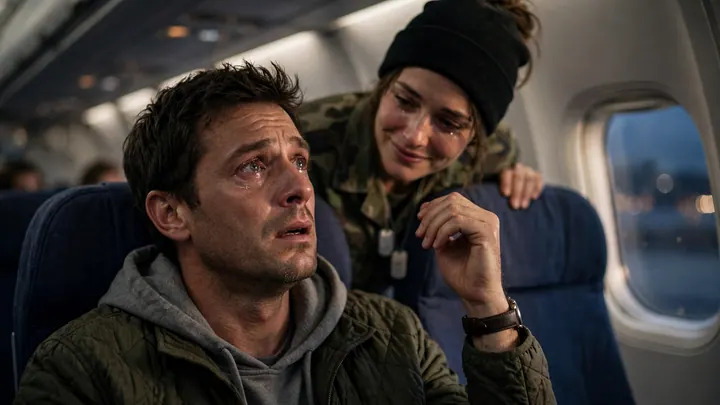
He Complained About A Passenger Kicking His Seat, Realizing It Was His Deployed Wife
When a tired father complained to a flight attendant about the passenger kicking his seat, he had no idea the annoying traveler was actually his deployed wife pulling off the ultimate surprise.
11 min readFiction
Love & Loss
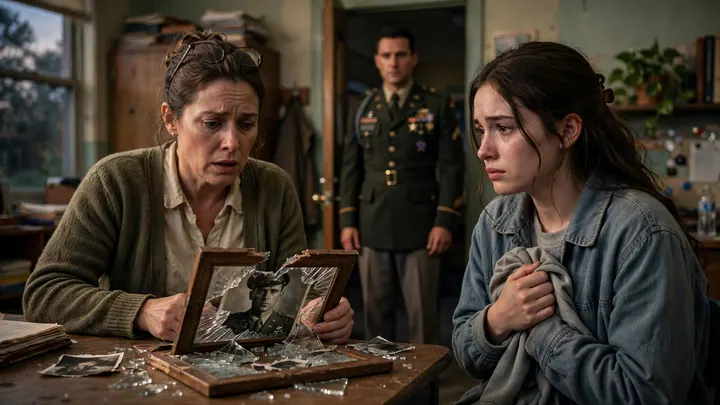
Teacher Smashes Crying Girl's Military Photo, Unaware The Hero Is Standing Behind Her
When Mrs. Gable publicly humiliated ten-year-old Lily and smashed her father's military portrait, she thought she was exposing a liar. She never expected the highly decorated soldier to walk through the door.
8 min readFiction
Love & Loss
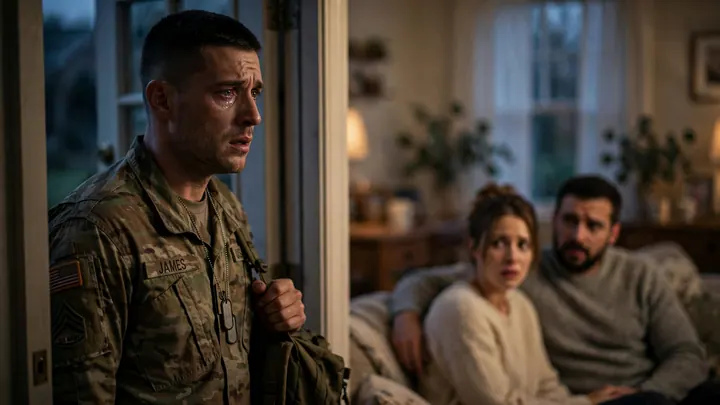
The Heartbreaking Moment a Soldier Returned Home and Found His Wife With Another Man
James survived months of deployment dreaming of the moment he would finally hold his wife, Rachel, again. But when he walked through the front door, his homecoming turned into a nightmare.
8 min readFiction
Love & Loss
He Lost His Pants at a Garage Sale, Then the Buyer Called His Wife with a Shocking Offer
Alex's embarrassing garage sale mishap turns into a nightmare when the stranger who bought his pants tracks him down—and reveals a secret that could destroy his marriage.
18 min readFiction

Love & Loss
The Lioness Who Fought Alone Until Her King Finally Stood Beside Her
A queen's silent sacrifice threatens to break her pride, until her king learns that loyalty isn't a crown—it's a shared burden. Their cubs' future hangs in the balance.
13 min readFiction

Love & Loss
She Said We'd Grow Together, But His Secret Made Her Question Every Year They Shared
Elena thought Marcus was the one who stayed. But one late-night confession unravels a decade of lies, forcing her to choose between the love she knew and the truth she just discovered.
11 min readFiction