Texas Sheet Cake with Warm Fudge Icing for a Crowd
A rich, moist Texas sheet cake under a glossy warm chocolate fudge icing. Baked in one metal pan, it feeds a crowd and stays tender for days.
Published 11 min read
- Total time
- Prep
- Cook
- Rest
- Serves
- 15
- Makes one 13 by 9-inch sheet cake
- Cuisine
- Southern American
- Calories
- 480
- per serving, estimated

On this page16 sections
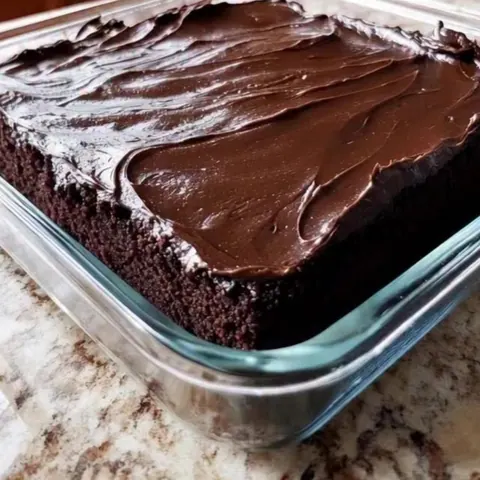
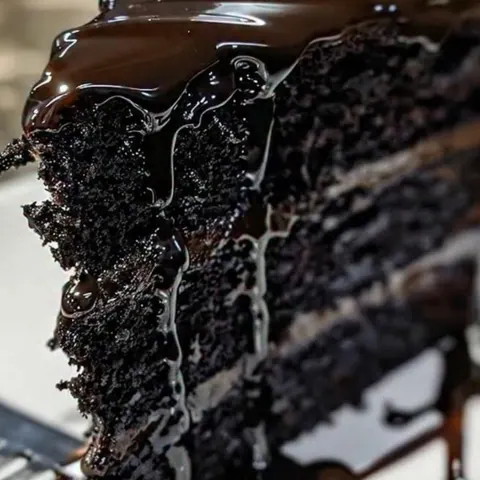
A slice of Texas sheet cake shows its character right away. The crumb is dense and moist, and a warm chocolate icing gives it a glossy, fudgy finish that sets as it cools. You make it in a single metal pan, so it feeds a crowd without extra bowls or layers. The method is simple, but each step builds the texture that makes this cake so rich and tender.
Texas sheet cake is a classic Southern bake built for a large group. Its batter is made with melted butter and hot cocoa, which gives a deep chocolate flavor and a moist, tender crumb. The cake bakes in a shallow pan, so it cooks quickly and evenly. The icing is poured on while both cake and icing are still warm, so it spreads easily and settles into a glossy layer. This recipe follows the same order as the classic: melt, mix, bake, ice and cut. Each part is simple on its own, and together they make a cake that stays moist for days.
The appeal
Why you’ll love it
The cake starts with butter, water and cocoa brought to a boil. Hot liquid blooms the cocoa, which deepens the chocolate flavor and keeps the crumb soft. Pouring it over the dry ingredients also starts the flour hydrating quickly, so the batter comes together smoothly without overmixing.
Sour cream and eggs add moisture and structure. Sour cream keeps the crumb tender, while the eggs set the cake as it bakes. Baking soda reacts with the acidity in the sour cream to lift the batter, giving a fine, even crumb. Icing the cake while it is hot lets the fudge seep slightly into the top, which is why every bite feels both moist and rich.
What you need
Ingredients
Makes one 13 by 9-inch sheet cake.
Cake
Icing
Contains:
- Gluten
- Eggs
- Milk
Tools
Equipment
- 13 by 9-inch metal baking pan
- Large saucepan
- Mixing bowls
- Offset spatula
- Whisk
- Fork
Swaps
Substitutions
Instead ofSour cream
UsePlain whole-milk yogurt, same amount, for a slightly tangier crumb
Instead ofWhole milk
UseHalf-and-half, same amount, for a richer icing
Instead ofKosher salt
UseFine sea salt, 1/4 tsp, since it is denser by volume
Good to know
Notes
Use unsalted butter so you control the salt, and choose unsweetened cocoa powder for a deep, bitter-sweet chocolate flavor. Sift the confectioners' sugar to avoid lumps in the icing. Whole milk gives the fudge icing a smooth texture, and sour cream should be full fat for the best moisture in the cake.
You need a 13 by 9-inch metal baking pan. Metal conducts heat well and gives the edges a golden color. A large saucepan is needed for the cake and the icing, and an offset spatula helps spread the warm icing evenly. Keep a whisk, a few mixing bowls and a fork close by so the steps run smoothly without stopping.
Prep
Before you start
Gather every ingredient and measure everything before you turn on the heat, because the cake moves quickly once the hot cocoa mixture goes into the bowl. Bring the eggs, sour cream and vanilla to room temperature so they blend smoothly into the batter. Grease the 13 by 9-inch metal pan well, including the corners, and set it on a rack near the oven. Sift the flour if it has been packed, and sift the confectioners' sugar for the icing so it dissolves without lumps. Set out the saucepan, a large bowl, the whisk and the offset spatula within reach. Heat the oven to 350°F (175°C) before you start the batter so it is ready when the pan is filled. Having everything prepared keeps the warm icing timing right.
Step by step
Method
Phase 1
Batter Ready in the Pan
Step 1: Melt butter with water and cocoa
Heat the oven to 350°F (175°C) and grease a 13 by 9-inch metal pan. In a large saucepan, bring the butter, water and cocoa powder to a boil, stirring until the butter has melted and the mixture is smooth and glossy.
You’ll need: unsalted butter · water · unsweetened cocoa powder
Look for: The butter has melted fully and the mixture is smooth, glossy and bubbling at the edges.
Tip: Keep the heat medium so the cocoa does not scorch on the bottom of the pan.
Step 2: Mix the dry ingredients
In a large bowl, whisk together the flour, sugar, baking soda and kosher salt until no lumps remain. This keeps the rise even and the crumb tender once the hot cocoa mixture goes in.
You’ll need: all-purpose flour · granulated sugar · kosher salt · baking soda
Look for: The dry mix looks uniform, with no visible specks of baking soda.
Tip: Sift the flour if it has been packed in the bag.
Step 3: Combine into a smooth batter
Pour the hot cocoa mixture over the dry ingredients and stir until smooth. Add the eggs, sour cream and vanilla, and mix until the batter is thick, glossy and evenly colored.
You’ll need: unsalted butter · water · unsweetened cocoa powder · all-purpose flour · granulated sugar · kosher salt · baking soda · large eggs · sour cream · vanilla extract
Look for: The batter is glossy, smooth and pourable, with no streaks of egg or sour cream.
Tip: Add the eggs one at a time if you prefer a more even mix.
Checkpoint
The batter should be glossy, smooth and pourable, with no streaks of sour cream or egg. It should spread easily to the corners of the greased pan without sticking to the spatula. Before you move on, check that the baking soda is fully mixed in, since any lumps will leave pockets in the crumb. Smooth the top with the back of a spoon so the cake bakes evenly. If the batter looks uneven, stir it gently for a few more seconds before pouring it into the pan.
Phase 2
Cake Baked and Icing Warm
Step 4: Bake the sheet cake
Pour the batter into the prepared pan and spread it evenly to the corners. Bake for about 20 to 25 minutes, until a toothpick inserted in the center comes out with a few moist crumbs and the top springs back when touched.
You’ll need: unsalted butter · water · unsweetened cocoa powder · all-purpose flour · granulated sugar · kosher salt · baking soda · large eggs · sour cream · vanilla extract
Internal temperature 160°F (71°C)
Look for: The top springs back lightly and the edges pull slightly from the pan.
Tip: Check the cake at 20 minutes, since oven hot spots can shorten the bake.
Step 5: Make the fudge icing
While the cake bakes, combine the milk, butter and cocoa in a saucepan. Bring to a simmer, then remove from the heat and whisk in the sifted confectioners' sugar and vanilla until smooth and thick enough to coat a spoon.
You’ll need: whole milk · unsalted butter · unsweetened cocoa powder · confectioners' sugar · vanilla extract
Look for: The icing is smooth, glossy and thick enough to coat the back of a spoon.
Tip: Sift the confectioners' sugar to avoid lumps in the finished icing.
Step 6: Ice the cake while warm
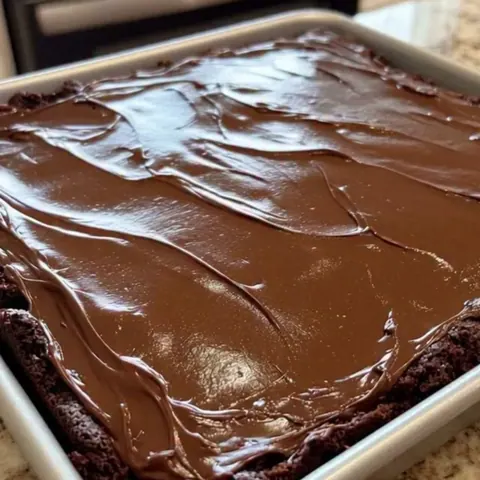
As soon as the cake comes out of the oven, pour the warm fudge icing over the hot surface and spread it evenly with an offset spatula to the edges. The heat helps the icing set into a glossy, fudgy layer.
You’ll need: whole milk · unsalted butter · unsweetened cocoa powder · confectioners' sugar · vanilla extract
Look for: The icing spreads smoothly and gleams across the whole surface.
Tip: Spread quickly while both the cake and the icing are still warm.
Checkpoint
The cake should be just set, with a faint spring when the top is touched and a toothpick that comes out with a few moist crumbs. The edges should be slightly pulled away from the pan. The fudge icing should be smooth, glossy and thick enough to coat a spoon, and it should still be warm. Check the cake a few minutes early, since ovens vary. If the cake looks pale in the center, return it to the oven for a few minutes. Keep the icing warm on low heat so it spreads easily over the hot cake.
Phase 3
Iced and Ready to Cut
Step 7: Cool, set and cut the cake
Let the cake rest in the pan for about 20 minutes so the icing firms slightly. Then cut it into squares with a sharp knife and serve from the pan on a granite or wooden board.
You’ll need: whole milk · unsalted butter · unsweetened cocoa powder · confectioners' sugar · vanilla extract
Look for: The icing is set but still soft, and the crumb holds its shape when cut.
Tip: Dip the knife in hot water and wipe it between cuts for clean squares.
Checkpoint
The icing should cover the cake evenly to the edges, with a glossy, unbroken surface and no thin patches. After about 20 minutes of rest, the icing should be firm to the touch but still soft under a gentle press. The cake should hold its shape when cut with a sharp knife, and the crumb should look moist and fine. If the icing looks dull, the cake may have cooled too much before icing; spread a thin layer of warm icing over any bare spots and let it settle before you cut the squares.
Doneness
How to tell it’s done
The cake is done when the top springs back lightly under a fingertip and a toothpick inserted in the center comes out with a few moist crumbs, not wet batter. The edges should pull slightly from the pan. Because this recipe uses eggs, the cake should reach 160°F (71°C) in the center, which cooks the eggs through and gives a safe, set crumb. Check the internal temperature with an instant-read thermometer if you are unsure. The icing is ready to spread when it is smooth, glossy and thick enough to coat a spoon. Once cut, the squares should hold their shape without sliding, and the crumb should look moist and fine-textured throughout.
Avoid these
Common mistakes
The most common mistake is overbaking, which dries the crumb and makes the cake lose its signature moistness. Watch the toothpick test closely and pull the cake as soon as it shows a few moist crumbs. Another frequent error is icing the cake after it has cooled, which makes the fudge stiff and hard to spread. Pour the icing while both the cake and the icing are warm so it sinks slightly into the surface. Using cold sour cream or eggs can cause the batter to look grainy, so bring them to room temperature first. Finally, avoid pouring the icing before it is smooth, since lumps of confectioners' sugar will show on the finished surface. Sift the sugar and whisk the icing until it is glossy.
Cook safely
Food safety
Safe internal temperatures
Cook to at least these temperatures, measured with an instant-read thermometer in the thickest part.
| Food | Minimum internal temperature |
|---|---|
| Egg dishes | 160°F (71°C) |
Better results
Tips
Tip 1
Use room temperature eggs and sour cream so the batter blends into a smooth, glossy mix. Cold dairy can cause the butter to seize and leave small streaks of fat in the crumb.
Tip 2
Spread the icing in one continuous pass with an offset spatula while the cake is still hot. Working quickly keeps the icing fluid, so it settles into a glossy layer without thick or thin patches.
Make it yours
Variations
Fresh Herb Finish
Fold in finely chopped flat-leaf parsley, chives or cilantro right off the heat for a bright herbal finish on every serving.
Gentle Spice Kick
Add a pinch of crushed red pepper flakes or smoked paprika during the middle cooking stage for gentle warmth throughout the dish.
On the table
Serving suggestions
Serve the cake at room temperature so the crumb is soft and the icing has a fudgy, glossy texture. Cut it into squares with a sharp knife dipped in hot water and wiped between cuts. Present the cake in the pan on a wooden board or granite countertop for a rustic, homey look that suits a gathering.
Pair the cake with a cold glass of milk, a scoop of vanilla ice cream or fresh coffee. The rich chocolate pairs well with simple, creamy accompaniments that balance its sweetness. For a crowd, cut the squares and arrange them on a platter with a few fresh berries for color and a fresh contrast to the dense cake.
Leftovers
Storage & make-ahead
- Fridge
- Store the covered cake in the refrigerator for up to five days, and bring it to room temperature before serving for the best texture.
- Freezer
- Wrap unfrosted or iced squares tightly in plastic wrap and foil and freeze for up to three months. Thaw them overnight in the refrigerator before serving.
- Reheat
- Warm a single square for 10 seconds in the microwave to soften the icing slightly before serving.
Once fully cooled and set, keep the cake covered at room temperature for up to three days. Cover the pan tightly with foil or plastic wrap so the crumb stays moist and the icing does not dry out. Avoid stacking other foods on top, since the icing can smear. If your kitchen is very warm, move the cake to the refrigerator, but bring it back to room temperature before serving so the crumb softens again. Any cake left out should be wrapped within two hours of serving. Cut squares can be stored in an airtight container for the same length of time, with parchment between layers if you stack them.
Make ahead
You can bake the cake a day ahead and keep it covered at room temperature. Ice it the same day to keep the fudge glossy and spreadable, since the icing sets firmly after a day. If you want to prepare the icing in advance, make it up to a day ahead and store it in an airtight container. Reheat it gently over low heat, stirring until smooth and warm enough to spread. Whisk again before icing, and add a splash of milk if it has thickened too much. Making the cake and icing ahead of time saves effort on the day you serve it. The flavor deepens slightly overnight, so the cake tastes even richer the following day.
Questions
Frequently asked questions
Why is the batter made with hot liquid?
Pouring hot butter, water and cocoa over the dry ingredients blooms the cocoa and deepens the chocolate flavor. The hot liquid also starts hydrating the flour quickly, so the batter mixes smoothly without overworking the gluten. The result is a moist, tender crumb that stays soft for days after baking, which is the signature of a Texas sheet cake.
Can this cake be made ahead?
Yes, bake the cake up to a day ahead and keep it covered at room temperature. Ice it on the day you plan to serve it so the fudge stays glossy and spreadable. The flavor deepens overnight, so the cake tastes even richer the next day. If you make the icing ahead, reheat it gently and whisk until smooth before spreading.
Why does the icing need to be spread while warm?
Warm icing spreads easily and sinks slightly into the hot cake surface, which helps it bond and creates a glossy, fudgy layer. If the icing cools too much, it becomes stiff and can tear the cake when spread. Work quickly with an offset spatula while both cake and icing are still warm, and add a splash of milk if the icing thickens too much.
How do you know when the cake is fully baked?
The cake is done when the top springs back lightly under a fingertip and a toothpick inserted in the center comes out with a few moist crumbs. The edges should pull slightly from the pan. Because this recipe uses eggs, the center should reach 160°F (71°C) for a safe, set crumb. Check early, since ovens vary.
Can you use a different pan size?
A 13 by 9-inch metal pan gives the proper depth and bake time described here. A smaller pan makes the cake too thick, so it may need longer and can dry out in the center. A larger pan spreads the batter too thin and shortens the bake. Keep the same batter amounts and check for doneness early if you change the pan size.
Everything in one place: the recipe card below gathers the ingredients, steps and estimated nutrition, ready to print.
Recipe card
Texas Sheet Cake with Warm Fudge Icing for a Crowd
A rich, moist Texas sheet cake under a glossy warm chocolate fudge icing. Baked in one metal pan, it feeds a crowd and stays tender for days.
- Prep
- Cook
- Rest
- Total
- Servings
- one 13 by 9-inch sheet cake
Ingredients
Cake
- 1 cup unsalted butter
- 1 cup water
- 1/4 cup unsweetened cocoa powder
- 2 cups all-purpose flour
- 2 cups granulated sugar
- 2 large eggs
- 1/2 cup sour cream
- 1 tsp baking soda
- 1 tsp vanilla extract
- 1/2 tsp kosher salt
Icing
- 1/2 cup whole milk
- 1/2 cup unsalted butter
- 3 tbsp unsweetened cocoa powder
- 4 cups confectioners' sugar, sifted
- 1 tsp vanilla extract
Instructions
Melt butter with water and cocoa. Heat the oven to 350°F (175°C) and grease a 13 by 9-inch metal pan. In a large saucepan, bring the butter, water and cocoa powder to a boil, stirring until the butter has melted and the mixture is smooth and glossy.
Mix the dry ingredients. In a large bowl, whisk together the flour, sugar, baking soda and kosher salt until no lumps remain. This keeps the rise even and the crumb tender once the hot cocoa mixture goes in.
Combine into a smooth batter. Pour the hot cocoa mixture over the dry ingredients and stir until smooth. Add the eggs, sour cream and vanilla, and mix until the batter is thick, glossy and evenly colored.
Bake the sheet cake. Pour the batter into the prepared pan and spread it evenly to the corners. Bake for about 20 to 25 minutes, until a toothpick inserted in the center comes out with a few moist crumbs and the top springs back when touched.
Make the fudge icing. While the cake bakes, combine the milk, butter and cocoa in a saucepan. Bring to a simmer, then remove from the heat and whisk in the sifted confectioners' sugar and vanilla until smooth and thick enough to coat a spoon.
Ice the cake while warm. As soon as the cake comes out of the oven, pour the warm fudge icing over the hot surface and spread it evenly with an offset spatula to the edges. The heat helps the icing set into a glossy, fudgy layer.
Cool, set and cut the cake. Let the cake rest in the pan for about 20 minutes so the icing firms slightly. Then cut it into squares with a sharp knife and serve from the pan on a granite or wooden board.
Allergens: Gluten, Eggs, Milk
Nutrition (estimated, per serving)
- Calories
- 480 kcal
- Protein
- 5 g
- Carbs
- 63 g
- Fat
- 24 g
- Fiber
- 2 g
- Sugar
- 48 g
- Sodium
- 260 mg
Estimates only: values vary with brands, substitutions and portion sizes.
Recipe by EasyCooks Kitchen · easycooksrecipes.com
Share this recipe
Send it to someone who’d love it, or save it for later.
Spotted a mistake in this recipe? Let us know.
Keep cooking
More dessert recipes
Desserts
Strawberry Ding Dong Sheet Cake with Chocolate Ganache and Fresh Strawberries
Total time: 2 hrs 5 mins