Honey Garlic Pork Belly Burnt Ends: Crispy Meat Candy
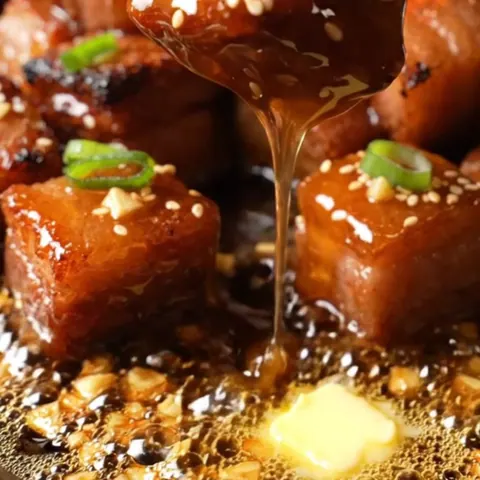
Crispy-edged, butter-soft pork belly cubes caramelized in a sticky honey garlic butter sauce. A sweet-savory meat candy that's surprisingly simple to make.
Published Updated 10 min read
- Total time
- Prep
- Cook
- Serves
- 6
- Cuisine
- American
- Calories
- 580
- per serving, estimated

On this page16 sections
These honey garlic pork belly burnt ends deliver the perfect balance of crispy, caramelized edges and butter-soft centers. Coated in a sweet and savory glaze that clings to every bite, they're the ultimate meat candy for parties, game days, or a decadent dinner. The method is simple: a smoky spice rub, a slow roast, and a final caramelizing bath in a bubbling honey garlic butter sauce. The result is a sticky, glossy, irresistible dish that disappears fast.
Pork belly burnt ends have become a beloved classic, and this honey garlic version takes them to new heights. The combination of brown sugar, smoked paprika, and garlic powder creates a savory-sweet crust, while the honey garlic butter glaze adds a luscious, sticky finish. Roasting the pork on a wire rack allows the fat to render and the edges to crisp, then a quick caramelization in a cast-iron skillet locks in the glaze. Serve them as an appetizer, a main course, or a snack—they're guaranteed to be the star of the table.
The appeal
Why you’ll love it
The secret to these burnt ends lies in the two-stage cooking process. First, roasting the pork belly on a wire rack at 375°F allows the fat to render slowly, creating crispy, golden edges while keeping the interior tender and juicy. The wire rack elevates the pork, so it doesn't sit in its own fat, ensuring even browning and a crisp exterior. This step is crucial for achieving that satisfying contrast between crunchy exterior and melt-in-your-mouth center.
The second stage is all about caramelization. Tossing the roasted pork in a honey garlic butter glaze and roasting it uncovered at 400°F causes the sugars to caramelize, forming a sticky, glossy coating that clings to every nook and cranny. The high heat intensifies the flavors, deepening the sweetness of the honey and the savory richness of the soy sauce. The result is a complex, umami-packed glaze that balances sweet, salty, and garlicky notes perfectly.
What you need
Ingredients
Makes 6 servings.
Glaze
For serving
Contains:
- Gluten
- Soy
- Milk
- Sesame
Tools
Equipment
- Large baking sheet
- Wire rack
- Cast-iron skillet
- Tongs
- Cutting board
- Chef's knife
Swaps
Substitutions
Instead ofSoy sauce
UseUse tamari or coconut aminos for a gluten-free option (reduce salt slightly if using tamari).
Instead ofSmoked paprika
UseRegular paprika plus a pinch of liquid smoke can substitute in a pinch.
Instead ofBrown sugar
UseCoconut sugar or dark brown sugar works well for a deeper molasses note.
Instead ofButter
UseUse a plant-based butter alternative for a dairy-free version, but note the glaze may be slightly less glossy.
Good to know
Notes
Choose a good-quality skinless pork belly with a nice balance of meat and fat. If your pork belly has skin, ask your butcher to remove it or do it yourself with a sharp knife. Cutting the pork into uniform 1 1/2-inch cubes ensures even cooking and consistent texture. The brown sugar and smoked paprika create a flavorful crust, while garlic powder adds a savory depth. For the glaze, use a mild honey to let the garlic and soy sauce shine, and opt for low-sodium soy sauce to control the saltiness.
A wire rack set over a baking sheet is essential for roasting the pork—it allows hot air to circulate all around the cubes, promoting even crisping. A cast-iron skillet is ideal for the final caramelization because it retains heat well and gives a beautiful sear. If you don't have a cast-iron skillet, use any oven-safe skillet. Toasted sesame seeds and scallions add a fresh, nutty finish that balances the richness. Feel free to adjust the amount of garlic or add a pinch of red pepper flakes for heat.
Prep
Before you start
Before you begin, make sure you have all the ingredients ready. Cut the pork belly into 1 1/2-inch cubes if not already done. Mince the garlic cloves and measure out the honey, soy sauce, and butter. Set up your baking sheet with a wire rack and have a cast-iron skillet ready. Preheat the oven to 375°F. Let the seasoned pork sit at room temperature for 15 to 30 minutes before roasting to help it cook more evenly. This brief rest also allows the spices to meld with the meat.
Step by step
Method
Phase 1
Prep and Roast
Step 1: Prep and Season the Pork
Heat the oven to 375°F (190°C). Cut the skinless pork belly into 1 1/2-inch cubes. In a large bowl, toss the pork cubes with the brown sugar, smoked paprika, and garlic powder until every piece is evenly coated. Let the seasoned pork sit at room temperature for 15 to 30 minutes while the oven heats.
You’ll need: skinless pork belly, cut into 1 1/2-inch cubes · brown sugar · smoked paprika · garlic powder
Look for: The pork is coated in a reddish-brown spice rub that clings to the meat.
Tip: Cut the pork into even cubes so they cook uniformly.
Step 2: Roast the Pork Belly
Place a wire rack over a baking sheet and arrange the pork cubes in a single layer, leaving space between them. Roast in the preheated oven for 45 minutes, until the fat renders and the edges begin to crisp and turn golden brown.
You’ll need: skinless pork belly, cut into 1 1/2-inch cubes
Look for: The pork is sizzling, with rendered fat pooling underneath and crispy browned edges.
Tip: Do not overcrowd the pan; this ensures even crisping.
Checkpoint
After the first phase, the pork cubes are coated in a fragrant spice rub and have roasted for 45 minutes. The fat has rendered, and the edges are golden brown and crispy. The kitchen smells of smoked paprika and roasted pork. The cubes should be firm enough to hold their shape but still tender when pressed.
Phase 2
Glaze and Caramelize
Step 3: Make the Honey Garlic Glaze
While the pork roasts, prepare the glaze. In a small saucepan over medium heat, combine the honey, minced garlic, soy sauce, and butter. Stir until the butter melts and the mixture is smooth and bubbling. Remove from heat and set aside.
You’ll need: honey · garlic cloves, minced · soy sauce · butter
Look for: The glaze is glossy, fragrant with garlic, and slightly thickened.
Tip: Keep the glaze warm so it coats the pork easily.
Step 4: Caramelize in the Skillet
Increase the oven temperature to 400°F (200°C). Transfer the roasted pork cubes to a cast-iron skillet in a single layer. Pour the honey garlic glaze over the pork and toss to coat each piece. Roast uncovered for 15 minutes, stirring once halfway, until the glaze is bubbling and caramelized on the edges. Let it rest for 3 minutes before slicing.
You’ll need: skinless pork belly, cut into 1 1/2-inch cubes · honey · garlic cloves, minced · soy sauce · butter
Internal temperature 145°F (63°C)
Look for: The glaze is thick, sticky, and dark amber, clinging to the pork.
Tip: Stir gently to avoid breaking the cubes.
Checkpoint
In the second phase, the roasted pork is tossed in a bubbling honey garlic butter glaze and returned to the oven at 400°F. The glaze thickens and darkens, clinging to the pork as it caramelizes. The aroma is intensely sweet and savory, with a hint of garlic. The pork is glossy and sticky, with some edges turning deep amber.
Phase 3
Rest and Garnish
Step 5: Rest and Serve
Remove the skillet from the oven. Let the pork belly rest for at least 3 minutes. Sprinkle with toasted sesame seeds and sliced scallions before serving warm. The internal temperature should reach 145°F (63°C) for safe consumption.
You’ll need: toasted sesame seeds · sliced scallions
Internal temperature 145°F (63°C)
Look for: The pork is glossy, with sticky caramelized edges and a tender interior.
Tip: Resting allows the juices to redistribute, keeping the meat moist.
Checkpoint
After the final roast, the pork belly burnt ends are resting, allowing the glaze to set slightly. The surface is sticky and glossy, with caramelized bits that catch the light. Topped with sesame seeds and scallions, they look irresistible. The internal temperature has reached 145°F (63°C), ensuring safe consumption.
Doneness
How to tell it’s done
The pork belly is done when it reaches an internal temperature of 145°F (63°C) in the thickest part, and the glaze is bubbling and caramelized. The edges should be dark amber and sticky, with a glossy sheen. The meat should be fork-tender and easily pull apart, yet still hold its shape. If you prefer a more caramelized exterior, you can roast for an additional 5 minutes, but watch closely to prevent burning.
Avoid these
Common mistakes
One common mistake is overcrowding the baking sheet during the initial roast, which traps steam and prevents the edges from crisping. Leave space between the cubes. Another pitfall is using a cold skillet for the caramelization—make sure it's preheated in the oven before adding the pork. Also, avoid stirring too vigorously when coating with the glaze, as the pork can break apart. Finally, don't skip the resting time after roasting; it allows the juices to redistribute, keeping the meat moist.
Cook safely
Food safety
Safe internal temperatures
Cook to at least these temperatures, measured with an instant-read thermometer in the thickest part.
| Food | Minimum internal temperature |
|---|---|
| Whole cuts of meat | 145°F (63°C)Then rest at least 3 minutes |
Better results
Tips
Tip 1
For the crispiest results, make sure the pork belly is thoroughly patted dry before coating with the spice rub. Any excess moisture will steam the meat and prevent browning. Also, let the pork come to room temperature before roasting—this helps it cook more evenly. When tossing the pork in the glaze, use a silicone spatula or tongs to avoid breaking the cubes. If the glaze seems too thin, you can simmer it on the stovetop for a few minutes to reduce and thicken it before adding the pork.
Tip 2
If you want a spicier kick, add a pinch of cayenne pepper or red pepper flakes to the spice rub. For a deeper smoky flavor, use a good-quality smoked paprika. You can also substitute maple syrup for the honey, but note that maple syrup has a thinner consistency and a different flavor profile. To make the dish ahead, prepare the pork through the initial roast, then store it in the refrigerator. When ready to serve, reheat the pork in the glaze as directed.
Make it yours
Variations
Spicy Sriracha Honey
Add 1-2 tablespoons of sriracha to the glaze for a spicy-sweet kick. The heat balances the sweetness of the honey and adds a vibrant red color. Adjust the amount to your preferred spice level.
Maple Bourbon Glaze
Replace the honey with maple syrup and add 2 tablespoons of bourbon to the glaze. The bourbon adds a smoky complexity that pairs well with the pork. Simmer the glaze for a few minutes to cook off the alcohol.
Smoky Chipotle BBQ
Stir 1-2 teaspoons of chipotle powder into the spice rub and add 2 tablespoons of your favorite BBQ sauce to the glaze. This gives a smoky, slightly spicy flavor that's perfect for barbecue lovers.
Ginger Sesame
Add 1 tablespoon of grated fresh ginger and 1 teaspoon of toasted sesame oil to the glaze. Sprinkle with extra sesame seeds and sliced scallions for an Asian-inspired twist. The ginger adds a fresh, zesty note.
On the table
Serving suggestions
Serve the honey garlic pork belly burnt ends as a main dish with steamed rice and a side of sautéed greens. The sticky glaze pairs beautifully with the neutral rice, and the greens add a fresh contrast. For a game-day spread, serve them on a platter with toothpicks and extra sesame seeds sprinkled on top. They're also delicious tucked into slider buns with a spoonful of coleslaw for a mini sandwich.
For a more elegant presentation, arrange the burnt ends on a platter and drizzle with any remaining glaze from the skillet. Garnish with additional sliced scallions and sesame seeds. They can be served warm or at room temperature, making them versatile for parties. If you have leftovers, chop them up and toss them into fried rice or use them as a topping for mac and cheese.
Leftovers
Storage & make-ahead
- Fridge
- Store leftovers in an airtight container in the refrigerator for up to 4 days. The glaze will solidify, but that's fine.
- Freezer
- Freeze in a single layer on a baking sheet, then transfer to a freezer bag for up to 2 months. Thaw overnight in the refrigerator.
- Reheat
- Reheat in a 350°F oven for 10-15 minutes, or in a skillet over medium heat until the glaze is bubbling and the pork is hot.
Store leftover pork belly burnt ends in an airtight container in the refrigerator for up to 4 days. The glaze will thicken as it cools, but it will re-liquefy when reheated. To reheat, place the pork in a single layer on a baking sheet and warm in a 350°F oven for 10-15 minutes, or until heated through. You can also reheat in a skillet over medium heat, stirring occasionally, until the glaze is bubbling and the pork is hot. Avoid microwaving, as it can make the pork rubbery.
Make ahead
The pork belly burnt ends can be prepared up to 2 days in advance. Follow the recipe through the initial roast, then let the pork cool completely and store it in an airtight container in the refrigerator. When you're ready to serve, make the glaze, toss the pork in it, and proceed with the caramelization step. This makes them a great option for entertaining—you can do most of the work ahead and finish in the oven just before serving.
Questions
Frequently asked questions
Can this recipe be made without a cast-iron skillet?
Yes, any oven-safe skillet or baking dish will work. The key is to use a pan that can go from the oven to the stovetop if needed, but since the recipe calls for roasting only, a baking dish is fine. Just make sure the pork is in a single layer so the glaze coats evenly.
Why is the pork belly not crispy after roasting?
Crispiness depends on rendering the fat properly. Ensure the pork is in a single layer on the wire rack, and don't skip the initial 45-minute roast. If the pork still isn't crispy, you can increase the oven temperature to 400°F for the last 10 minutes of the first roast, but watch to prevent burning.
Can this dish be made gluten-free?
Yes, substitute the soy sauce with tamari or coconut aminos. Check that all other ingredients are gluten-free, and the dish becomes gluten-free. Note that some soy sauces contain wheat, so always read the label.
How can the glaze be thickened if it's too thin?
Simmer the glaze in a saucepan over medium heat for 5-10 minutes, stirring frequently, until it reduces and coats the back of a spoon. You can also add a slurry of 1 teaspoon cornstarch mixed with 1 tablespoon water, but be careful not to over-thicken.
What is the best way to reheat leftover burnt ends?
The best method is to reheat them in a 350°F oven for 10-15 minutes, or in a skillet over medium heat, stirring occasionally, until the glaze is bubbling and the pork is hot. Avoid microwaving, as it can make the meat rubbery and the glaze chewy.
Everything in one place: the recipe card below gathers the ingredients, steps and estimated nutrition, ready to print.
Recipe card
Honey Garlic Pork Belly Burnt Ends: Crispy Meat Candy
Crispy-edged, butter-soft pork belly cubes caramelized in a sticky honey garlic butter sauce. A sweet-savory meat candy that's surprisingly simple to make.
- Prep
- Cook
- Total
- Servings
- 6 servings
Ingredients
- 3 lb skinless pork belly, cut into 1 1/2-inch cubes
- 3 tbsp brown sugar
- 1 tbsp smoked paprika
- 1 tbsp garlic powder
Glaze
- 1/2 cup honey
- 6 garlic cloves, minced
- 1/4 cup soy sauce
- 3 tbsp butter
For serving
- Toasted sesame seeds, for serving
- Sliced scallions, for serving
Instructions
Prep and Season the Pork. Heat the oven to 375°F (190°C). Cut the skinless pork belly into 1 1/2-inch cubes. In a large bowl, toss the pork cubes with the brown sugar, smoked paprika, and garlic powder until every piece is evenly coated. Let the seasoned pork sit at room temperature for 15 to 30 minutes while the oven heats.
Roast the Pork Belly. Place a wire rack over a baking sheet and arrange the pork cubes in a single layer, leaving space between them. Roast in the preheated oven for 45 minutes, until the fat renders and the edges begin to crisp and turn golden brown.
Make the Honey Garlic Glaze. While the pork roasts, prepare the glaze. In a small saucepan over medium heat, combine the honey, minced garlic, soy sauce, and butter. Stir until the butter melts and the mixture is smooth and bubbling. Remove from heat and set aside.
Caramelize in the Skillet. Increase the oven temperature to 400°F (200°C). Transfer the roasted pork cubes to a cast-iron skillet in a single layer. Pour the honey garlic glaze over the pork and toss to coat each piece. Roast uncovered for 15 minutes, stirring once halfway, until the glaze is bubbling and caramelized on the edges. Let it rest for 3 minutes before slicing.
Rest and Serve. Remove the skillet from the oven. Let the pork belly rest for at least 3 minutes. Sprinkle with toasted sesame seeds and sliced scallions before serving warm. The internal temperature should reach 145°F (63°C) for safe consumption.
Allergens: Gluten, Soy, Milk, Sesame
Nutrition (estimated, per serving)
- Calories
- 580 kcal
- Protein
- 22 g
- Carbs
- 25 g
- Fat
- 43 g
Estimates only: values vary with brands, substitutions and portion sizes.
Recipe by EasyCooks Kitchen · easycooksrecipes.com
Share this recipe
Send it to someone who’d love it, or save it for later.
Spotted a mistake in this recipe? Let us know.
Keep cooking


