Kitchen Table StoriesSecond ChancesFiction11 min readPart 2 of 5
She Begged Her Town to Save Five Dying Houses—Then the Last One Gave Up a Secret — Part 2 of 5
By EasyCooks KitchenPublished
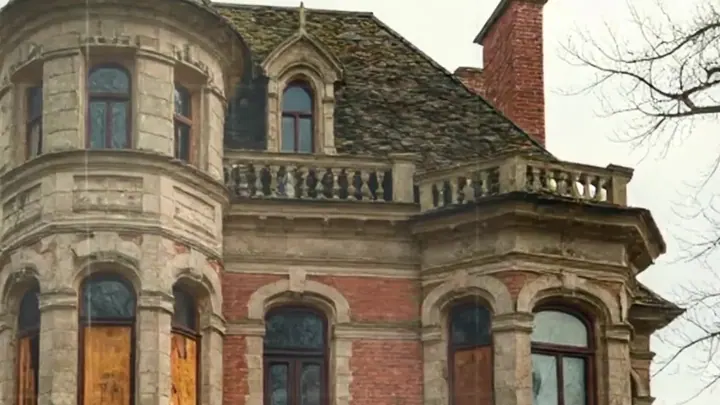
I turn to face the Weeping House, the one that’s been sealed for decades. My grandmother used to say that house was cursed, that a woman died inside it and her ghost still walks the attic. But I never believed that. I believed it was just sad.
“I’ll do whatever it takes,” I say, and I mean it.
The camera holds on my face, and I let it. I let the desperation show, the hopelessness, the stubbornness that has kept me here for six weeks, every night after work, talking to an empty street.
“Please,” I whisper. “Don’t let them die.”
The sun drops below the roofline, and the houses turn to silhouettes. In the distance, I hear the rumbling of a truck—the demo crew, maybe, or just a farmer heading home. I don’t know.
I just know I can’t lose this fight.
“Which one would you save?” I ask again, but I’m not sure who I’m asking anymore. Maybe I’m asking the universe. Maybe I’m asking myself.
I look down at the clipboard, at the petition, and I see that the ink is smudged from the rain. But the names are still there, the signatures of people who believe in something bigger than themselves.
I smile, just a little, and I say, “I’m not going anywhere.”
And then I walk home, not knowing that tomorrow, everything will change.
The next morning, I find a yellow envelope taped to my apartment door. No stamp, no return address—just my name written in shaky cursive that looks like my grandmother’s handwriting. Except she died five years ago.
I open it with trembling fingers, and inside is a deed. It’s dated 1943, signed by my great-grandfather, and it grants the Weeping House—number 13 Maple Street—to “the eldest daughter of the line, in perpetuity.” The paper is brittle, the ink faded, but the words are clear.
I read it three times before I understand. The house isn’t owned by the town. It was never owned by the town. It belongs to my family, and specifically to me—the last unmarried woman in our line.
I take the deed to the town council meeting that afternoon. I’m not dressed for a fight—just my work clothes and a messy bun—but I hold the deed up like a flag. “This house is not yours to demolish,” I say. “It’s mine.”
The council members exchange glances. The developer, Gary Whitmore, is sitting in the front row, and he laughs. “That’s a nice piece of paper, but I already bought it from your mother last month.”
My mother is in the back row, her face pale. She won’t look at me.
“You sold it?” I ask, and my voice cracks. “You sold the Weeping House?”
My mother stands up, and she’s shaking. “I had to,” she says. “We needed the money. Your father’s medical bills—”
“But it’s not yours to sell,” I say, holding up the deed. “It’s mine. It’s been in the family for generations.”
Share this story
Send it to someone who would enjoy it.
Keep reading
More stories

Second Chances
The Comatose Stranger Opened His Eyes the Second She Kissed His Lips
When nurse Clara leaned in to kiss her comatose patient goodbye, she never expected him to suddenly grab her hand. The truth behind his accident would change both of their lives forever.
7 min readFiction
Second Chances
She Fed Four Hungry Boys For Free, Years Later They Returned With A Miracle
When diner owner Beatrice fed four struggling brothers for free, she never expected anything in return. Years later, those same boys returned to her porch with a life-changing surprise.
9 min readFiction
Second Chances
A Mother Split Her Only Burger for Her Kids, Unaware a Stranger Was Watching
When a struggling mother divided a single hamburger between her two children on a birthday, a quiet businessman in the corner booth noticed her empty plate—and decided to act.
11 min readFiction
Second Chances
A Billionaire Bought My Son's Toy Car and Discovered Our Forgotten Past
When my young boys tried to sell their favorite toy to buy my medicine, a wealthy stranger stopped to help—only to realize we shared a heartbreaking past.
8 min readFiction
Second Chances
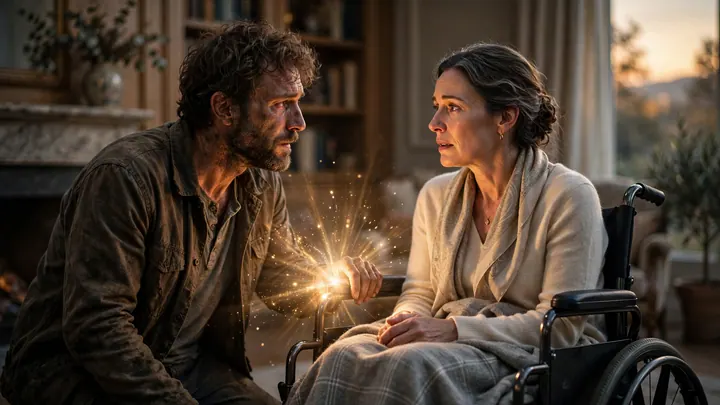
The Disheveled Stranger Who Healed My Paralysis Left Me With One Haunting Question
When a dirty, disheveled stranger touches a wealthy paralyzed woman's wheelchair, a miraculous light changes her life forever—and unlocks a heartbreaking secret from her forgotten past.
7 min readFiction
Second Chances
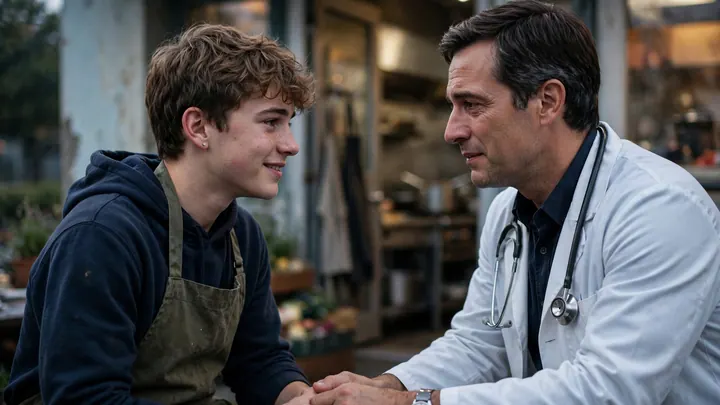
Manager Fires Teen Who Saved Choking Boy, But the Father Has a Life-Changing Surprise
When a heartless manager fires teenage kitchen worker Toby for saving a choking little boy, he has no idea that the boy's father is a powerful doctor ready to change Toby's life forever.
8 min readFiction