Kitchen Table StoriesSecond ChancesFiction11 min readPart 4 of 5
She Begged Her Town to Save Five Dying Houses—Then the Last One Gave Up a Secret — Part 4 of 5
By EasyCooks KitchenPublished
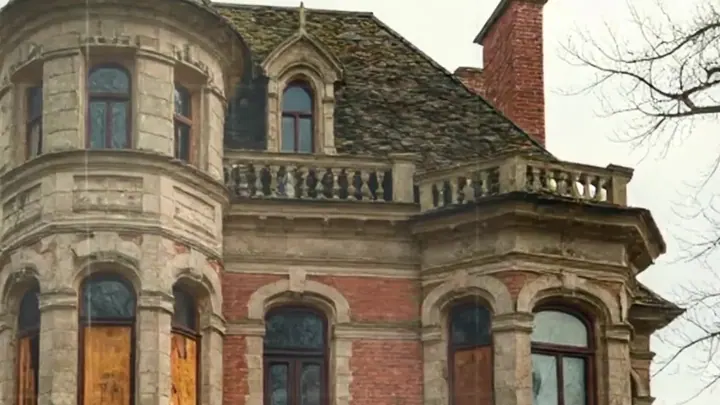
“I didn’t know you’d find the deed,” she says, her voice hoarse. “I left it for you, hoping you would.”
I can’t speak. I can only stare at the sister I mourned for a decade, the sister who vanished without a trace, the sister whose grave I knelt at every year, talking to the dirt as if she could hear me.
“Where have you been?” I finally ask, and the words come out broken.
Emma steps closer, and I see the tears streaming down her face. “I ran away,” she says. “I was seventeen, and I was pregnant, and Mom and Dad sent me away to have the baby in secret. They told everyone I died in a car accident.”
I feel the floor tilt. “They what?”
“They didn’t want the shame,” she says. “They made me give up the baby—a little girl—and then they made me promise to never come back.”
I think of my mother, sitting in that council meeting, crying. I think of my father, who died last year, carrying this secret to his grave. And I think of all the years I spent hating myself for not being able to save my sister, for not being there when she died—except she never died.
“But the house,” I say, holding up the deed. “This deed—it was in your name.”
Emma nods. “Great-grandpa left it to the eldest daughter. That’s me. But I’m not the eldest anymore.”
“What do you mean?”
“I mean,” she says, and she takes a deep breath, “I’m not the eldest daughter anymore. I’m the mother of the eldest daughter.”
And then I understand. The baby she gave up—she’s alive. She’s a woman now, probably around my age. And if she’s the eldest daughter, then the deed doesn’t belong to Emma or to me. It belongs to her.
“Where is she?” I ask.
Emma pulls out a worn photograph from her jacket pocket. It’s a picture of a young woman with red hair, standing in front of a coffee shop. “Her name is Lily,” Emma says. “She lives in Portland. She doesn’t know about me. She was adopted.”
I look at the photo, and I see my own face reflected back at me—the same nose, the same chin, the same stubborn set to the jaw. “She looks like us,” I say.
“She is us,” Emma says. “And she doesn’t even know that she owns half this street.”
I sit down on the dusty floor, my legs giving out. The deed is in my hands, but it means nothing now. The fight to save the houses was never about the houses—it was about family. It was about the lies we tell to protect the ones we love, and the truth that eventually finds its way out.
“I have to meet her,” I say.
Emma smiles, and it’s the same smile I remember from when we were kids. “I was hoping you’d say that.”
Share this story
Send it to someone who would enjoy it.
Keep reading
More stories

Second Chances
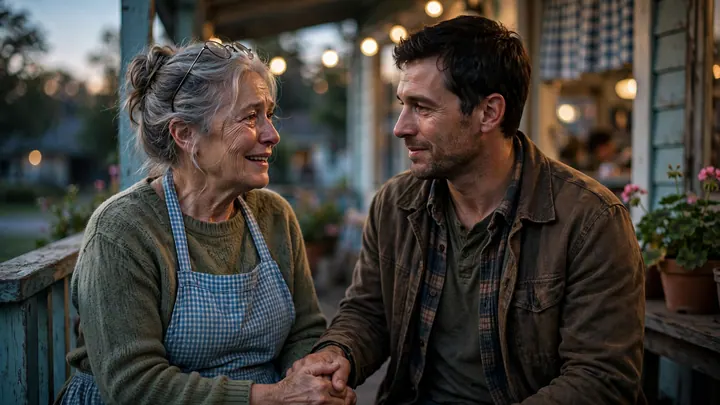
The Comatose Stranger Opened His Eyes the Second She Kissed His Lips
When nurse Clara leaned in to kiss her comatose patient goodbye, she never expected him to suddenly grab her hand. The truth behind his accident would change both of their lives forever.
7 min readFiction
Second Chances
She Fed Four Hungry Boys For Free, Years Later They Returned With A Miracle
When diner owner Beatrice fed four struggling brothers for free, she never expected anything in return. Years later, those same boys returned to her porch with a life-changing surprise.
9 min readFiction
Second Chances
A Mother Split Her Only Burger for Her Kids, Unaware a Stranger Was Watching
When a struggling mother divided a single hamburger between her two children on a birthday, a quiet businessman in the corner booth noticed her empty plate—and decided to act.
11 min readFiction

Second Chances
A Billionaire Bought My Son's Toy Car and Discovered Our Forgotten Past
When my young boys tried to sell their favorite toy to buy my medicine, a wealthy stranger stopped to help—only to realize we shared a heartbreaking past.
8 min readFiction
Second Chances
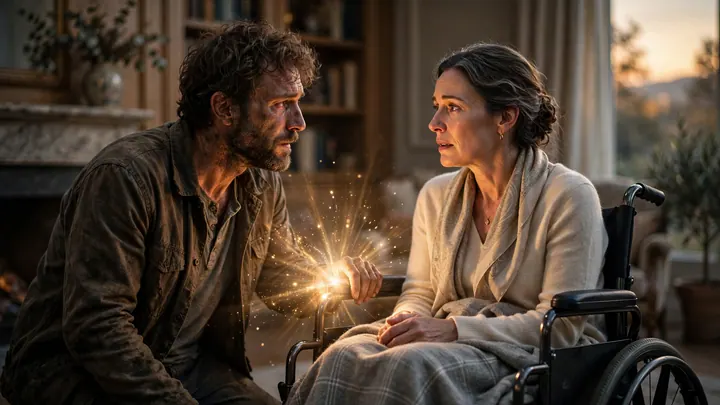
The Disheveled Stranger Who Healed My Paralysis Left Me With One Haunting Question
When a dirty, disheveled stranger touches a wealthy paralyzed woman's wheelchair, a miraculous light changes her life forever—and unlocks a heartbreaking secret from her forgotten past.
7 min readFiction
Second Chances
Manager Fires Teen Who Saved Choking Boy, But the Father Has a Life-Changing Surprise
When a heartless manager fires teenage kitchen worker Toby for saving a choking little boy, he has no idea that the boy's father is a powerful doctor ready to change Toby's life forever.
8 min readFiction