Authentic Belgian Liège Waffles with Caramelized Pearl Sugar
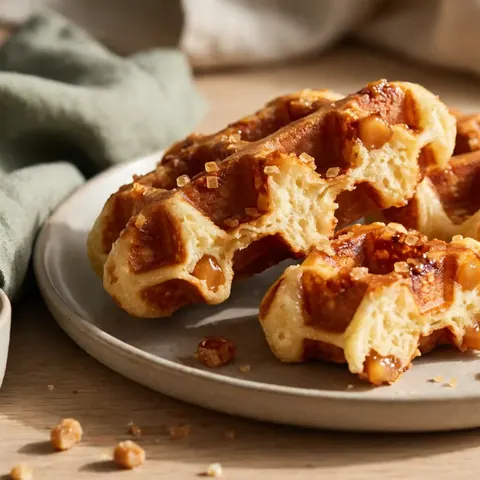
Experience the authentic taste of Belgian street bakeries with these Liège waffles. Featuring a rich brioche dough and crunchy pockets of caramelized pearl sugar, this classic recipe delivers a perfect, golden-brown finish every single time you cook them.
Published 11 min read
- Total time
- Prep
- Cook
- Serves
- 4
- Makes 4 large waffles
- Cuisine
- Belgian
- Calories
- 480
- per serving, estimated

On this page15 sections
Master the art of the authentic Belgian Liège waffle, a street-bakery staple that distinguishes itself through the clever use of pearl sugar. Unlike standard waffles, these are crafted from a rich brioche dough, resulting in a dense, buttery interior that contrasts beautifully with the crackling, caramelized exterior. By baking the sugar directly into the iron, you achieve a unique texture and flavor profile that has made this treat a global favorite for generations of dessert enthusiasts.
The hallmark of a true Liège waffle is the inclusion of Belgian pearl sugar, which does not melt into the dough but rather remains in distinct, crunchy pockets. As the waffle cooks in a heavy cast-iron mold, these sugar crystals liquefy against the hot surface, creating a dark, amber-colored caramel crust. This process demands a sturdy, enriched brioche dough that can withstand the high heat and sugar content while remaining tender and chewy on the inside. This guide provides the precise steps to achieve professional results, focusing on the essential balance of temperature and timing required for that signature caramelized finish that makes these waffles so iconic in Belgian culinary traditions.
The appeal
Why you’ll love it
The method relies on the specific properties of pearl sugar, which has a higher melting point than standard granulated sugar. By incorporating it into an enriched brioche dough, the sugar remains intact until it hits the high heat of the cast-iron plates. This creates a localized caramelization that coats the outside of the waffle in a brittle, candy-like shell while protecting the interior dough from drying out, resulting in the perfect balance of textures.
Using a heavy cast-iron waffle iron is crucial for maintaining a stable, high temperature of 185°C. This constant heat is what triggers the Maillard reaction and sugar caramelization simultaneously. Because the dough is dense and buttery, it acts as a heat conductor, ensuring the center cooks through while the exterior develops its characteristic dark color. This specialized equipment is the secret to achieving that professional street-bakery quality right in your own kitchen.
What you need
Ingredients
Makes 4 large waffles.
Contains:
- Gluten
- Eggs
- Milk
Tools
Equipment
- Heavy cast-iron waffle maker
- Kitchen scale
- Mixing bowl
- Spatula
Swaps
Substitutions
Instead ofBelgian nib pearl sugar
UseCrushed sugar cubes can be used if pearl sugar is unavailable, though they will melt faster and provide less of the signature crunch.
Instead ofBrioche yeast dough
UseA high-quality enriched yeasted dough with milk, butter, and eggs is essential to replicate the authentic texture and richness of this specific waffle.
Instead ofSoftened butter
UseEnsure the butter is truly soft but not melted, as this maintains the structural integrity of the dough during the incorporation of the sugar.
Good to know
Notes
For the best results, use imported Belgian pearl sugar, which is specifically designed to withstand the high temperatures of a waffle iron without dissolving completely into the dough. If you cannot find it, ensure you are not using standard granulated or confectioners' sugar, as these will simply disappear into the mix and fail to provide the necessary crunch. The quality of your brioche dough also matters; ensure it is properly enriched with butter for the best flavor.
The choice of waffle iron is just as important as the ingredients. A cast-iron model is highly recommended because it holds heat more effectively than modern non-stick electric versions. This thermal mass is necessary to create the deep caramelization that defines a Liège waffle. If your iron is not cast-iron, you may need to adjust your cooking time, but be aware that you might not achieve the same depth of flavor and texture that the traditional method provides.
Prep
Before you start
Before you begin, ensure your workspace is clean and organized, with all ingredients weighed and ready. The brioche dough must be chilled, as this makes it much easier to handle and shape into uniform balls. Make sure your cast-iron waffle maker is clean and seasoned properly to prevent sticking. Having a sturdy spatula ready for removing the finished waffles is also essential for safety. By preparing everything in advance, you can focus entirely on the timing and temperature control, which are the most critical factors in achieving the perfect caramelized texture for these waffles.
Step by step
Method
Phase 1
Dough Preparation
Step 1: Incorporating the Sugar
Place the chilled brioche dough into a large bowl and gently fold in the softened butter until fully combined. Carefully knead the Belgian nib pearl sugar into the dough, ensuring the sugar is evenly distributed throughout without breaking the delicate structure of the dough, which allows for consistent caramelization later.
You’ll need: chilled brioche yeast dough · softened butter · Belgian nib pearl sugar
Look for: The dough should be uniform and the sugar crystals evenly dispersed without being crushed.
Tip: Use a gentle hand when folding the sugar to keep the pearl sugar intact, as these pieces are essential for the signature texture.
Checkpoint
At this stage, the dough should be smooth, well-chilled, and have the pearl sugar evenly distributed throughout the mixture. The butter should be fully incorporated, giving the dough a rich, supple texture that is easy to handle. Check that the sugar crystals are visible throughout the dough balls, as this ensures each portion contains the necessary ingredients for the subsequent caramelization process. The dough balls should be uniform in size, which is vital for consistent results when they are placed into the hot waffle iron.
Phase 2
Shaping the Dough
Step 2: Preparing the Dough Balls
Divide the prepared dough into four equal portions, each weighing approximately 110 grams. Shape each portion into a smooth ball and let them rest briefly on a lightly floured surface to relax the gluten, which ensures the dough spreads correctly when placed into the hot waffle iron for even cooking and browning.
You’ll need: chilled brioche yeast dough
Look for: The dough balls should be smooth and hold their shape well before they are pressed into the iron.
Tip: Cover the dough balls with a clean kitchen towel to prevent them from drying out while the waffle iron reaches the necessary temperature.
Checkpoint
The dough balls should be perfectly round and have rested long enough to relax the gluten, making them ready for the iron. They should feel firm yet pliable, holding their shape on the counter without spreading too much. Ensure the surface of each ball is relatively smooth to promote even contact with the waffle iron plates. This preparation phase is the final check before cooking, so ensure your waffle iron is preheated to the correct temperature of 185°C to avoid any delays in the cooking process.
Phase 3
Final Cooking
Step 3: Cooking the Waffles
Preheat your heavy cast-iron waffle maker to 185°C (365°F). Place one dough ball in the center of the iron and press down firmly. Cook for exactly 3.5 minutes, allowing the pearl sugar to melt and transform into a deep, crackling amber caramel crust on the surface of the golden waffle.
You’ll need: chilled brioche yeast dough · Belgian nib pearl sugar
Look for: The waffle is ready when the exterior is a deep golden brown and the sugar has formed a glossy, crackling caramel layer.
Tip: Do not open the iron too early, as the caramelization process relies on the consistent heat maintained by the heavy cast-iron plates.
Checkpoint
The waffles should emerge from the iron with a deep, glossy, amber-colored crust that crackles when touched. The interior should be thoroughly cooked, tender, and fragrant with the scent of caramelized sugar and butter. Check that the caramel has formed a continuous, protective shell around the waffle. If the exterior is still pale, the iron may not have been hot enough, so adjust the heat for the next batch. The waffles are now ready to be enjoyed warm, showcasing the perfect contrast between the crunchy exterior and the soft, buttery center.
Doneness
How to tell it’s done
The waffles are done when they reach a deep, rich amber color and the exterior feels firm and brittle to the touch. You will notice a distinct, audible crackle as the caramel sets on the surface. Internally, the dough should be set, moist, and tender, with a buttery aroma that fills the kitchen. Avoid removing them before the 3.5-minute mark, as the sugar needs this time to reach its peak caramelization. Once done, the waffle should lift easily from the iron without tearing, indicating the caramel has properly formed the outer shell.
Avoid these
Common mistakes
A common mistake is using a waffle iron that is not hot enough, which prevents the sugar from caramelizing properly and results in a soft, pale crust. Another error is over-kneading the dough after adding the pearl sugar, which can break the crystals and lead to a uniform sweetness rather than the desired pockets of crunch. Finally, failing to use a heavy cast-iron iron will often lead to uneven browning and a lack of depth in the final flavor profile, which is a hallmark of this classic recipe.
Better results
Tips
Tip 1
To maximize the crunch, allow the waffles to cool on a wire rack for just a minute or two after removing them from the iron. This brief rest period allows the caramel to set fully and harden into that signature brittle shell. If you serve them immediately, the caramel may be too soft and sticky, which can detract from the intended texture. Cooling on a rack also prevents the bottom of the waffle from becoming soggy due to trapped steam.
Tip 2
If you are making a large batch, keep the finished waffles warm in a low-temperature oven set to 200°F (95°C). Place them in a single layer on a baking sheet to ensure the air circulates freely and the caramelized crust remains crisp. Avoid stacking the waffles, as the residual heat and moisture will cause them to soften and lose their crunch. This simple technique allows you to serve all your guests at the same time without sacrificing quality.
Make it yours
Variations
Cinnamon Infusion
Add one teaspoon of ground cinnamon to the dough when folding in the pearl sugar. This adds a warm, aromatic note that complements the butteriness of the brioche and the sweetness of the caramel, creating a perfect treat for cooler days.
Vanilla Bean Twist
Scrape the seeds from one fresh vanilla bean into the dough during the initial mixing phase. The tiny specks of vanilla not only look beautiful but also provide a deep, complex flavor that elevates the overall profile of the waffle significantly.
Dark Chocolate Drizzle
Once the waffles have cooled slightly on a rack, drizzle them with melted dark chocolate. The slight bitterness of the dark chocolate balances the intense sweetness of the caramelized pearl sugar, adding a sophisticated dimension to this classic Belgian dessert.
Citrus Zest
Incorporate one tablespoon of finely grated orange zest into the brioche dough. The bright, citrusy notes cut through the richness of the butter and provide a refreshing contrast to the deep, caramel flavor of the sugar, making the waffles feel lighter.
On the table
Serving suggestions
Serve the Liège waffles warm, just as they are, to fully appreciate the contrast between the buttery interior and the caramelized sugar crust. The beauty of this recipe lies in its simplicity, so it rarely requires additional toppings. However, a light dusting of powdered sugar or a small dollop of fresh whipped cream can enhance the presentation for a special occasion. Regardless of how you choose to serve them, the focus should always be on the natural textures and flavors of the waffle itself.
When serving, consider pairing these waffles with a simple beverage that complements their richness. A hot cup of black coffee or unsweetened tea is an excellent choice, as the bitterness helps to cut through the sweetness of the caramelized sugar. Avoid overly sweet toppings like maple syrup, as they can overwhelm the delicate nuances of the pearl sugar crust. The goal is to highlight the quality of the ingredients and the precision of the cooking technique, making every bite a memorable experience.
Leftovers
Storage & make-ahead
- Fridge
- Not recommended, as the moisture will cause the caramelized sugar to dissolve and the waffle to lose its signature crunch.
- Freezer
- Wrap individual waffles tightly in plastic wrap and place them in a freezer-safe bag for up to one month.
- Reheat
- Reheat in a preheated 350°F (175°C) oven for 5 to 7 minutes until the exterior is crisp and the center is warm throughout.
Store any leftover waffles in an airtight container at room temperature for up to two days. However, for the best experience, consume them as soon as possible, as the caramelized sugar will naturally soften over time due to humidity. Avoid storing them in the refrigerator, as the moisture will quickly degrade the texture of the caramel crust and make the dough feel stale.
Make ahead
You can prepare the brioche dough and shape the balls up to 24 hours in advance. Keep them covered in the refrigerator until you are ready to cook. If you choose this method, let the dough balls sit at room temperature for about 30 minutes before pressing them into the hot iron. This ensures they cook evenly throughout and reach the ideal internal temperature without needing to stay in the iron for too long.
Questions
Frequently asked questions
Can these waffles be made without a cast-iron waffle maker?
While you can use a standard electric waffle maker, the results will differ. Cast-iron is essential for maintaining the high, consistent heat needed to caramelize the pearl sugar effectively. If you use a non-stick model, monitor the cooking process closely, as these machines often fluctuate in temperature and may not produce the same deep, crackling amber crust that defines a traditional Liège waffle.
Why is it important to use chilled brioche dough?
Chilled dough is significantly easier to handle and shape into uniform balls. Furthermore, the cold temperature helps maintain the structural integrity of the dough during the kneading process. When the dough hits the hot waffle iron, the butter and sugar respond better to the sudden increase in heat, which is crucial for achieving that perfect balance of a moist, tender interior and a crisp, caramelized exterior shell.
What happens if the pearl sugar melts before cooking?
If the pearl sugar melts prematurely, you will lose the signature crunch that makes Liège waffles unique. This is why it is vital to keep the dough chilled and to fold the sugar in gently. If the sugar dissolves into the dough, the waffle will still be delicious and sweet, but it will lack the textural contrast of the caramelized pockets that are the hallmark of this authentic Belgian recipe.
How can the waffles be kept warm for a group?
To keep multiple waffles warm, place them in a single layer on a baking sheet in an oven set to 200°F (95°C). Ensure they are not stacked, as trapped steam will soften the caramelized crust. By keeping the air circulating, you preserve the brittle texture of the sugar while ensuring the interior remains warm and soft. This method allows you to serve all your guests simultaneously without any compromise in quality.
Is it possible to use a different type of yeast dough?
While you could technically use other enriched doughs, brioche is the traditional choice because of its high butter content. This richness is necessary to complement the intense sweetness of the pearl sugar. Using a leaner dough will result in a drier waffle that lacks the decadent, tender interior that characterizes a true Liège waffle. For the most authentic experience, stick to a high-quality, butter-enriched brioche dough.
Everything in one place: the recipe card below gathers the ingredients, steps and estimated nutrition, ready to print.
Recipe card
Authentic Belgian Liège Waffles with Caramelized Pearl Sugar
Experience the authentic taste of Belgian street bakeries with these Liège waffles. Featuring a rich brioche dough and crunchy pockets of caramelized pearl sugar, this classic recipe delivers a perfect, golden-brown finish every single time you cook them.
- Prep
- Cook
- Total
- Servings
- 4 large waffles
Ingredients
- 350 grams chilled brioche yeast dough
- 140 grams softened butter
- 120 grams Belgian nib pearl sugar
Instructions
Incorporating the Sugar. Place the chilled brioche dough into a large bowl and gently fold in the softened butter until fully combined. Carefully knead the Belgian nib pearl sugar into the dough, ensuring the sugar is evenly distributed throughout without breaking the delicate structure of the dough, which allows for consistent caramelization later.
Preparing the Dough Balls. Divide the prepared dough into four equal portions, each weighing approximately 110 grams. Shape each portion into a smooth ball and let them rest briefly on a lightly floured surface to relax the gluten, which ensures the dough spreads correctly when placed into the hot waffle iron for even cooking and browning.
Cooking the Waffles. Preheat your heavy cast-iron waffle maker to 185°C (365°F). Place one dough ball in the center of the iron and press down firmly. Cook for exactly 3.5 minutes, allowing the pearl sugar to melt and transform into a deep, crackling amber caramel crust on the surface of the golden waffle.
Allergens: Gluten, Eggs, Milk
Nutrition (estimated, per serving)
- Calories
- 480 kcal
- Protein
- 6.5 g
- Carbs
- 52 g
- Fat
- 28 g
- Fiber
- 1.5 g
- Sugar
- 22 g
- Sodium
- 210 mg
Estimates only: values vary with brands, substitutions and portion sizes.
Recipe by EasyCooks Kitchen · easycooksrecipes.com
Share this recipe
Send it to someone who’d love it, or save it for later.
Spotted a mistake in this recipe? Let us know.
Keep cooking


