Crispy Spiced Puff-Puff: Pillow-Soft Nigerian Doughnuts
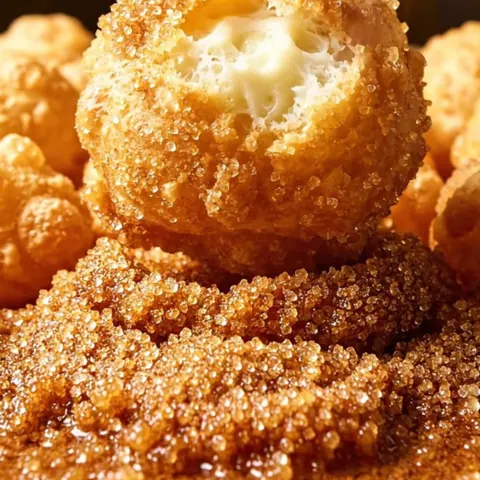
Golden Nigerian puff-puff with a cloud-soft honeycombed crumb, fried until crispy then rolled in warm cinnamon-cayenne sugar. A dangerously addictive street-food treat.
Published 12 min read
- Total time
- Prep
- Cook
- Rest
- Serves
- 12
- Makes 12 puff-puff balls
- Cuisine
- Nigerian
- Calories
- 210
- per serving, estimated

On this page15 sections
Pillow-soft Nigerian puff-puff are dangerously addictive right out of the oil. These golden, cloud-like dough balls have a crackly exterior and a honeycombed, stretchy crumb that melts in the mouth. Rolled in warm cinnamon-cayenne sugar, they balance sweet, spicy, and savory in every bite. This recipe delivers the authentic street-food experience at home, with a simple batter that fries up into perfectly puffed spheres. Serve them warm for a snack, dessert, or party favorite that disappears fast.
Puff-puff are a beloved West African street food: deep-fried, sweetened dough balls with a light, airy interior and a crispy golden crust. This version coats them in a cinnamon-cayenne sugar for a warm, spicy kick that complements the nutmeg-scented batter. The batter comes together in minutes with basic pantry staples—bread flour, yeast, sugar, and water—and the rise does the heavy lifting. Frying at the right temperature ensures they cook through without absorbing excess oil, giving that perfect contrast of crunchy outside and tender, cloud-like inside. Enjoy them fresh, warm, and generously dusted.
The appeal
Why you’ll love it
The key to puff-puff's signature texture lies in the batter's hydration and the high-protein bread flour. Bread flour provides more gluten, which creates a stretchy, elastic batter that traps air during frying. As the batter hits the hot oil, the moisture turns to steam, inflating the dough into light, airy spheres with a honeycombed crumb. The yeast adds a gentle tang and contributes to the rise, while the warm water activates the yeast and helps the batter become glossy and smooth.
Frying at 360°F (182°C) is the sweet spot: hot enough to crisp the exterior quickly, sealing in moisture, but not so hot that the outside burns before the inside cooks. The puff-puff self-flip as they fry because the bottom cooks and shrinks slightly, causing the ball to turn. This even cooking creates a uniform golden-brown crust. The cinnamon-cayenne sugar coating sticks best to warm puff-puff, so rolling them immediately after frying gives a fragrant, crunchy shell that contrasts with the pillowy interior.
What you need
Ingredients
Makes 12 puff-puff balls.
Spiced sugar coating
Contains:
- Gluten
Tools
Equipment
- Large mixing bowl
- Whisk or wooden spoon
- Plastic wrap or clean kitchen towel
- Deep heavy-bottomed pot or Dutch oven
- Deep-fry thermometer
- Slotted spoon or spider skimmer
- Paper towels
- Shallow bowl for sugar coating
Swaps
Substitutions
Instead ofBread flour
UseAll-purpose flour works, but the crumb will be slightly less chewy and airy.
Instead ofActive dry yeast
UseInstant yeast: use 5 g and skip the proofing step; mix directly into the flour.
Instead ofCayenne pepper
UseUse 1/4 tsp for a milder kick, or omit entirely for a purely sweet coating.
Instead ofVegetable oil
UsePeanut oil or canola oil are excellent for frying due to their high smoke points.
Good to know
Notes
Bread flour is ideal for puff-puff because its higher protein content yields a chewier, more structured crumb. All-purpose flour works in a pinch but produces a slightly softer, less airy result. Active dry yeast needs proofing in warm water with a pinch of sugar to ensure it is alive; if the mixture doesn't foam, the yeast is dead and should be replaced. Freshly grated nutmeg makes a noticeable difference—it has a brighter, more aromatic flavor than pre-ground nutmeg.
The spiced sugar coating is flexible: adjust the cayenne to suit your heat preference, or omit it for a purely sweet version. For a deeper spice profile, add a pinch of ground ginger or cardamom to the sugar. Use a neutral oil with a high smoke point, such as vegetable, canola, or peanut oil, for frying. A deep-fry thermometer is essential for maintaining the correct temperature; without it, the puff-puff may absorb oil and become greasy.
Prep
Before you start
Before starting, gather all ingredients and equipment. Measure the flour, sugar, and yeast. Grate the nutmeg fresh if possible. Proof the yeast in a small bowl with 2 tablespoons of the warm water and a pinch of the sugar; let it stand until foamy, about 5–10 minutes. Meanwhile, heat the oil in a deep pot to 360°F (182°C). Have a slotted spoon, paper towels, and a shallow bowl for the spiced sugar ready near the stove. The batter will need a 1-hour rise, so plan accordingly.
Step by step
Method
Phase 1
Mix and Rise
Step 1: Mix the batter
In a large mixing bowl, combine the bread flour, granulated sugar, active dry yeast, and freshly grated nutmeg. Whisk to distribute the yeast evenly. Pour in the warm water and stir with a wooden spoon until a thick, stretchy batter forms. The batter should be soft and slightly sticky, similar to a thick pancake batter. Scrape down the sides of the bowl, cover with plastic wrap or a clean kitchen towel, and let rise in a warm spot for 1 hour, until bubbly and doubled in volume.
You’ll need: bread flour · granulated sugar · active dry yeast · freshly grated nutmeg · warm water (110°F/43°C)
Look for: The batter should be bubbly, airy, and have increased noticeably in volume.
Tip: If the kitchen is cool, place the bowl near a warm oven or in a slightly warmed (but off) oven to encourage rising.
Step 2: Proof the yeast
Before mixing the batter, proof the active dry yeast in a small bowl with 2 tablespoons of the warm water and a pinch of sugar. Let stand for 5–10 minutes until foamy. This ensures the yeast is alive and active. If the mixture does not foam, discard and start with fresh yeast.
You’ll need: active dry yeast · warm water (110°F/43°C)
Look for: The yeast mixture should be frothy and bubbly on top.
Tip: Use water at 110°F (43°C); hotter water will kill the yeast.
Step 3: Combine wet and dry
After proofing, add the yeast mixture to the flour mixture along with the remaining warm water. Stir until a smooth, stretchy batter forms. The batter will be thick but should fall in a ribbon from the spoon. Do not overmix; stop as soon as no dry flour remains.
You’ll need: bread flour · granulated sugar · freshly grated nutmeg · warm water (110°F/43°C) · active dry yeast
Look for: The batter should be glossy and stretchy, pulling away from the sides slightly.
Tip: A quick stir is enough—overmixing can make the puff-puff tough.
Step 4: First rise
Cover the bowl with a clean kitchen towel or plastic wrap and set in a warm, draft-free place. Let the batter rise for 1 hour, until it is bubbly, airy, and has doubled in volume. The surface should be covered with small bubbles, and the batter should look light and spongy.
Look for: The batter should be visibly risen, with a sponge-like texture and many air pockets.
Tip: If the room is cool, the rise may take longer; wait until the batter looks airy and bubbly, not just slightly puffed.
Checkpoint
After mixing, the batter should be thick, stretchy, and glossy. During the rise, it will double in volume and become covered with small bubbles, indicating active yeast and good gluten development. The surface should look spongy and airy. If the batter has not risen after an hour, the yeast may be inactive or the environment too cool; move it to a warmer spot and wait a bit longer. The aroma should be yeasty and slightly sweet from the sugar and nutmeg.
Phase 2
Fry to Golden
Step 5: Heat the oil
Pour the vegetable oil into a deep, heavy-bottomed pot or Dutch oven, filling it no more than halfway. Heat over medium-high heat until the oil reaches 360°F (182°C) on a deep-fry thermometer. Adjust the heat to maintain this temperature throughout frying.
You’ll need: vegetable oil, for frying
Look for: The oil should shimmer and a small drop of batter should sizzle and rise immediately.
Tip: Use a thermometer for accuracy; oil that is too cool makes greasy puff-puff, too hot burns the outside before the inside cooks.
Step 6: Drop the batter
Using your hand or a small cookie scoop, squeeze walnut-sized drops of batter directly into the hot oil. Do not overcrowd the pot; fry in batches of 5–6 balls at a time. The batter will sink slightly then float to the surface.
Look for: The batter drops should sizzle immediately and begin to puff up within seconds.
Tip: Wet your hand slightly to prevent the batter from sticking when squeezing.
Step 7: Fry until golden
Fry the puff-puff for about 3 minutes, turning them occasionally with a slotted spoon, until they are deep golden brown on all sides. They will self-flip in the oil as they cook, but help them turn for even color. Remove with a slotted spoon and drain on paper towels.
Look for: The puff-puff should be evenly golden brown and puffed into spheres, with a crisp exterior.
Tip: Keep the oil at 360°F (182°C) between batches; let it reheat briefly after each batch.
Checkpoint
As the batter hits the oil, it should sizzle immediately and puff up within seconds. The puff-puff will self-flip as the bottom cooks, turning a deep golden brown. The oil should maintain a steady 360°F (182°C), producing a crisp, crackly exterior. The kitchen will smell of warm fried dough and nutmeg. Use a slotted spoon to turn any that need help, ensuring even color. Remove them when they are uniformly golden and feel light for their size.
Phase 3
Coat and Serve
Step 8: Make spiced sugar
In a shallow bowl, combine the ground cinnamon, cayenne pepper, and granulated sugar. Stir well to evenly distribute the spices.
You’ll need: ground cinnamon · cayenne pepper · granulated sugar
Look for: The sugar should be evenly tinted with cinnamon and have a faint reddish hue from the cayenne.
Tip: Adjust the cayenne to taste; start with less and add more if desired.
Step 9: Coat the puff-puff
While the puff-puff are still warm, roll them in the spiced sugar mixture until evenly coated on all sides. Shake off any excess and serve immediately.
You’ll need: ground cinnamon · cayenne pepper · granulated sugar
Look for: The coating should cling to the warm puff-puff, creating a sweet, spicy crust.
Tip: For a thicker coating, roll twice; the warmth of the puff-puff helps the sugar stick.
Checkpoint
Roll the warm puff-puff in the cinnamon-cayenne sugar until every surface is coated. The sugar will stick to the slightly oily exterior, creating a crunchy, spiced crust. The coating should be evenly distributed, with a visible reddish tint from the cayenne. The puff-puff should look inviting, with a golden-brown base and a sparkly sugar coating. Serve immediately while warm; the contrast between the crisp shell and the soft, cloud-like interior is at its peak.
Doneness
How to tell it’s done
The puff-puff are done when they are deep golden brown on all sides and have puffed into round spheres. A tester cut open should reveal a light, airy, honeycombed interior with no raw batter in the center. The exterior should be crisp and shatter slightly when bitten. If the puff-puff brown too quickly, lower the oil temperature; if they look pale and greasy, the oil is too cool. The coating should cling to the warm puff-puff, creating a crunchy, spiced crust.
Avoid these
Common mistakes
One common mistake is overcrowding the pot, which drops the oil temperature and leads to greasy, dense puff-puff. Fry in small batches and allow the oil to reheat between batches. Another issue is under-proofing the batter; if not risen enough, the puff-puff will be heavy and flat. Ensure the batter is bubbly and doubled before frying. Also, avoid overmixing the batter, which can develop too much gluten and result in tough puff-puff. Finally, do not skip the thermometer—temperature control is crucial for the perfect texture.
Better results
Tips
Tip 1
For the best texture, use a kitchen scale to measure the flour and water precisely. The batter should be thick but not stiff; if it seems too dry, add a tablespoon of warm water at a time until it reaches a stretchy consistency. Conversely, if the batter is too thin, the puff-puff will spread instead of puffing into balls. A cookie scoop can help portion the batter evenly, but squeezing from a fist creates the characteristic irregular shape.
Tip 2
To keep the puff-puff warm while frying subsequent batches, place them on a wire rack in a low oven (200°F/95°C) without the sugar coating. Coat them just before serving to prevent the sugar from melting into a sticky mess. If the sugar coating becomes clumpy, sift it before using. For an extra-crispy exterior, let the fried puff-puff drain on paper towels for a minute before coating, but do not let them cool completely—warmth helps the sugar adhere.
Make it yours
Variations
Classic Sweet Puff-Puff
Omit the cayenne pepper and increase the cinnamon to 1 1/2 tablespoons for a purely sweet, cinnamon-sugar coating. This version is a favorite for kids and those who prefer a milder spice profile.
Citrus Glaze
Skip the spiced sugar and instead whisk 1 cup confectioners' sugar with 2 tablespoons fresh orange juice and 1 teaspoon orange zest. Dip the warm puff-puff in the glaze and let set for a few minutes before serving.
Savory Herb Puff-Puff
Reduce the sugar in the batter to 2 tablespoons and add 1 teaspoon salt, 1/2 teaspoon garlic powder, and 1 tablespoon chopped fresh thyme. Omit the sugar coating and serve with a spicy dipping sauce.
Chocolate-Dipped
Melt 1/2 cup semisweet chocolate chips with 1 tablespoon coconut oil. Dip one side of the cooled puff-puff in the chocolate, then sprinkle with sea salt. Let set on parchment paper before serving.
On the table
Serving suggestions
Serve puff-puff warm, ideally within 15 minutes of frying, when the exterior is crisp and the interior is pillowy. Pile them on a platter and dust with extra cinnamon sugar or a drizzle of honey for added sweetness. They pair wonderfully with a cup of hot tea, coffee, or chilled hibiscus drink. For a party, arrange them on a skewer with fresh fruit for a playful presentation.
Puff-puff are versatile: enjoy them as a snack, dessert, or even a sweet breakfast treat. They are also delicious with a savory dipping sauce, such as a spicy pepper sauce or a tangy yogurt dip, for a contrast of flavors. For a more indulgent version, serve with a scoop of vanilla ice cream or a dusting of powdered sugar. The spiced sugar coating makes them stand out, but they are equally delightful plain or with a simple glaze.
Leftovers
Storage & make-ahead
- Fridge
- Store leftover puff-puff in an airtight container at room temperature for up to 2 days. Refrigerating is not recommended as it dries them out.
- Freezer
- Freeze uncoated puff-puff in a single layer on a baking sheet, then transfer to a freezer bag for up to 1 month. Reheat in a 350°F (175°C) oven for 5 minutes.
- Reheat
- Reheat frozen puff-puff in a 350°F (175°C) oven for 5-7 minutes, then roll in spiced sugar while warm.
Store leftover puff-puff in an airtight container at room temperature for up to 2 days. They will lose their crispness but remain soft and flavorful. To refresh, warm them in a 350°F (175°C) oven for 5 minutes, then re-coat with spiced sugar if desired. Avoid refrigerating, as it dries them out. For longer storage, freeze uncoated puff-puff in a single layer, then transfer to a freezer bag for up to 1 month.
Make ahead
The batter can be prepared up to 2 hours ahead and kept covered in the refrigerator after the first rise. Punch it down, refrigerate, and let it come to room temperature for 30 minutes before frying. Alternatively, fry the puff-puff completely, let them cool, and store uncoated in the refrigerator for up to 1 day. Reheat in a 350°F (175°C) oven for 5 minutes before coating and serving. The spiced sugar can be mixed ahead and stored in an airtight jar for up to 2 weeks.
Questions
Frequently asked questions
Why do the puff-puff come out greasy?
Greasy puff-puff are usually the result of oil that is not hot enough. When the oil is below 350°F (175°C), the batter absorbs oil instead of frying quickly. Use a deep-fry thermometer to maintain 360°F (182°C) and fry in small batches so the temperature does not drop too much. Also, ensure the batter is not too thin; a thick, stretchy batter fries up light and crisp.
Can the batter be made without yeast?
Yeast is essential for the light, airy texture of puff-puff. Without it, the batter will not rise and the puff-puff will be dense and heavy. If active dry yeast is unavailable, instant yeast can be used in a smaller amount (5 g) and mixed directly into the flour. Baking powder is not a suitable substitute because it does not provide the same fermentation and flavor.
How can the puff-puff be kept warm for a party?
After frying, place the puff-puff on a wire rack set over a baking sheet in a 200°F (95°C) oven. Do not coat them with sugar until just before serving, as the sugar will melt and become sticky. They can stay warm in the oven for up to 30 minutes without drying out. Re-coat with spiced sugar right before serving for the best texture.
What is the best oil for frying puff-puff?
Use a neutral oil with a high smoke point, such as vegetable, canola, peanut, or sunflower oil. These oils can withstand the 360°F (182°C) frying temperature without burning or imparting off-flavors. Avoid olive oil or butter, which have lower smoke points and will burn. The oil can be strained and reused once or twice for frying, but discard it if it smells rancid or foams excessively.
Why did the puff-puff not puff up into balls?
If the puff-puff flatten instead of puffing, the batter may be too thin or the oil not hot enough. Ensure the batter is thick enough to hold its shape when dropped from a spoon. Also, the oil must be at 360°F (182°C) so the exterior sets quickly, trapping steam and causing the ball to inflate. Overmixing the batter can also deflate the air bubbles, so stir just until combined.
Everything in one place: the recipe card below gathers the ingredients, steps and estimated nutrition, ready to print.
Recipe card
Crispy Spiced Puff-Puff: Pillow-Soft Nigerian Doughnuts
Golden Nigerian puff-puff with a cloud-soft honeycombed crumb, fried until crispy then rolled in warm cinnamon-cayenne sugar. A dangerously addictive street-food treat.
- Prep
- Cook
- Rest
- Total
- Servings
- 12 puff-puff balls
Ingredients
- 300 g bread flour
- 70 g granulated sugar
- 7 g active dry yeast
- 1/2 tsp freshly grated nutmeg
- 260 ml warm water (110°F/43°C)
- 4 cups vegetable oil, for frying
Spiced sugar coating
- 1 tbsp ground cinnamon
- 1/2 tsp cayenne pepper
- 1/2 cup granulated sugar
Instructions
Mix the batter. In a large mixing bowl, combine the bread flour, granulated sugar, active dry yeast, and freshly grated nutmeg. Whisk to distribute the yeast evenly. Pour in the warm water and stir with a wooden spoon until a thick, stretchy batter forms. The batter should be soft and slightly sticky, similar to a thick pancake batter. Scrape down the sides of the bowl, cover with plastic wrap or a clean kitchen towel, and let rise in a warm spot for 1 hour, until bubbly and doubled in volume.
Proof the yeast. Before mixing the batter, proof the active dry yeast in a small bowl with 2 tablespoons of the warm water and a pinch of sugar. Let stand for 5–10 minutes until foamy. This ensures the yeast is alive and active. If the mixture does not foam, discard and start with fresh yeast.
Combine wet and dry. After proofing, add the yeast mixture to the flour mixture along with the remaining warm water. Stir until a smooth, stretchy batter forms. The batter will be thick but should fall in a ribbon from the spoon. Do not overmix; stop as soon as no dry flour remains.
First rise. Cover the bowl with a clean kitchen towel or plastic wrap and set in a warm, draft-free place. Let the batter rise for 1 hour, until it is bubbly, airy, and has doubled in volume. The surface should be covered with small bubbles, and the batter should look light and spongy.
Heat the oil. Pour the vegetable oil into a deep, heavy-bottomed pot or Dutch oven, filling it no more than halfway. Heat over medium-high heat until the oil reaches 360°F (182°C) on a deep-fry thermometer. Adjust the heat to maintain this temperature throughout frying.
Drop the batter. Using your hand or a small cookie scoop, squeeze walnut-sized drops of batter directly into the hot oil. Do not overcrowd the pot; fry in batches of 5–6 balls at a time. The batter will sink slightly then float to the surface.
Fry until golden. Fry the puff-puff for about 3 minutes, turning them occasionally with a slotted spoon, until they are deep golden brown on all sides. They will self-flip in the oil as they cook, but help them turn for even color. Remove with a slotted spoon and drain on paper towels.
Make spiced sugar. In a shallow bowl, combine the ground cinnamon, cayenne pepper, and granulated sugar. Stir well to evenly distribute the spices.
Coat the puff-puff. While the puff-puff are still warm, roll them in the spiced sugar mixture until evenly coated on all sides. Shake off any excess and serve immediately.
Allergens: Gluten
Nutrition (estimated, per serving)
- Calories
- 210 kcal
- Protein
- 3 g
- Carbs
- 34 g
- Fat
- 7 g
Estimates only: values vary with brands, substitutions and portion sizes.
Recipe by EasyCooks Kitchen · easycooksrecipes.com
Share this recipe
Send it to someone who’d love it, or save it for later.
Spotted a mistake in this recipe? Let us know.
Keep cooking


