Chocolate Wacky Cake with Fudgy Chocolate Frosting, No Eggs or Dairy
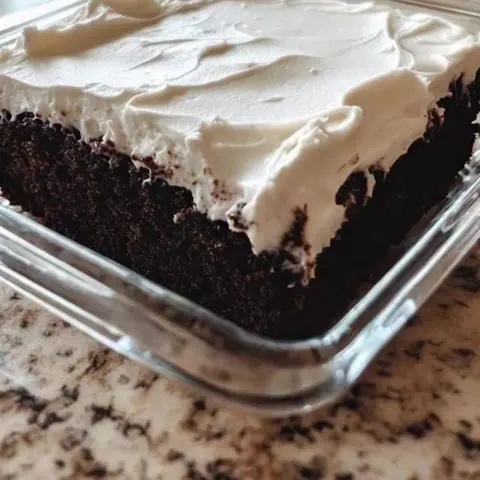
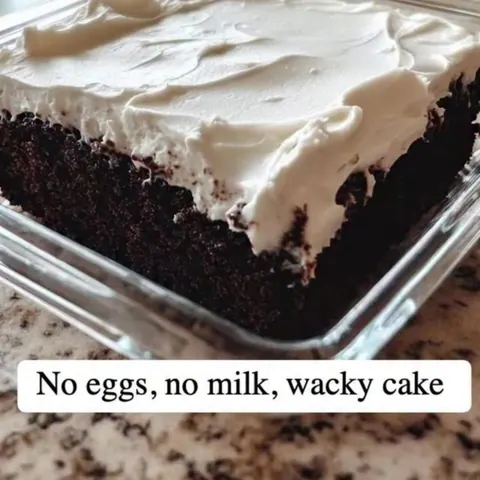
A moist, tender chocolate cake made without eggs or dairy, baked in one square dish and finished with velvety chocolate frosting that slices clean and stays rich.
Published 12 min read
- Total time
- Prep
- Cook
- Rest
- Serves
- 9
- Makes one 8-inch square cake, 9 pieces
- Cuisine
- American
- Calories
- 420
- per serving, estimated

On this page15 sections
Craving a rich chocolate cake with no eggs and no dairy? This wacky cake bakes in one square dish, stays moist and tender in every bite, and carries a velvety chocolate frosting that slices cleanly. You need one bowl for the batter and a small pan for the frosting, and the whole recipe comes together in about an hour, including cooling time.
Chocolate wacky cake, sometimes called crazy cake, is a classic American one-bowl recipe built on pantry staples. It skips eggs and butter entirely, relying on vinegar and baking soda for lift and oil for a moist, fudgy crumb. Here it is finished with a glossy chocolate frosting made with dairy-free dark chocolate and refined coconut oil, so the whole dessert is free of eggs and dairy. The cake is sliced into nine squares straight from the dish, which makes it an easy choice for a weeknight treat, a potluck or a birthday that needs no special equipment.
The appeal
Why you’ll love it
The acid in the white vinegar reacts with the baking soda as soon as the liquids go in, producing carbon dioxide bubbles that lift the batter. Because the reaction starts immediately, the batter should go into the oven without waiting, which is why the wet ingredients are added in one quick step. The oil keeps the crumb tender and moist for days, while the cocoa adds deep chocolate flavor without any dairy.
Mixing the dry ingredients first and creating wells for the liquids keeps the batter smooth with minimal stirring. Overmixing develops gluten in the flour and produces a tough, dense cake, so whisk only until everything is evenly combined. A square glass dish spreads the batter evenly and conducts heat steadily, which gives a cake that bakes through at the edges and center at the same time.
What you need
Ingredients
Makes one 8-inch square cake, 9 pieces.
Cake
Frosting
Contains:
- Gluten
- Soy
Tools
Equipment
- 8-inch square glass baking dish
- Mixing bowl
- Whisk
- Offset spatula
- Small saucepan
- Sifter
Swaps
Substitutions
Instead ofDairy-free dark chocolate
UseCheck that the bar is labeled dairy-free; a plain dark chocolate contains milk and changes the allergen profile.
Instead ofRefined coconut oil
UseUse the same amount of refined coconut oil only; unrefined oil adds a coconut flavor that is not part of the dish.
Instead ofWhite vinegar
UseApple cider vinegar works as the acid, though it adds a faint fruity note.
Good to know
Notes
Choose a dairy-free dark chocolate bar that is clearly labeled as dairy-free, since many dark chocolates contain milk. Refined coconut oil melts smoothly and has a neutral flavor, which keeps the frosting tasting of chocolate rather than coconut. Sift the confectioners' sugar before using it so the frosting stays silky and free of lumps.
An 8-inch square glass baking dish is the right size for this batter, and glass lets you see the edges browning as the cake bakes. A whisk and a sifter cover most of the work, and an offset spatula gives the cleanest frosting finish. A small saucepan set over a second pan of barely simmering water is the easiest way to melt the chocolate gently without scorching it.
Prep
Before you start
Gather every ingredient and measure it before you start, since the batter comes together quickly once the liquids go in. Heat the oven to 350°F (175°C) and set the rack in the center. Grease the 8-inch square glass baking dish with a thin layer of oil so the cake releases cleanly. Sift the flour and confectioners' sugar, chop the dairy-free dark chocolate into small pieces, and measure the warm water. Have the offset spatula, whisk and small saucepan within reach. Keeping the vinegar and baking soda separate until you add the liquids is important, because the reaction starts as soon as they meet, so have the batter ready to pour into the dish right after the wells are filled and the water is poured in.
Step by step
Method
Phase 1
Batter in the baking dish
Step 1: Mix the dry ingredients
Heat the oven to 350°F (175°C) and grease the 8-inch square glass baking dish. In a large bowl, whisk the sifted flour, sugar, cocoa powder, baking soda and fine salt until no lumps of cocoa remain.
You’ll need: all-purpose flour · granulated sugar · unsweetened cocoa powder · baking soda · fine salt
Look for: The mixture looks uniformly dark brown with no pockets of loose cocoa powder.
Tip: Sifting the flour and whisking the cocoa with the dry ingredients prevents streaks in the finished crumb.
Step 2: Add the wet ingredients
Make three wells in the dry mixture. Pour the white vinegar into one, the vanilla extract into another and the vegetable oil into the third. Pour the cold water over everything and whisk until the batter is smooth and evenly dark.
You’ll need: white vinegar · vanilla extract · vegetable oil · cold water
Look for: The batter is smooth, pourable and free of dry flour pockets.
Tip: Whisk only until smooth; overmixing makes the cake tougher.
Checkpoint
The batter is smooth, evenly dark and pourable, with no dry pockets of flour or cocoa at the bottom of the bowl. When you lift the whisk, the batter drips back in a thin, steady stream rather than clumping. The vinegar and baking soda have already started reacting, so the batter should look slightly airy and lighter in color at the edges. Spread it into the greased dish right away, reaching all four corners, and tap the dish gently on the counter to release any large air bubbles. Check that the batter is level before it goes into the oven, because a sloped batter bakes unevenly and gives one thin side and one thick side.
Phase 2
Baked and cooled cake
Step 3: Bake the cake
Pour the batter into the greased dish and spread it evenly to the corners. Bake for 30 to 35 minutes, until a toothpick inserted in the center comes out with a few moist crumbs and the top springs back lightly.
You’ll need: all-purpose flour · granulated sugar · unsweetened cocoa powder · vegetable oil · cold water
Look for: The top springs back when pressed and the edges pull slightly from the glass.
Tip: Start checking at 30 minutes, since oven strength varies.
Step 4: Cool the cake
Set the dish on a rack and let the cake cool in the pan for at least 30 minutes before frosting. The cake should feel fully cooled to the touch in the center.
You’ll need: all-purpose flour
Look for: The surface is no longer steaming and the cake feels cool in the center.
Tip: Frosting a warm cake makes the chocolate layer slide and thin out.
Checkpoint
After 30 to 35 minutes, the cake has risen evenly, the top looks set and dry at the edges, and the center springs back lightly when pressed. A toothpick inserted in the middle should come out with a few moist crumbs attached rather than wet batter. The aroma is deep and chocolatey, with no burnt smell. Let the cake cool in the dish on a rack for at least 30 minutes until the center feels cool. Do not start the frosting while the cake still steams, because heat melts the chocolate layer and makes it slide off the edges.
Phase 3
Glossy chocolate frosting
Step 5: Melt the chocolate and coconut oil
Place the chopped dairy-free dark chocolate and refined coconut oil in a small heatproof bowl set over a pan of barely simmering water. Stir gently until fully melted and smooth, then remove from the heat.
You’ll need: dairy-free dark chocolate, chopped · refined coconut oil
Look for: The mixture is glossy, smooth and free of lumps.
Tip: Keep the bowl off direct heat and avoid water touching the chocolate.
Step 6: Make the frosting
Whisk the sifted confectioners' sugar into the melted chocolate mixture, then add the warm water one tablespoon at a time. Keep whisking until the frosting is thick, glossy and spreadable.
You’ll need: confectioners' sugar · warm water · dairy-free dark chocolate, chopped · refined coconut oil
Look for: The frosting holds a soft peak and spreads smoothly without dragging.
Tip: Add the water slowly; too much makes the frosting thin and runny-looking.
Step 7: Frost and slice the cake
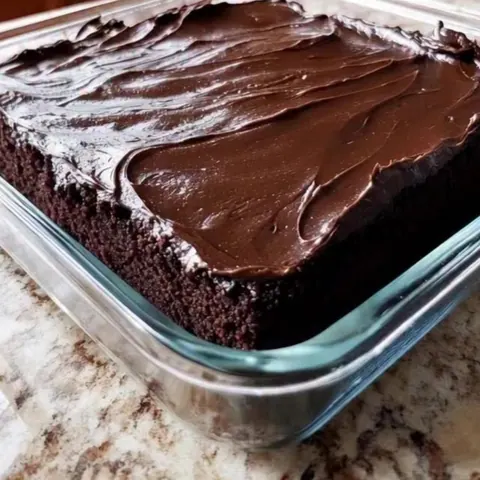
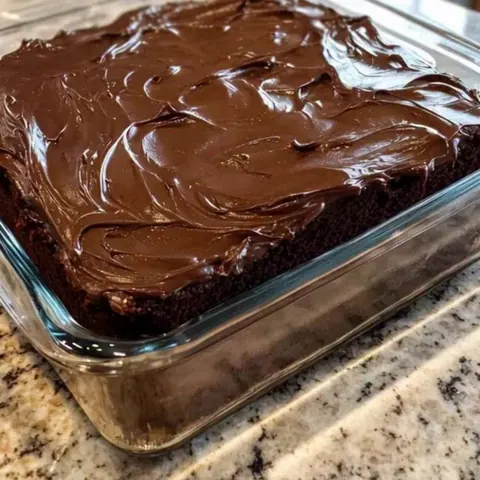
Spread the frosting over the cooled cake with an offset spatula in smooth, even strokes. Let it set for a few minutes, then cut the cake into nine squares and serve.
You’ll need: dairy-free dark chocolate, chopped · confectioners' sugar · warm water
Look for: The frosting is smooth, shiny and set enough to cut cleanly.
Tip: Dip the knife in hot water and wipe it between cuts for neat squares.
Checkpoint
The melted chocolate and coconut oil combine into a smooth, glossy liquid with no streaks or lumps. Once the confectioners' sugar and warm water are whisked in, the frosting should be thick, shiny and able to hold a soft peak on the whisk. It should spread slowly and evenly with the offset spatula, leaving smooth lines rather than dragging or crumbling. If it looks too stiff, add a few drops of warm water; if it looks loose, whisk in a little more sifted confectioners' sugar. Frost the cooled cake now, while the frosting is spreadable, and then let it set briefly before cutting into nine squares.
Doneness
How to tell it’s done
The cake is done when the top springs back lightly under a gentle press, the edges have pulled slightly away from the glass, and a toothpick inserted in the center comes out with a few moist crumbs and no wet batter. Because this cake contains no meat, poultry or eggs, there is no protein safe-temperature target to reach. Once cooled, the frosting is ready when it is thick, glossy and spreads smoothly without dragging. The finished frosting should hold its shape on the cake and set enough to cut cleanly into nine squares after about ten minutes at room temperature.
Avoid these
Common mistakes
The most common mistake is overmixing the batter after the wet ingredients go in, which develops gluten and leaves the cake dense and rubbery instead of tender. Whisk only until no dry flour remains. Another frequent error is letting the vinegar and baking soda sit too long before baking, since the leavening reaction is fastest at the start and the cake can rise less in the oven. Frosting a warm cake is also a problem, because the chocolate melts into the crumb and runs down the sides of the dish. Finally, using a plain dark chocolate that contains milk defeats the purpose of this eggless and dairy-free dessert, so check the label before you melt it.
Better results
Tips
Tip 1
Measure the flour by spooning it into the cup and leveling it off, rather than scooping directly from the bag, which packs in extra flour and makes the cake dry. Sifting after measuring keeps the crumb light and prevents cocoa lumps from showing up as dark specks in the finished slices.
Tip 2
Keep the cake in its dish for frosting and slicing, since the square shape gives clean, even pieces and the glass holds the cake steady as you work. Warm the knife in hot water and wipe it clean between cuts to keep each square sharp at the edges and the frosting unbroken.
Make it yours
Variations
Orange-scented version
Add the finely grated zest of one orange to the dry ingredients before whisking. The bright citrus pairs well with the dark cocoa and the chocolate frosting, giving a fresh finish without any dairy or eggs.
Mocha cake
Replace the cold water with cooled strong brewed coffee in the batter. The coffee deepens the chocolate flavor and keeps the crumb moist, and the frosting can stay the same for a rich, bittersweet result.
Peppermint frosting
Stir a quarter teaspoon of peppermint extract into the finished frosting before spreading it. The cool mint lifts the dark chocolate and suits a holiday table, and the cake remains free of eggs and dairy.
Cinnamon chocolate
Add half a teaspoon of ground cinnamon to the dry ingredients when you whisk them together. The warm spice complements the cocoa and gives the square cake a comforting, bakery-style aroma while the recipe stays the same otherwise.
On the table
Serving suggestions
Serve each square at room temperature so the frosting is soft and the crumb is at its most tender. A simple glass of cold milk or a cup of black coffee complements the deep chocolate flavor without competing with it. For a relaxed gathering, cut the cake into nine squares on a flat platter and offer it with fresh berries on the side, which add a bright contrast to the rich frosting.
For a celebration, present the whole square dish on the table and let guests cut their own pieces with a small offset spatula. The cake works well at the end of a casual dinner, at a birthday party or as a potluck dessert that travels easily in its dish. Keep the dish covered until service, and bring it to room temperature for about thirty minutes before cutting so that the slices hold a clean edge.
Leftovers
Storage & make-ahead
- Fridge
- Refrigerating the frosted cake makes the frosting firm, so let it stand at room temperature before serving for the best texture.
- Freezer
- Wrap unfrosted cooled cake layers tightly and freeze for up to two months, then thaw covered at room temperature before frosting.
- Reheat
- No reheating is needed; serve the cake at room temperature, and warm a slice gently for a few seconds only if you prefer it softer.
Store the frosted cake in a covered container at cool room temperature for up to two days, which keeps the crumb moist and the frosting set. Keep the cake away from direct sunlight and heat, which can soften the chocolate frosting and make it sticky on the surface. Cover the dish tightly with a lid or plastic wrap once it has fully set, so the cake does not dry out at the cut edges. Slice only the portion you plan to serve, and keep the rest covered so the exposed crumb stays tender for the following days.
Make ahead
The cake can be baked a day ahead and kept covered at room temperature, which often makes the crumb even more tender. Wrap the cooled, unfrosted cake well in plastic wrap so it does not dry out. Make the frosting shortly before serving, since it sets firm as it stands, though you can rewarm it gently over barely simmering water and whisk it back to a spreadable texture. Frost the cake once it is fully cooled, then let the frosting set before covering it for the rest of the day.
Questions
Frequently asked questions
Why does this cake contain vinegar?
The vinegar reacts with the baking soda to produce carbon dioxide, which lifts the batter and gives a light, even crumb. Because the cake has no eggs or butter to help it rise, this acid and alkali pairing does the work. You will not taste the vinegar once the cake is baked and frosted, since its sharpness disappears in the oven and the chocolate flavor dominates. Use white vinegar for the cleanest result, or apple cider vinegar if you prefer a faint fruity note.
Can this chocolate cake be made without eggs or dairy?
Yes, the cake itself uses oil and water rather than eggs or milk, and the frosting uses dairy-free dark chocolate with refined coconut oil. Check the label on the chocolate, since many dark chocolate bars contain milk even when they look plain. Once that ingredient is confirmed dairy-free, the whole dessert is free of eggs and dairy. Always read labels on any other item you use, including the sugar and flour brands, to be certain of the allergen content.
Why is the batter best baked straight away?
The reaction between the vinegar and baking soda begins as soon as the liquids are added, and it is strongest at the start. Waiting before the batter goes into the oven can reduce the rise and leave the cake denser. Pour the batter into the greased dish right after the water is whisked in, and move it promptly to the preheated oven. Keep the oven at 350°F (175°C) and check the cake at 30 minutes.
How do you keep the frosting smooth and glossy?
Sift the confectioners' sugar before whisking it into the melted chocolate and coconut oil, so no lumps remain. Add the warm water a tablespoon at a time, which gives you control over the texture. If the frosting turns too thick, a few more drops of warm water will loosen it, and if it turns too thin, a little more sifted sugar will firm it up. Spread it on a fully cooled cake, since a warm cake melts the frosting and makes it slide.
How long does the frosted cake keep?
The frosted cake keeps well in a covered container at cool room temperature for up to two days. Keep it away from direct sunlight and heat, which can soften the frosting. Cut only the slices you plan to serve, and keep the rest covered so the crumb stays moist. Refrigerating the cake firms the frosting, so bring it back to room temperature before serving for the best texture and flavor.
Everything in one place: the recipe card below gathers the ingredients, steps and estimated nutrition, ready to print.
Recipe card
Chocolate Wacky Cake with Fudgy Chocolate Frosting, No Eggs or Dairy
A moist, tender chocolate cake made without eggs or dairy, baked in one square dish and finished with velvety chocolate frosting that slices clean and stays rich.
- Prep
- Cook
- Rest
- Total
- Servings
- one 8-inch square cake, 9 pieces
Ingredients
Cake
- 1 1/2 cups all-purpose flour, sifted
- 1 cup granulated sugar
- 1/4 cup unsweetened cocoa powder
- 1 tsp baking soda
- 1/2 tsp fine salt
- 1 tbsp white vinegar
- 1 tsp vanilla extract
- 1/3 cup vegetable oil
- 1 cup cold water
Frosting
- 4 oz dairy-free dark chocolate, chopped
- 1/4 cup refined coconut oil
- 1 1/2 cups confectioners' sugar, sifted
- 2 tbsp warm water
Instructions
Mix the dry ingredients. Heat the oven to 350°F (175°C) and grease the 8-inch square glass baking dish. In a large bowl, whisk the sifted flour, sugar, cocoa powder, baking soda and fine salt until no lumps of cocoa remain.
Add the wet ingredients. Make three wells in the dry mixture. Pour the white vinegar into one, the vanilla extract into another and the vegetable oil into the third. Pour the cold water over everything and whisk until the batter is smooth and evenly dark.
Bake the cake. Pour the batter into the greased dish and spread it evenly to the corners. Bake for 30 to 35 minutes, until a toothpick inserted in the center comes out with a few moist crumbs and the top springs back lightly.
Cool the cake. Set the dish on a rack and let the cake cool in the pan for at least 30 minutes before frosting. The cake should feel fully cooled to the touch in the center.
Melt the chocolate and coconut oil. Place the chopped dairy-free dark chocolate and refined coconut oil in a small heatproof bowl set over a pan of barely simmering water. Stir gently until fully melted and smooth, then remove from the heat.
Make the frosting. Whisk the sifted confectioners' sugar into the melted chocolate mixture, then add the warm water one tablespoon at a time. Keep whisking until the frosting is thick, glossy and spreadable.
Frost and slice the cake. Spread the frosting over the cooled cake with an offset spatula in smooth, even strokes. Let it set for a few minutes, then cut the cake into nine squares and serve.
Allergens: Gluten, Soy
Nutrition (estimated, per serving)
- Calories
- 420 kcal
- Protein
- 4.5 g
- Carbs
- 60 g
- Fat
- 19 g
- Fiber
- 2.5 g
- Sugar
- 42 g
- Sodium
- 260 mg
Estimates only: values vary with brands, substitutions and portion sizes.
Recipe by EasyCooks Kitchen · easycooksrecipes.com
Share this recipe
Send it to someone who’d love it, or save it for later.
Spotted a mistake in this recipe? Let us know.
Keep cooking
More dessert recipes
Desserts
Sugar-Free Turtle Cake with Gooey Caramel, Pecans and Chocolate Frosting
Total time: 1 hr 30 mins