Crispy Kimchi and Cheese Mandu with Savory Dipping Sauce
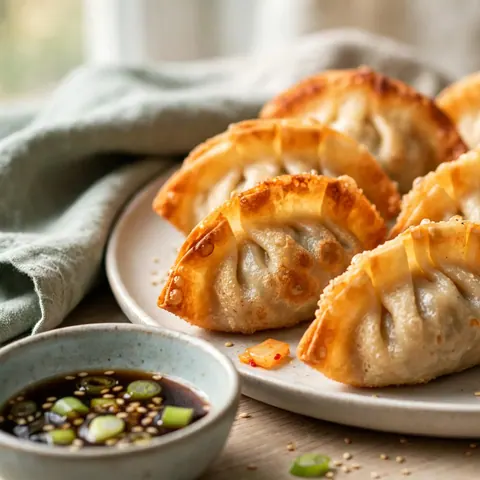
These crispy kimchi and cheese mandu are packed with tangy, fermented flavor and a satisfyingly stretchy mozzarella pull. Pan-seared to golden perfection in perilla oil, they offer an incredible crunch that pairs beautifully with a simple soy-vinegar scallion dipping sauce.
Published 11 min read
- Total time
- Prep
- Cook
- Rest
- Serves
- 4
- Makes 12 to 16 dumplings
- Cuisine
- Korean
- Calories
- 320
- per serving, estimated

On this page16 sections
Elevate your appetizer game with these crispy kimchi and cheese mandu, a delightful fusion of traditional Korean flavors and modern comfort. These dumplings are perfectly pan-seared to achieve an incredible golden crunch that gives way to a savory, spicy, and ultra-cheesy center. Each bite offers a harmonious balance of tangy fermented kimchi, rich pork belly, and gooey mozzarella, all brought together by a fragrant hint of sesame oil and finished with a sharp, refreshing soy-vinegar dipping sauce.
Creating professional-quality mandu at home is a rewarding culinary experience that brings the vibrant tastes of a bustling Korean kitchen directly to your table. This recipe focuses on the essential techniques for achieving the perfect crispy crust while maintaining a tender, flavorful interior. By using high-quality ingredients like aged napa kimchi and fresh pork belly, you ensure that every dumpling is packed with depth and character. Follow these steps to master the art of the perfect, golden-brown kimchi dumpling every single time.
The appeal
Why you’ll love it
The secret to a perfect mandu lies in the balance of textures and the preparation of the filling. By squeezing the fermented kimchi dry, you remove excess moisture that would otherwise steam the wrapper from the inside, preventing it from achieving that signature shatteringly crisp exterior. The addition of pork belly provides a necessary richness that mellows the sharp acidity of the kimchi, while the mozzarella cheese adds a creamy, indulgent element that creates a delightful contrast with the spicy, tangy notes of the fermented vegetables.
Pan-searing in perilla oil is another critical component of this method. Perilla oil possesses a unique, nutty profile that complements the earthy flavors of the kimchi far better than neutral oils. Cooking the dumplings over medium-high heat ensures that the wrappers brown evenly without burning, resulting in a consistent crunch across the entire surface. This precise heat management allows the interior to cook through and the cheese to reach its optimal melting point, resulting in a cohesive, satisfying bite that is both crunchy and incredibly flavorful.
What you need
Ingredients
Makes 12 to 16 dumplings.
Filling
Assembly
Cooking
Dipping Sauce
Contains:
- Gluten
- Soy
- Milk
- Sesame
Tools
Equipment
- Chef knife
- Mixing bowl
- Non-stick skillet
- Cutting board
- Tongs
Swaps
Substitutions
Instead ofPork belly
UseGround pork or finely chopped firm tofu for a lighter texture.
Instead ofPerilla oil
UseVegetable or canola oil, though perilla provides a unique nutty aroma.
Instead ofMozzarella
UseMonterey Jack or mild provolone for similar melting characteristics.
Good to know
Notes
When selecting ingredients for this recipe, look for well-aged kimchi. The older the kimchi, the more developed its sour and tangy flavor profile becomes, which is essential for cutting through the richness of the pork and the creaminess of the cheese. If you cannot find aged kimchi, you can leave fresh kimchi at room temperature for an extra day or two before preparation to encourage fermentation. Ensure the pork belly is diced into very small, uniform pieces so it cooks evenly and integrates perfectly into the filling.
For the equipment, a high-quality non-stick skillet is indispensable for this recipe. It allows for easy flipping and ensures the delicate wrappers do not stick or tear during the searing process. If you find the dumplings are browning too quickly before the pork is fully cooked, reduce the heat slightly and cover the skillet for a minute to trap a small amount of steam. This will gently finish the cooking process while preserving the crispness of the exterior, ensuring a perfectly cooked result every time.
Prep
Before you start
Before you begin cooking, ensure your workspace is clean and all ingredients are prepped. Squeeze the kimchi thoroughly using a clean kitchen towel or cheesecloth to remove as much liquid as possible, as this is vital for the final texture. Dice the pork belly into small, even cubes to ensure they cook through quickly during the short searing time. Have your dumpling wrappers, oil, and dipping sauce ingredients ready within reach so you can move smoothly through the assembly and cooking phases without delay.
Step by step
Method
Phase 1
Filling and Assembly
Step 1: Prepare the Kimchi Filling
Place the squeezed napa kimchi into a mixing bowl. Add the finely diced pork belly, shredded or diced mozzarella cheese, and the sesame oil. Mix these ingredients thoroughly until the pork is evenly distributed throughout the tangy kimchi and the cheese is well integrated into the mixture, ensuring a cohesive filling that is ready to be portioned into the dumpling wrappers.
You’ll need: aged fermented napa kimchi · diced pork belly · mozzarella cheese · sesame oil
Look for: The mixture should be well combined and the pork belly should be evenly coated with the sesame oil and kimchi juices.
Tip: Ensure the kimchi is squeezed very dry to prevent the wrappers from becoming soggy during the pan-searing process.
Step 2: Assemble the Dumplings
Take a dumpling wrapper and place a generous spoonful of the kimchi-pork-cheese mixture in the center. Carefully fold the wrapper over to form a half-moon shape, pressing the edges firmly to seal them completely. Make sure there are no air pockets inside the dumpling to prevent them from bursting during the high-heat cooking process in the skillet, maintaining the integrity of the crispy exterior.
You’ll need: dumpling wrappers
Look for: The edges of the wrapper should be tightly sealed, forming a clean half-moon shape without any filling escaping the seams.
Tip: Use a small amount of water on your fingertips to moisten the edges of the wrapper to ensure a perfect seal.
Checkpoint
The filling should be a vibrant, well-combined mixture where the pork is evenly distributed among the kimchi and cheese. The assembled dumplings must be tightly sealed, with no visible gaps or tears in the wrappers. Check that each dumpling is uniform in size to ensure they cook at the same rate. If you notice any loose edges, use a tiny amount of water to re-seal them firmly, ensuring the filling remains contained and the shape is preserved before moving to the heat.
Phase 2
Pan-Searing Process
Step 3: Pan-Sear the Dumplings
Heat perilla oil in a non-stick skillet over medium-high heat until shimmering. Carefully add the dumplings without overcrowding. Pan-sear for 5 minutes total, turning until both sides develop a crackling amber crust and the pork belly reaches an internal temperature of 145°F (63°C). Transfer the dumplings to a plate and let the meat rest at least 3 minutes before serving.
You’ll need: perilla oil · diced pork belly
Internal temperature 145°F (63°C)
Look for: The crust should be a dark golden brown and sound crackling when tapped lightly with a pair of metal tongs.
Tip: Do not overcrowd the skillet, as this will lower the temperature and prevent the dumplings from achieving a crispy crust.
Checkpoint
During the searing phase, listen for a consistent crackling sound as the wrappers make contact with the hot oil. The dumplings should develop a beautiful, dark golden crust on both sides. Check that the oil is shimmering but not smoking, as this indicates the correct temperature for frying. If the dumplings are browning too rapidly, lower the heat slightly to allow the filling to heat through properly while maintaining the crispness of the exterior crust until they are fully golden and delicious.
Phase 3
Final Presentation
Step 4: Serve the Mandu
Once the dumplings are golden brown and crispy on both sides, remove them from the skillet and transfer them to a serving plate. Serve the hot dumplings immediately while the cheese is still melted and stretchy. Provide the soy-vinegar scallion sauce on the side for dipping, which adds a refreshing acidity that perfectly balances the rich, savory, and spicy notes of the fried kimchi and cheese filling.
You’ll need: soy-vinegar scallion sauce
Look for: The cheese should be visibly melted and stretchy when the dumpling is pulled apart with a knife or fork.
Tip: Serve these immediately to enjoy the contrast between the hot, gooey interior and the crisp, crunchy exterior of the wrapper.
Checkpoint
Upon completion, the dumplings should look appetizing with a deep amber, crispy exterior. The cheese should be perfectly melted and integrated into the filling. Ensure the dumplings are served immediately while hot to enjoy the contrast between the crispy wrapper and the savory, gooey center. The dipping sauce should be prepared and ready to serve on the side, providing the perfect acidic finish to each bite. Verify the pork is fully cooked and the overall texture is firm and satisfyingly crunchy.
Doneness
How to tell it’s done
The dumplings are done when both sides are a deep, golden amber color and the crust feels firm and crispy to the touch. The internal temperature of the pork belly filling should reach at least 145°F (63°C) to ensure it is thoroughly cooked, followed by a brief 3-minute rest. When you slice into a dumpling, the cheese should be visibly melted and pull away in long, stretchy strings, while the kimchi and pork mixture should be steaming hot and aromatic. The wrappers should be completely cooked through and maintain their structural integrity.
Avoid these
Common mistakes
A common mistake is failing to remove enough moisture from the kimchi, which results in a limp, soggy dumpling that lacks the desired crunch. Another error is overcrowding the skillet, which causes the temperature to drop and leads to greasy, unevenly browned dumplings. Avoid using too much filling, as it can cause the wrappers to burst during the searing process. Finally, ensure the heat is not too high, which would burn the exterior before the pork is cooked through, so monitor the skillet closely throughout.
Cook safely
Food safety
Safe internal temperatures
Cook to at least these temperatures, measured with an instant-read thermometer in the thickest part.
| Food | Minimum internal temperature |
|---|---|
| Whole cuts of meat | 145°F (63°C)Then rest at least 3 minutes |
Better results
Tips
Tip 1
For an even deeper flavor, consider adding a finely minced garlic clove or a small amount of ginger to the kimchi filling. These aromatics pair exceptionally well with the tanginess of the fermented cabbage and the richness of the pork belly. Additionally, if you prefer a spicier dumpling, you can stir in a teaspoon of Korean red pepper flakes, known as gochugaru, which will intensify the heat and provide a vibrant color to the interior mixture, enhancing the overall presentation of the dish.
Tip 2
If you are preparing a large batch, you can partially cook the dumplings in advance and then flash-freeze them on a baking sheet before transferring them to a freezer-safe bag. When you are ready to serve, simply place the frozen dumplings directly into the skillet with a bit of oil and cook them over medium heat until they are golden brown and heated through. This makes it incredibly easy to enjoy these crispy, cheesy snacks at any time without the need for extensive preparation.
Make it yours
Variations
Vegetarian Kimchi Dumplings
Replace the pork belly with finely chopped firm tofu or sautéed mushrooms. Ensure the mushrooms are cooked until all their moisture has evaporated before mixing them with the kimchi and cheese to maintain the ideal filling texture.
Spicy Kimchi-Tuna Mandu
Substitute the pork belly with high-quality canned tuna, drained very well. The tuna adds a different texture and a savory depth that pairs wonderfully with the tangy kimchi and melted mozzarella cheese for a quick alternative.
Extra Cheesy Kimchi Mandu
Incorporate a blend of mozzarella and sharp cheddar cheese for a more complex flavor profile. The sharp cheddar provides a bold contrast to the tang of the kimchi, creating an even more indulgent and savory dumpling experience.
Green Onion and Kimchi Mandu
Add a generous amount of finely sliced scallions to the filling mixture. The fresh, sharp bite of the green onions complements the fermented kimchi and adds a bright, herbal note that enhances the overall flavor of the dumplings.
On the table
Serving suggestions
Serve these crispy kimchi and cheese mandu as a standout appetizer for your next dinner party or as a satisfying snack during a cozy evening at home. Arrange them on a platter with the soy-vinegar scallion dipping sauce in a small bowl in the center. The contrast of the hot, crunchy dumplings against the cool, sharp sauce is essential to the experience, so ensure the sauce is prepared with fresh scallions to add a nice pop of color and an extra layer of savory flavor.
For a more complete meal, pair these dumplings with a side of steamed rice and a selection of fresh banchan, such as pickled radish or seasoned spinach. The acidity of the side dishes will help balance the richness of the cheese and pork, making for a well-rounded and deeply satisfying dining experience. The versatility of these dumplings means they can be served as a casual finger food or plated more formally with chopsticks, depending on the occasion and your personal preference for presenting Korean cuisine.
Leftovers
Storage & make-ahead
- Fridge
- Keep leftovers in an airtight container in the refrigerator for up to 2 days.
- Freezer
- Freeze uncooked, assembled dumplings on a tray for 1 hour, then move to a freezer-safe bag for up to 1 month.
- Reheat
- Reheat in a dry skillet over medium-low heat until the exterior is crisp and the interior is hot, about 3 to 4 minutes per side.
Store any leftovers in an airtight container in the refrigerator for up to two days. To maintain the best quality, avoid stacking the dumplings, as this can cause them to lose their crisp texture. When you are ready to eat them again, it is recommended to reheat them in a skillet rather than a microwave to help restore some of the original crunch, although they will not be quite as crispy as when they were freshly prepared.
Make ahead
You can prepare the kimchi filling up to 24 hours in advance and keep it refrigerated in a sealed container. Assemble the dumplings just before you plan to cook them, as the moisture from the filling can eventually soften the wrappers if they sit for too long. If you must assemble them ahead of time, keep the tray covered with a damp cloth or plastic wrap to prevent the wrappers from drying out until you are ready to move them to the skillet.
Questions
Frequently asked questions
Can these dumplings be baked instead of pan-seared?
While pan-searing is the traditional method to achieve the signature crispy crust, you can bake them at 400°F (200°C) for about 15 to 20 minutes. Brush them lightly with oil before baking to encourage browning. They will be crispy, but the texture will be slightly different from the traditional skillet-seared version, which provides a more uniform, crackling exterior that is difficult to replicate in an oven environment.
Why does the filling sometimes leak during cooking?
Leakage usually occurs if the wrapper is overfilled or if the edges are not sealed firmly enough. Always use a small amount of water to moisten the edges before folding and pressing them tightly together. Additionally, ensuring the kimchi is squeezed very dry is crucial, as excess liquid creates steam that can force the wrapper open during the cooking process. Take your time during the assembly phase to ensure each dumpling is perfectly and securely closed.
Is it possible to use different types of wrappers?
You can use various types of dumpling wrappers, such as those made specifically for potstickers or gyoza, which are generally thinner and crisp up beautifully. Avoid using very thick wrappers unless you intend to steam them first, as they may remain doughy or chewy when pan-seared. Standard wheat-based dumpling wrappers found in most supermarkets are ideal for this recipe, providing the perfect balance of flexibility for folding and crispness after being seared in the perilla oil.
Can this recipe be made with fresh kimchi instead of aged?
Yes, but the flavor will be significantly milder and less tangy. If fresh kimchi is all that is available, consider letting it sit at room temperature for 24 to 48 hours to encourage fermentation. Alternatively, you can add a small splash of rice vinegar to the filling mixture to mimic the acidity of aged kimchi. The result will still be delicious, but the depth of flavor will be more pronounced if you use the traditional fermented version.
What is the best way to serve these for a party?
For a party, serve these dumplings on a large platter with the dipping sauce in small, individual ramekins for each guest. You can keep them warm in a low-temperature oven set to 200°F (95°C) for a short period, though they are best enjoyed immediately after cooking. Providing small appetizer plates and napkins will help guests enjoy the dumplings easily. Arrange them in an appealing pattern and garnish with extra sliced scallions to add a fresh, vibrant touch to the presentation.
Everything in one place: the recipe card below gathers the ingredients, steps and estimated nutrition, ready to print.
Recipe card
Crispy Kimchi and Cheese Mandu with Savory Dipping Sauce
These crispy kimchi and cheese mandu are packed with tangy, fermented flavor and a satisfyingly stretchy mozzarella pull. Pan-seared to golden perfection in perilla oil, they offer an incredible crunch that pairs beautifully with a simple soy-vinegar scallion dipping sauce.
- Prep
- Cook
- Rest
- Total
- Servings
- 12 to 16 dumplings
Ingredients
Filling
- 200 g aged fermented napa kimchi, squeezed dry
- 150 g diced pork belly
- 100 g mozzarella cheese, diced or shredded
- 15 ml sesame oil
Assembly
- 16 count dumpling wrappers
Cooking
- 2 tbsp perilla oil
Dipping Sauce
- Soy-vinegar scallion sauce for serving
Instructions
Prepare the Kimchi Filling. Place the squeezed napa kimchi into a mixing bowl. Add the finely diced pork belly, shredded or diced mozzarella cheese, and the sesame oil. Mix these ingredients thoroughly until the pork is evenly distributed throughout the tangy kimchi and the cheese is well integrated into the mixture, ensuring a cohesive filling that is ready to be portioned into the dumpling wrappers.
Assemble the Dumplings. Take a dumpling wrapper and place a generous spoonful of the kimchi-pork-cheese mixture in the center. Carefully fold the wrapper over to form a half-moon shape, pressing the edges firmly to seal them completely. Make sure there are no air pockets inside the dumpling to prevent them from bursting during the high-heat cooking process in the skillet, maintaining the integrity of the crispy exterior.
Pan-Sear the Dumplings. Heat perilla oil in a non-stick skillet over medium-high heat until shimmering. Carefully add the dumplings without overcrowding. Pan-sear for 5 minutes total, turning until both sides develop a crackling amber crust and the pork belly reaches an internal temperature of 145°F (63°C). Transfer the dumplings to a plate and let the meat rest at least 3 minutes before serving.
Serve the Mandu. Once the dumplings are golden brown and crispy on both sides, remove them from the skillet and transfer them to a serving plate. Serve the hot dumplings immediately while the cheese is still melted and stretchy. Provide the soy-vinegar scallion sauce on the side for dipping, which adds a refreshing acidity that perfectly balances the rich, savory, and spicy notes of the fried kimchi and cheese filling.
Allergens: Gluten, Soy, Milk, Sesame
Nutrition (estimated, per serving)
- Calories
- 320 kcal
- Protein
- 12.5 g
- Carbs
- 28 g
- Fat
- 18 g
- Fiber
- 2.5 g
- Sugar
- 3 g
- Sodium
- 650 mg
Estimates only: values vary with brands, substitutions and portion sizes.
Recipe by EasyCooks Kitchen · easycooksrecipes.com
Share this recipe
Send it to someone who’d love it, or save it for later.
Spotted a mistake in this recipe? Let us know.
Keep cooking


