Roman Crispy Fried Artichokes: Authentic Carciofi alla Giudia
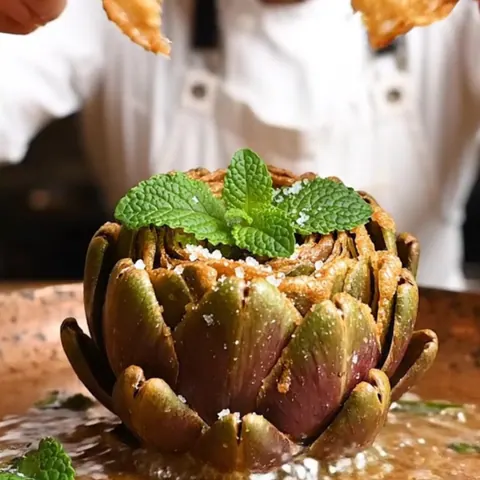
Learn the secret to perfect Roman crispy fried artichokes. These golden, flower-shaped delights shatter like autumn leaves with every bite. Discover the traditional two-stage frying method for the ultimate snack.
Published 8 min read
- Total time
- Prep
- Cook
- Serves
- 4
- Makes 4 whole artichokes
- Cuisine
- Italian
- Calories
- 320
- per serving, estimated

On this page15 sections
Discover the secret to the most iconic Roman appetizer: Carciofi alla Giudia. These artichokes are transformed through a traditional double-frying process into golden, flower-shaped delicacies that shatter upon impact. With a tender heart and incredibly crispy petals, this dish brings the rustic charm of a Roman trattoria directly to your kitchen table. It is a simple yet masterful technique that creates a sophisticated result with minimal ingredients, focusing on texture and the natural flavor of the artichoke.
The Carciofi alla Giudia, or Jewish-style artichokes, is a culinary legend from Rome. This method turns a rustic vegetable into a stunning visual centerpiece that tastes as good as it looks. By trimming the artichokes and using a two-stage frying process—first to soften the interior, then to flash-fry the exterior—the petals open up like a blooming flower. The result is a contrast between the buttery, soft heart and the paper-thin, crispy leaves. This recipe provides clear instructions to achieve that perfect crunch every time, ensuring your home-cooked artichokes rival the best found in Roman markets.
The appeal
Why you’ll love it
The method of beating the artichoke against the table is essential for forcing the leaves to open. This physical manipulation ensures that when the artichoke hits the hot oil, the petals crisp individually rather than staying clumped together. The two-stage frying process is the true secret behind the texture, as it allows the vegetable to cook through to the core at a lower temperature, preventing the exterior from burning before the inside is finished.
The initial confit stage at 300°F acts as a gentle poaching phase, tenderizing the dense heart of the artichoke without darkening it. By then increasing the heat to 385°F for the final flash-fry, the moisture on the surface evaporates rapidly, causing the leaves to expand and set into a rigid, crispy structure. This dual-temperature approach is the only way to achieve the characteristic shatter-like crunch that defines an authentic Roman artichoke.
What you need
Ingredients
Makes 4 whole artichokes.
Tools
Equipment
- Heavy-bottomed pot
- Slotted spoon
- Chef knife
- Kitchen towel
- Deep-fry thermometer
Swaps
Substitutions
Instead ofPurple Roman globe artichokes
UseAny large, fresh globe artichokes available at the market
Instead ofOlive oil
UseAny neutral high-smoke point frying oil like grapeseed or refined sunflower oil
Good to know
Notes
Select fresh, firm globe artichokes with tightly packed leaves for the best results. The purple Roman variety is traditional, but any high-quality globe artichoke will work well. Ensure the stems are trimmed and peeled, as they are delicious once cooked and add to the overall presentation. If you cannot find fresh mint, a simple sprinkle of sea salt is sufficient to highlight the earthy, nutty flavor of the artichoke.
A heavy-bottomed pot is crucial for maintaining consistent oil temperatures, which is the most important factor in this recipe. Using a deep-fry thermometer is highly recommended, as oil that is too cool will make the artichokes greasy, while oil that is too hot will burn the delicate petals. Always use a neutral oil or a good quality olive oil that can withstand high heat without smoking or developing a bitter flavor.
Prep
Before you start
Before beginning, ensure your workspace is clean and you have a heavy-bottomed pot ready for frying. Have a kitchen towel, a slotted spoon, and a wire rack or paper towels prepared for draining the artichokes. Verify that your deep-fry thermometer is accurate and calibrated. It is also helpful to have your sea salt and fresh mint measured and within reach, as the final fry happens very quickly and requires your full attention to prevent the petals from burning.
Step by step
Method
Phase 1
Preparation and Blooming
Step 1: Prepare the Artichokes
Trim the tough outer leaves of the artichokes using a sharp knife. Pare the stems to remove any fibrous skin. Flatten the tops of the artichokes to ensure even frying. Gently beat the artichokes against a flat table surface to encourage the petals to open outward. Soak the prepared artichokes in a bowl of cold water mixed with lemon juice to prevent discoloration, then dry them thoroughly with a clean kitchen towel.
You’ll need: purple Roman globe artichokes · lemon juice
Look for: The artichokes should look like blooming flowers with slightly spread petals.
Tip: Ensure the artichokes are completely dry before frying to prevent hot oil splattering.
Checkpoint
The artichokes should look like blooming flowers with their petals spread wide. They should be clean, trimmed, and completely dry to the touch. Ensure the stems are peeled and the tops are flattened so they sit securely in the pot during the initial cooking stage.
Phase 2
Confit Stage
Step 2: Initial Confit
Fill a heavy-bottomed pot with olive oil and heat it to 300°F (149°C). Carefully submerge the artichokes in the oil. Cook them for 10 minutes until the centers become tender when pierced with a knife. Remove the artichokes from the oil using a slotted spoon and set them aside on a plate to drain briefly.
You’ll need: olive oil
Look for: The artichokes should be tender but not yet browned.
Tip: Use a deep-fry thermometer to maintain a steady temperature throughout the cooking process.
Checkpoint
The artichokes should be soft when pierced with a knife, indicating the hearts are cooked through. They will appear slightly wilted and pale, having absorbed some of the olive oil. This stage is crucial for ensuring the interior is fully cooked and buttery before the final crisping.
Phase 3
Flash Fry Transformation
Step 3: Flash Fry for Crispness
Use a fork to gently pry the petals of the partially cooked artichokes even wider. Increase the temperature of the olive oil to 385°F (196°C). Plunge the artichokes back into the hot oil for 90 seconds. Watch closely as the petals bronze and turn instantly crispy. Remove immediately and drain on a wire rack or paper towels. Sprinkle generously with sea salt and garnish with fresh mint leaves before serving.
You’ll need: olive oil · sea salt · fresh mint
Look for: The petals should reach a deep golden brown color and shatter when touched.
Tip: Serve immediately while the texture is at its peak crunchiness.
Checkpoint
The petals should turn a deep, bronze color and feel extremely brittle. They should shatter easily when touched. The artichokes will now have a distinct, open appearance and a pleasant, nutty aroma from the browned leaves. They are ready to be salted and served immediately.
Doneness
How to tell it’s done
The artichokes are done when the petals have reached a deep, bronze-brown color and feel rigid to the touch. When you press a fork against a petal, it should shatter with a crisp, audible snap. The heart should be soft and tender, yielding easily to a knife. Always check the oil temperature before the final flash-fry, as reaching 385°F is the key to ensuring the petals crisp up instantly rather than absorbing excess oil during the final stage.
Avoid these
Common mistakes
The most common mistake is failing to dry the artichokes thoroughly after soaking, which leads to dangerous oil splashing and uneven crisping. Another error is neglecting to open the petals wide enough after the first fry; if the leaves are too compact, the oil cannot reach the center, and the artichoke will remain greasy. Finally, avoid crowding the pot during frying, as this causes the oil temperature to drop rapidly, preventing the desired crispy transformation.
Better results
Tips
Tip 1
For the best presentation, stand the artichokes upright in the oil if possible, or arrange them so they do not overlap. This ensures that the petals are evenly exposed to the heat. If you find the petals are not opening enough, you can use two forks to gently pull them outward during the final seconds of the confit stage before increasing the heat for the crisping phase.
Tip 2
The seasoning is simple by design to let the vegetable shine. While sea salt and mint are traditional, you can add a small squeeze of fresh lemon juice over the finished artichokes just before serving to add a bright, acidic contrast to the rich fried flavor. This small addition can help cut through the oil and make the overall experience more refreshing and balanced for the palate.
Make it yours
Variations
Garlic Infused Oil
Add two smashed cloves of garlic to the olive oil during the initial confit stage. The garlic will infuse the oil with a subtle aroma that permeates the artichoke petals as they cook, adding a savory depth to the final result.
Lemon Zest Finish
Instead of just using mint, finish the fried artichokes with a generous grating of fresh lemon zest alongside the sea salt. The volatile oils in the zest provide a bright, aromatic lift that complements the earthy flavor of the fried leaves perfectly.
On the table
Serving suggestions
Serve the artichokes warm, ideally on a large platter as a centerpiece. They are intended to be eaten with your hands, peeling off the individual crispy petals one by one to reach the tender heart. This interactive style of eating is part of the traditional experience. Provide plenty of napkins, as the dish is naturally oily and messy to enjoy, which is expected for such a rustic, hands-on appetizer.
Accompany the artichokes with a simple crisp white wine or a sparkling beverage to cleanse the palate between bites. Because the dish is rich and savory, a light, acidic drink provides the perfect balance. Place the platter in the center of the table and encourage guests to start from the outside, working their way in. The combination of salt, fresh mint, and the nutty artichoke flavor is best enjoyed while the petals are still hot.
Leftovers
Storage & make-ahead
- Fridge
- Store in an airtight container for up to 24 hours.
- Reheat
- Reheat in a 375°F oven for 5-8 minutes to regain some crispness.
These are best enjoyed immediately upon cooking. If you have leftovers, allow them to cool completely at room temperature for no more than two hours. Once cool, place them in an airtight container to maintain their shape. Because they are deep-fried, they will lose their signature crispness quickly once removed from the oil, so consume them within one day for the best results, though the texture will not be the same as freshly fried.
Make ahead
You can perform the first stage (the confit) up to one day in advance. Cook the artichokes in the oil until tender, then remove, drain, and let them cool completely. Store them in the refrigerator in an airtight container. When ready to serve, bring them to room temperature for 30 minutes, then proceed directly to the final flash-fry stage as described in the steps. This makes the dish much more manageable for entertaining guests.
Questions
Frequently asked questions
Can other types of artichokes be used for this recipe?
While the purple Roman globe artichoke is traditional due to its size and tender leaves, any large, fresh globe artichoke will work. Ensure they are young and firm for the best result. Avoid small or canned artichokes as they will not hold their shape or provide the necessary texture for this specific frying method.
Why does the oil temperature need to be so precise?
The precise temperature control is the secret to the dual-texture result. If the oil is too cool during the first stage, the artichoke will become greasy rather than tender. If the oil is too cool during the final stage, the petals will not crisp instantly, resulting in a heavy, soggy product instead of the desired shatter-like crunch.
Is it necessary to use fresh mint as a garnish?
Fresh mint is a classic pairing for Carciofi alla Giudia because its cool, herbal notes cut through the richness of the olive oil. While it is highly recommended for an authentic flavor profile, you can omit it or substitute it with fresh Italian parsley if preferred, though the flavor profile will be slightly less traditional.
Everything in one place: the recipe card below gathers the ingredients, steps and estimated nutrition, ready to print.
Recipe card
Roman Crispy Fried Artichokes: Authentic Carciofi alla Giudia
Learn the secret to perfect Roman crispy fried artichokes. These golden, flower-shaped delights shatter like autumn leaves with every bite. Discover the traditional two-stage frying method for the ultimate snack.
- Prep
- Cook
- Total
- Servings
- 4 whole artichokes
Ingredients
- 4 purple Roman globe artichokes
- 1 tbsp lemon juice
- 4 cups olive oil
- 1/2 tsp sea salt, to taste
- fresh mint, for serving
Instructions
Prepare the Artichokes. Trim the tough outer leaves of the artichokes using a sharp knife. Pare the stems to remove any fibrous skin. Flatten the tops of the artichokes to ensure even frying. Gently beat the artichokes against a flat table surface to encourage the petals to open outward. Soak the prepared artichokes in a bowl of cold water mixed with lemon juice to prevent discoloration, then dry them thoroughly with a clean kitchen towel.
Initial Confit. Fill a heavy-bottomed pot with olive oil and heat it to 300°F (149°C). Carefully submerge the artichokes in the oil. Cook them for 10 minutes until the centers become tender when pierced with a knife. Remove the artichokes from the oil using a slotted spoon and set them aside on a plate to drain briefly.
Flash Fry for Crispness. Use a fork to gently pry the petals of the partially cooked artichokes even wider. Increase the temperature of the olive oil to 385°F (196°C). Plunge the artichokes back into the hot oil for 90 seconds. Watch closely as the petals bronze and turn instantly crispy. Remove immediately and drain on a wire rack or paper towels. Sprinkle generously with sea salt and garnish with fresh mint leaves before serving.
Nutrition (estimated, per serving)
- Calories
- 320 kcal
- Protein
- 4.5 g
- Carbs
- 18 g
- Fat
- 26 g
- Fiber
- 7 g
- Sugar
- 1 g
- Sodium
- 450 mg
Estimates only: values vary with brands, substitutions and portion sizes.
Recipe by EasyCooks Kitchen · easycooksrecipes.com
Share this recipe
Send it to someone who’d love it, or save it for later.
Spotted a mistake in this recipe? Let us know.
Keep cooking


