Smoky Texas Brisket Burnt Ends and Sharp Cheddar Mac
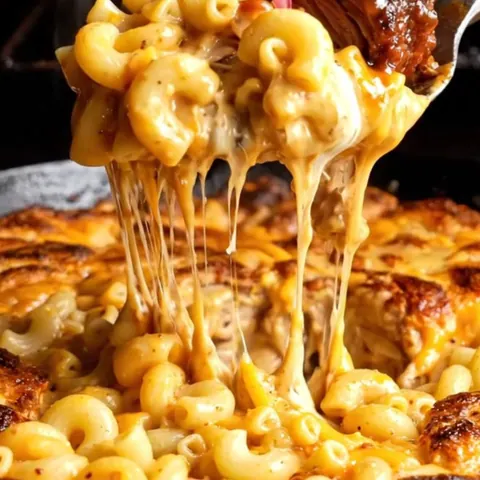
Experience the ultimate comfort food with this smoky Texas-style brisket burnt ends paired with a creamy, sharp cheddar and Colby Jack macaroni and cheese.
Published 8 min read
- Total time
- Prep
- Cook
- Rest
- Serves
- 4
- Cuisine
- Texas BBQ
- Calories
- 720
- per serving, estimated

On this page16 sections
Discover the ultimate indulgence with smoky Texas brisket burnt ends nestled atop a bed of creamy, sharp cheddar and Colby Jack macaroni. This dish combines the deep, rustic flavors of authentic pit-smoked barbecue with the comforting, velvety texture of a classic stovetop mac and cheese. Perfect for feeding a hungry crowd or treating yourself to an elevated weekend meal, this recipe balances savory, smoky, and creamy notes in every single satisfying, hearty bite.
Transform your kitchen into a backyard barbecue smokehouse with this simple, high-impact recipe. By utilizing pre-smoked brisket burnt ends, the preparation time is drastically reduced while the flavor intensity remains sky-high. The combination of cavatappi pasta—chosen for its ability to hold onto thick sauces—and a blend of sharp cheddar and Colby Jack creates a textural masterpiece. Whether you are a fan of traditional Southern comfort food or simply looking to impress at your next dinner gathering, this dish delivers consistent, delicious results that feel both sophisticated and deeply familiar.
The appeal
Why you’ll love it
The method of coating the brisket in a tangy hickory sauce before broiling creates a perfect, sticky glaze that contrasts beautifully with the creamy cheese sauce. Broiling the final dish ensures that the brisket develops those signature charred edges while allowing the cheese on top to form a slightly golden, bubbly crust, adding an essential layer of texture that distinguishes this from a standard stovetop pasta dish.
Using a blend of sharp cheddar and Colby Jack provides a balance between deep, tangy flavor and superior meltability. The sharp cheddar brings the necessary punch that cuts through the richness of the cream base, while the Colby Jack ensures the sauce remains smooth and stretchy. This synergy is key to achieving a professional-quality mac and cheese that stays creamy even after it has spent a few minutes under the high heat of the broiler.
What you need
Ingredients
Makes 4 servings.
Contains:
- Gluten
- Milk
Tools
Equipment
- Large saucepan
- Mixing bowl
- Baking dish
- Broiler
Swaps
Substitutions
Instead ofCavatappi
UseFusilli or elbow macaroni
Instead ofHickory BBQ sauce
UseAny favorite tangy barbecue sauce
Good to know
Notes
The quality of the brisket is the most important factor in this dish. If possible, source high-quality smoked burnt ends from a reputable local smokehouse to ensure the meat is tender and has the right level of smoke. If you are smoking your own, ensure the bark is well-developed before cubing, as this texture is what defines the 'burnt end' experience in this recipe, providing a satisfying bite against the soft, creamy pasta.
When selecting pasta, cavatappi is highly recommended due to its helical shape, which effectively traps the thick cheese sauce inside every twist. If cavatappi is unavailable, other shapes like fusilli or traditional elbow macaroni are excellent alternatives. For the cheese, always grate it yourself from a block if time permits; pre-shredded cheese often contains anti-caking agents that can negatively affect the smoothness and overall texture of the final sauce.
Prep
Before you start
Before beginning the cooking process, ensure all ingredients are measured and ready. Shred the cheddar and Colby Jack cheeses if not already done, as this facilitates faster melting. Preheat your broiler to 419°F (215°C) and have your baking dish at hand. Ensure the brisket is cubed into bite-sized pieces so that every scoop of pasta contains a good ratio of meat and cheese. Having everything prepared in advance makes the assembly process seamless and prevents the sauce from cooling down too quickly during the final steps.
Step by step
Method
Phase 1
Brisket preparation
Step 1: Prepare the brisket
Dice the smoked brisket burnt ends into uniform cubes. Place them in a mixing bowl and toss thoroughly with the hickory barbecue sauce until every piece is well-coated. Set aside while preparing the pasta and cheese sauce.
You’ll need: smoked brisket burnt ends · tangy hickory BBQ sauce
Look for: The brisket should be coated in a thin, even layer of sauce.
Tip: Ensure the brisket is at room temperature for better sauce absorption.
Checkpoint
At the end of this phase, the brisket should be uniformly coated in the hickory barbecue sauce, appearing glossy and dark. The sauce should be well-integrated into the meat, ensuring that the tangy flavor will penetrate during the broiling process. Ensure all cubes are roughly equal in size for even cooking. This step is about setting the flavor profile, so take a moment to ensure every piece is thoroughly covered, as this will be the standout element in the final dish.
Phase 2
Sauce and pasta assembly
Step 2: Prepare the mac and cheese
Bring the smoked-paprika cream sauce to a gentle simmer in a large saucepan. Gradually whisk in the shredded sharp yellow cheddar and Colby Jack until the mixture is smooth and fully melted. Fold in the cooked cavatappi pasta, ensuring every noodle is coated in the thick, cheesy sauce.
You’ll need: shredded sharp yellow cheddar and Colby Jack · smoked-paprika cream sauce · cavatappi pasta
Look for: The cheese sauce should be thick, glossy, and bubbling slightly.
Tip: Whisk constantly to prevent the cheese from scorching at the bottom of the pan.
Checkpoint
The sauce should be thick, velvety, and completely smooth with no visible lumps of cheese. The cavatappi should be fully coated, with the cheese sauce clinging to the ridges of the pasta. It should look rich and cohesive. Check that the sauce has reached a consistent heat throughout. If it looks too thick, a tiny splash of cream can be added, but aim for a consistency that coats the back of a spoon before transferring it to the baking dish.
Phase 3
Final broiling
Step 3: Broil and serve
Transfer the pasta mixture into a baking dish. Top evenly with the prepared barbecue-coated brisket burnt ends. Place under a preheated broiler at 419°F (215°C) for 3 minutes until the brisket edges are caramelized and the cheese surface is bubbling. Remove from the oven and let it rest for 3 minutes before serving to ensure the brisket reaches a safe internal temperature of 145°F (63°C).
You’ll need: smoked brisket burnt ends · cavatappi pasta · shredded sharp yellow cheddar and Colby Jack
Internal temperature 145°F (63°C)
Look for: The edges of the brisket should look dark and caramelized.
Tip: Watch the dish closely while under the broiler to prevent burning.
Checkpoint
The final result should be a beautiful, golden-brown top with charred edges on the brisket. The cheese around the edges of the baking dish should be bubbling vigorously. The aroma should be distinctly smoky with a hint of toasted cheese. Before serving, verify that the center is hot. The resting period is crucial here; it allows the sauce to settle and thicken slightly, ensuring the perfect texture for each serving and allowing the meat to reach a safe serving temperature.
Doneness
How to tell it’s done
The dish is considered done when the cheese sauce is hot, smooth, and bubbling throughout the baking dish. The brisket burnt ends should be visibly caramelized, with the edges showing a deep brown color from the sugars in the barbecue sauce. When the dish is removed from the broiler, it should have a slight golden hue on the surface, and the internal temperature of the brisket should reach at least 145°F (63°C) after the required 3-minute resting period.
Avoid these
Common mistakes
Avoid over-boiling the pasta; it should be cooked to al dente so it maintains its structure when folded into the sauce and later broiled. Another common mistake is using a heat that is too high when melting the cheese, which can cause the milk solids to separate and the sauce to become oily. Always maintain a gentle simmer and whisk continuously. Additionally, keep a close eye on the broiler, as the sugar in the barbecue sauce can burn very quickly if left unattended for too long.
Cook safely
Food safety
Safe internal temperatures
Cook to at least these temperatures, measured with an instant-read thermometer in the thickest part.
| Food | Minimum internal temperature |
|---|---|
| Whole cuts of meat | 145°F (63°C)Then rest at least 3 minutes |
Better results
Tips
Tip 1
For an extra layer of flavor, consider adding a pinch of smoked paprika or a dash of hot sauce directly into the cream sauce base. This enhances the smoky notes of the brisket and adds a subtle depth that complements the sharp cheddar. If you prefer a crunchier topping, you can sprinkle a small amount of panko breadcrumbs mixed with melted butter over the top of the brisket before placing the dish under the broiler for that final blast of heat.
Tip 2
To ensure the best possible texture, use full-fat dairy products. The fat content in the cream and the cheese is what creates the luxurious, mouth-coating sensation that defines a great mac and cheese. If the sauce seems a little too thick once the pasta is added, do not hesitate to add a tablespoon of warm milk or cream to loosen it up. The goal is a sauce that is rich and pourable, not stiff or gummy.
Make it yours
Variations
Spicy BBQ Mac
Add two tablespoons of finely diced pickled jalapeños into the cheese sauce before folding in the pasta for a spicy kick that cuts through the richness of the cheese.
Herb-Crusted Mac
Mix a tablespoon of finely chopped fresh chives or parsley with panko breadcrumbs and sprinkle over the top before broiling for a fresh, herbaceous finish.
On the table
Serving suggestions
Serve the mac and cheese hot, directly from the baking dish. It pairs beautifully with a crisp, acidic side dish like a vinegar-based coleslaw or a simple green salad with a bright lemon vinaigrette to cut through the richness of the cheese and the smokiness of the brisket. Providing a few extra dashes of hot sauce on the side allows guests to customize the heat level to their personal preference.
For a complete meal, consider serving this with a side of pickled red onions or bread-and-butter pickles. The acidity and crunch of the pickles provide a necessary contrast to the heavy, creamy pasta and tender, smoky meat. Portion the mac into wide, shallow bowls to showcase the beautiful contrast between the charred brisket and the golden, cheesy pasta, ensuring each guest gets a generous helping of both the meat and the sauce.
Leftovers
Storage & make-ahead
- Fridge
- Keep in an airtight container for up to 3 days.
- Freezer
- Not recommended as the cheese sauce may separate upon thawing.
- Reheat
- Reheat in the oven at 350°F (175°C) until heated through, adding a splash of milk if needed to restore creaminess.
Store any leftovers in an airtight container in the refrigerator for up to 3 days. Ensure the dish has cooled completely to room temperature before covering and refrigerating, but do not leave it out for more than 2 hours to maintain food safety. When storing, try to keep the brisket pieces on top to prevent them from becoming too soft within the pasta sauce over time.
Make ahead
You can prepare the cheese sauce and cook the pasta ahead of time. Store them separately in the refrigerator. When you are ready to serve, combine them in the baking dish, add the brisket, and proceed with the broiling step. This makes it a great option for hosting, as you can have most of the work done before your guests arrive, leaving only the final assembly and broiling for the last minute.
Questions
Frequently asked questions
Can this dish be made with a different type of meat?
While brisket burnt ends are traditional for this specific recipe, you can certainly substitute them with pulled pork or even diced smoked sausage. The key is to ensure the meat has a smoky flavor and is cut into bite-sized pieces that can be easily tossed in the barbecue sauce.
Why is it important to rest the dish after broiling?
Resting the dish for 3 minutes allows the cheese sauce to stabilize and thicken slightly. It also ensures the brisket reaches a safe, even serving temperature throughout. This short wait time results in a better mouthfeel and prevents the sauce from being too runny when you scoop it onto plates.
What is the best way to prevent the cheese sauce from becoming oily?
The secret is to keep the heat low while melting the cheese and to add the cheese gradually. If the sauce becomes too hot, the emulsification can break, causing the fat to separate from the proteins. Whisking constantly and maintaining a gentle, steady heat helps keep the sauce smooth, glossy, and perfectly creamy.
Everything in one place: the recipe card below gathers the ingredients, steps and estimated nutrition, ready to print.
Recipe card
Smoky Texas Brisket Burnt Ends and Sharp Cheddar Mac
Experience the ultimate comfort food with this smoky Texas-style brisket burnt ends paired with a creamy, sharp cheddar and Colby Jack macaroni and cheese.
- Prep
- Cook
- Rest
- Total
- Servings
- 4 servings
Ingredients
- 400 grams smoked brisket burnt ends
- 80 milliliters tangy hickory BBQ sauce
- 450 grams shredded sharp yellow cheddar and Colby Jack
- 550 milliliters smoked-paprika cream sauce
- 450 grams cavatappi pasta
Instructions
Prepare the brisket. Dice the smoked brisket burnt ends into uniform cubes. Place them in a mixing bowl and toss thoroughly with the hickory barbecue sauce until every piece is well-coated. Set aside while preparing the pasta and cheese sauce.
Prepare the mac and cheese. Bring the smoked-paprika cream sauce to a gentle simmer in a large saucepan. Gradually whisk in the shredded sharp yellow cheddar and Colby Jack until the mixture is smooth and fully melted. Fold in the cooked cavatappi pasta, ensuring every noodle is coated in the thick, cheesy sauce.
Broil and serve. Transfer the pasta mixture into a baking dish. Top evenly with the prepared barbecue-coated brisket burnt ends. Place under a preheated broiler at 419°F (215°C) for 3 minutes until the brisket edges are caramelized and the cheese surface is bubbling. Remove from the oven and let it rest for 3 minutes before serving to ensure the brisket reaches a safe internal temperature of 145°F (63°C).
Allergens: Gluten, Milk
Nutrition (estimated, per serving)
- Calories
- 720 kcal
- Protein
- 32 g
- Carbs
- 58 g
- Fat
- 40 g
- Fiber
- 2 g
- Sugar
- 8 g
- Sodium
- 950 mg
Estimates only: values vary with brands, substitutions and portion sizes.
Recipe by EasyCooks Kitchen · easycooksrecipes.com
Share this recipe
Send it to someone who’d love it, or save it for later.
Spotted a mistake in this recipe? Let us know.
Keep cooking


