Crispy Southern Cornmeal Pancakes with Honey Butter
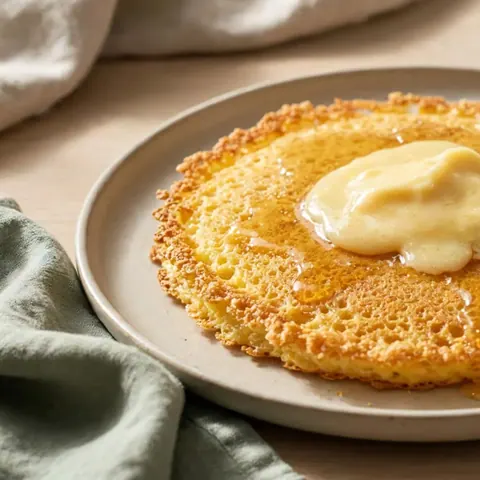
Experience the ultimate breakfast delight with these Southern-style cornmeal pancakes. Featuring a unique shatteringly crisp lacy edge and a tender, fluffy center, they are perfected by a generous slather of whipped salted honey butter. This simple recipe brings rustic charm to your morning table.
Published 13 min read
- Total time
- Prep
- Cook
- Serves
- 4
- Makes 8 pancakes
- Cuisine
- Southern
- Calories
- 280
- per serving, estimated

On this page16 sections
Elevate your morning routine with these Southern-style cornmeal pancakes that prioritize texture above all else. By combining stone-ground cornmeal with a classic buttermilk base, this recipe creates a unique pancake that is both hearty and light. The real magic happens in the cast-iron skillet, where the edges transform into a shatteringly crisp, lacy halo. Finished with a rich dollop of whipped salted Tupelo honey butter, these pancakes offer the perfect balance of savory crunch and delicate sweetness.
These cornmeal pancakes are a masterclass in culinary texture, designed to bring a touch of Southern farmhouse tradition into your kitchen. The secret lies in the specific interaction between the cornmeal and the high-heat frying method, which encourages the batter to spread and crisp into golden, lace-like edges. Unlike standard flour-based pancakes, the addition of stone-ground cornmeal provides a subtle, nutty depth that pairs beautifully with the tang of buttermilk and the richness of honey. Whether you are looking to master a new technique or simply craving a satisfying breakfast, these pancakes deliver a memorable experience in every bite. With just a few pantry staples, you can transform simple ingredients into a breakfast that feels truly special. Follow these steps to achieve that iconic golden crunch and enjoy a meal that is as visually stunning as it is delicious.
The appeal
Why you’ll love it
The method of frying in a cast-iron skillet is essential because cast iron retains heat exceptionally well, providing the steady, high temperature needed to fry the edges of the batter instantly. As the batter hits the hot clarified butter, the moisture evaporates rapidly, causing the edges to crisp up into a delicate, lace-like texture. This technique ensures that the perimeter of the pancake becomes shatteringly crunchy while the center remains protected and stays tender and fluffy. The use of clarified butter is key because it has a higher smoke point than regular butter, allowing you to fry at the necessary temperature without the milk solids burning or turning bitter before the pancakes are fully cooked through.
Additionally, the specific ratio of stone-ground cornmeal to all-purpose flour provides the necessary structure for the lacy edges to hold their shape. The cornmeal adds a distinct, gritty texture that gives the pancake its characteristic bite, while the flour binds the batter together to keep the center light. Tangy buttermilk reacts with the egg to provide a gentle lift, ensuring the center is not too dense or heavy. By whisking these components together, you create a batter that is balanced in flavor and texture, perfectly suited for the intense heat of the skillet. This deliberate combination of ingredients and technique is what elevates a simple pancake into a standout breakfast dish that celebrates the harmony of textures.
What you need
Ingredients
Makes 8 pancakes.
Batter
Cooking
Topping
Contains:
- Gluten
- Eggs
- Milk
Served raw or lightly cooked
These pancakes are served with a moist center. Use pasteurised eggs for pregnant women, young children, older adults, or those with weakened immune systems.
Tools
Equipment
- Cast-iron skillet
- Whisk
- Mixing bowl
- Spatula
- Measuring scale
Swaps
Substitutions
Instead ofTupelo honey
UseAny high-quality wildflower or clover honey.
Instead ofClarified butter
UseGhee or a high-smoke point vegetable oil.
Instead ofButtermilk
UseMix 240 ml of milk with 1 tbsp of lemon juice or white vinegar and let stand for 5 minutes.
Instead ofStone-ground cornmeal
UseFine or medium-grind yellow cornmeal.
Good to know
Notes
The choice of stone-ground cornmeal is vital for this recipe as it offers a superior texture and flavor profile compared to finely processed corn flour. The coarseness of the grind allows for the formation of the lacy edges, which are the hallmark of this dish. If you cannot find stone-ground, ensure your cornmeal is labeled as medium or coarse grind to achieve a similar result. The clarified butter is a non-negotiable component for the frying step, as it provides the clean, rich flavor without the risk of burning that occurs with regular butter. Using a high-quality, authentic Tupelo honey for the whipped butter topping will provide a subtle floral note that enhances the natural sweetness of the cornmeal.
Regarding equipment, a well-seasoned cast-iron skillet is the ideal vessel for this recipe, as it provides the best heat retention and non-stick surface properties necessary for achieving the lacy edges. If your skillet is not well-seasoned, ensure you add enough clarified butter to coat the surface completely before adding the batter. The whisking process should be done by hand rather than with an electric mixer to prevent overworking the flour, which could lead to a tougher pancake. Keep your measurements precise, particularly for the buttermilk and cornmeal, as the ratio determines the spread of the batter in the skillet. Using a scale to measure your ingredients will ensure consistent results every time you prepare this breakfast staple.
Prep
Before you start
Before you begin cooking, ensure all your ingredients are measured and ready at room temperature for the best results. Have your cast-iron skillet clean and seasoned, placing it on the stovetop within easy reach. Prepare the whipped honey butter in a small bowl and keep it aside, as it needs to be ready for immediate application once the pancakes are finished. Ensure you have a sturdy spatula available for flipping, as the crispy edges are delicate and require care during the turn. Clear your workspace to allow for efficient movement, as the frying process happens quickly once the skillet reaches the target temperature. Having everything organized will allow you to focus entirely on the frying technique and the development of the lace edges, which is the most critical part of this recipe.
Step by step
Method
Phase 1
Mixing the Batter
Step 1: Prepare the Batter
In a medium mixing bowl, combine the stone-ground yellow cornmeal, all-purpose flour, tangy buttermilk, egg, and honey. Use a whisk to blend the ingredients thoroughly until the batter is smooth and well-combined, ensuring no large dry clumps of flour remain. A well-mixed batter is essential for achieving the perfect texture and consistency during the frying process.
You’ll need: stone-ground yellow cornmeal · all-purpose flour · tangy buttermilk · egg · honey
Look for: The batter should be thick and golden with a uniform consistency throughout.
Tip: Whisk the wet and dry ingredients just until combined to maintain a light and airy pancake texture.
Checkpoint
At the end of this phase, the batter should be a smooth, golden, and cohesive mixture. You should see a uniform distribution of the cornmeal within the buttermilk and flour. Check that there are no large pockets of dry flour lingering at the bottom of the bowl. The consistency should be thick enough to hold its shape when poured into the skillet, but thin enough to spread slightly. The fragrance of the buttermilk and the slight sweetness of the honey should be apparent. Ensure the batter is rested for a minute if needed to allow the cornmeal to hydrate slightly, which helps in creating a more consistent texture during the frying process before you proceed to the heat.
Phase 2
Frying the Pancakes
Step 2: Fry the Pancakes
Place a cast-iron skillet over medium-high heat and add the clarified butter. Once the butter is hot and shimmering, pour in the batter to form pancakes. Fry each pancake for two minutes per side, ensuring the edges fry into a crispy, lacy halo. To cook the eggs through to a safe 160°F (71°C), ensure the center is fully set and firm to the touch.
You’ll need: clarified butter
Internal temperature 160°F (71°C)
Look for: Watch for the golden-brown lace pattern forming on the edges and a firm, set center.
Tip: Use a heavy-bottomed cast-iron skillet to distribute heat evenly for that signature crispy rim.
Checkpoint
By the end of this phase, each pancake should have a beautiful, golden-brown lace halo around the edges. The sound should be a steady, vibrant sizzle as the batter fries in the clarified butter. The pancake should be firm to the touch, and the center should be fully set and moist. Check that the edges are not burning, adjusting the heat as necessary to maintain a consistent golden color. The aroma should be rich and slightly nutty from the cornmeal and butter. Ensure the internal temperature has reached 160°F (71°C) before removing them from the skillet, confirming that the egg is fully cooked and the structure is stable for serving.
Phase 3
Serving the Dish
Step 3: Serve Immediately
Remove the pancakes from the skillet once they reach the desired golden brown color and internal temperature. Arrange them on a plate and immediately top each pancake with a generous portion of the whipped salted Tupelo honey butter. Serve while still hot to enjoy the contrast between the crunchy outer rim and the tender, warm center of the pancakes.
You’ll need: whipped salted Tupelo honey butter
Look for: The butter should begin to melt slightly into the warm, textured surface of the pancake.
Tip: Serve these immediately after cooking to ensure the crispy edges maintain their signature crunch.
Checkpoint
At this final stage, the pancakes should be arranged beautifully on a plate, still warm from the skillet. The whipped honey butter should be resting on top, beginning to soften and melt into the nooks of the pancake. The contrast between the dark, crispy, lacy edges and the golden, fluffy center should be clearly visible. Check that the butter is evenly distributed or placed in a way that allows the diner to spread it easily. The overall presentation should look rustic and inviting, with the smell of warm butter and honey filling the air. Everything should be ready for immediate consumption to enjoy the optimal texture and temperature of the dish.
Doneness
How to tell it’s done
The pancakes are done when they exhibit a deep golden-brown color on both sides, with the edges displaying a distinct, crispy, lacy appearance. When you lift the pancake with a spatula, the center should feel firm and hold its shape without drooping. The internal temperature must reach 160°F (71°C) to ensure the egg is fully set. The texture should be a pleasing contrast between the crunchy, fried perimeter and the moist, tender interior. If the pancakes are darkening too quickly on the outside but feel soft in the middle, lower the heat slightly and continue cooking until the center is cooked through. A properly finished pancake will be fragrant, golden, and hold its structure, offering a satisfying crunch that yields to a soft, fluffy bite.
Avoid these
Common mistakes
A common mistake is using a skillet that is not hot enough, which prevents the edges from forming that signature lacy crunch and leads to greasy, soggy pancakes. Always ensure the clarified butter is shimmering and hot before pouring the batter. Another error is over-mixing the batter, which develops too much gluten and results in a tough, chewy pancake instead of a light, tender one. Avoid using regular butter for frying, as the milk solids will burn and impart an acrid taste to the crispy edges before the center is cooked. Finally, do not overcrowd the skillet, as this lowers the surface temperature and prevents the proper frying effect. Cook in batches if necessary to maintain the heat intensity required for the perfect pancake.
Cook safely
Food safety
Safe internal temperatures
Cook to at least these temperatures, measured with an instant-read thermometer in the thickest part.
| Food | Minimum internal temperature |
|---|---|
| Egg dishes | 160°F (71°C) |
Raw or lightly cooked ingredients
These pancakes are served with a moist center. Use pasteurised eggs for pregnant women, young children, older adults, or those with weakened immune systems.
Better results
Tips
Tip 1
For the best results, use a high-quality, heavy-duty cast-iron skillet that has been well-seasoned. The weight of the iron is crucial for maintaining a steady temperature throughout the frying process, which is the secret to achieving those perfectly crispy edges. If you notice your pancakes are browning too fast, do not hesitate to adjust the heat; the goal is a slow, steady fry that allows the lace halo to develop fully without burning. Always ensure the clarified butter is completely melted and shimmering before adding any batter to the pan, as this prevents the pancakes from sticking and promotes an even, golden-brown finish across the entire surface.
Tip 2
When adding the whipped honey butter, consider placing a small dollop right in the center of each hot pancake. The residual heat will soften the butter, allowing it to soak into the fluffy interior while keeping the edges crisp. If you prefer, you can also whisk a pinch of sea salt into your honey butter to further enhance the contrast between the sweet honey and the nutty cornmeal. This simple addition can elevate the flavor profile of the entire dish. Always keep a close eye on your skillet between batches, as bits of cornmeal can accumulate; wipe the pan clean with a paper towel if necessary to prevent any burnt flavors from affecting the next batch.
Make it yours
Variations
Blueberry Cornmeal Pancakes
Gently fold in a half cup of fresh blueberries into the batter right before frying. The berries add a burst of juicy sweetness that pairs perfectly with the nutty cornmeal and the richness of the salted honey butter.
Spiced Honey Butter
Incorporate a pinch of ground cinnamon or nutmeg into your whipped honey butter. This adds a warm, aromatic dimension that complements the cornmeal and makes the pancakes feel especially cozy for a slow weekend morning.
Savory Herb Pancakes
Omit the honey from the batter and add a tablespoon of finely chopped fresh chives or thyme. Serve with a dollop of salted butter instead of honey butter for a sophisticated, savory breakfast option.
Citrus Zest Infusion
Add a teaspoon of freshly grated orange or lemon zest to the batter. The bright citrus notes cut through the richness of the cornmeal and butter, offering a refreshing twist that balances the flavors beautifully.
On the table
Serving suggestions
Serve these cornmeal pancakes on warmed plates to ensure they stay at the optimal temperature for as long as possible. The contrast between the hot, crispy edges and the cool whipped butter is one of the best parts of this dish, so serve the butter immediately upon plating. You can arrange the pancakes in a stack, but be aware that stacking can soften the crispy edges of the bottom pancakes due to steam. For the best presentation and texture, serve them individually or side-by-side on a large platter so that each pancake maintains its integrity and crunch until the very last bite.
Consider pairing these pancakes with simple, seasonal fruit to complement the nutty flavor of the cornmeal. Fresh berries or sliced peaches work exceptionally well, as their acidity cuts through the richness of the butter and honey. Because the pancakes are already quite flavorful, avoid heavy syrups that might mask the delicate crunch of the edges. If you want to add a savory element, a side of crispy bacon or breakfast sausage can provide a nice contrast to the sweetness of the honey butter, creating a well-rounded and satisfying Southern-inspired breakfast that is perfect for any occasion or weekend gathering.
Leftovers
Storage & make-ahead
- Fridge
- Store in an airtight container for up to 3 days. Allow to cool completely on a wire rack before refrigerating to maintain the best possible texture.
- Freezer
- Freeze in a single layer on a baking sheet, then transfer to a freezer-safe bag for up to 1 month. Reheat directly from frozen for best results.
- Reheat
- Reheat in a toaster oven or a dry cast-iron skillet over medium heat until warmed through and the edges regain their signature crispy crunch.
If you have leftovers, allow them to cool completely on a wire rack to prevent the crispy edges from softening due to steam. Once cool, place the pancakes in an airtight container, separating layers with parchment paper to maintain their shape. They can be stored in the refrigerator for up to three days. When ready to enjoy again, reheat them using a method that restores their crispness, such as a toaster oven or a dry skillet over medium heat, rather than a microwave, which will cause them to become rubbery and lose their signature texture.
Make ahead
You can prepare the dry and wet ingredients separately ahead of time to streamline your morning. Whisk the dry ingredients together in a bowl and store them in an airtight container at room temperature. Combine the wet ingredients in a separate jar and keep them in the refrigerator. When you are ready to cook, simply whisk the two mixtures together. Do not combine the batter more than 30 minutes before frying, as the cornmeal will continue to absorb the liquid and thicken, which can affect the final texture and the ability of the edges to form that signature lacy halo.
Questions
Frequently asked questions
Can these cornmeal pancakes be made gluten-free?
To make this recipe gluten-free, substitute the all-purpose flour with a high-quality, gluten-free all-purpose flour blend that includes xanthan gum. Ensure that the cornmeal is certified gluten-free, as some brands may be processed in facilities that also handle wheat. The frying technique remains the same, but the texture may be slightly more delicate, so handle the pancakes with extra care when flipping. Always check your labels to confirm all ingredients are free from gluten cross-contamination.
Why is the cast-iron skillet important for this recipe?
A cast-iron skillet is essential because it possesses superior heat retention and distribution properties. This allows the pan to maintain a consistent high temperature, which is necessary to flash-fry the edges of the batter. This rapid frying is what creates the signature shatteringly crisp, lacy halo that defines these pancakes. A thinner pan will lose heat too quickly when the batter is added, resulting in a pancake that cooks through without achieving the desired golden, crunchy perimeter.
Can the batter be prepared the night before?
It is not recommended to prepare the batter the night before. If the batter sits for too long, the cornmeal will absorb too much liquid, causing the batter to become overly thick and dense. This change in consistency prevents the batter from spreading properly in the hot skillet, which inhibits the formation of the lacy, crispy edges. For the best results, whisk the dry and wet ingredients together no more than 30 minutes before you are ready to start frying.
How can the crispy edges be maintained when serving a crowd?
To maintain the crispy edges when serving multiple people, do not stack the pancakes on top of one another, as the steam will soften the crunchy perimeters. Instead, place them in a single layer on a baking sheet and keep them in a warm oven set to 200°F (93°C). This allows them to stay warm without losing their signature texture. Alternatively, serve them as they come off the skillet so each person enjoys them at their absolute peak of crunchiness.
What is the best way to ensure the egg is fully cooked?
To ensure the egg is fully cooked, fry the pancakes over medium-high heat until they reach an internal temperature of 160°F (71°C). Use an instant-read thermometer inserted into the thickest part of the pancake to confirm the temperature. Cooking until the edges are golden brown and the center feels firm to the touch is also a reliable indicator. Proper heat management is key; if the outside browns too fast, lower the heat slightly to allow the center to cook through without burning the exterior.
Everything in one place: the recipe card below gathers the ingredients, steps and estimated nutrition, ready to print.
Recipe card
Crispy Southern Cornmeal Pancakes with Honey Butter
Experience the ultimate breakfast delight with these Southern-style cornmeal pancakes. Featuring a unique shatteringly crisp lacy edge and a tender, fluffy center, they are perfected by a generous slather of whipped salted honey butter. This simple recipe brings rustic charm to your morning table.
- Prep
- Cook
- Total
- Servings
- 8 pancakes
Ingredients
Batter
- 100 g stone-ground yellow cornmeal
- 100 g all-purpose flour
- 240 ml tangy buttermilk
- 1 egg
- 20 g honey
Cooking
- 25 g clarified butter
Topping
- 30 g whipped salted Tupelo honey butter
Instructions
Prepare the Batter. In a medium mixing bowl, combine the stone-ground yellow cornmeal, all-purpose flour, tangy buttermilk, egg, and honey. Use a whisk to blend the ingredients thoroughly until the batter is smooth and well-combined, ensuring no large dry clumps of flour remain. A well-mixed batter is essential for achieving the perfect texture and consistency during the frying process.
Fry the Pancakes. Place a cast-iron skillet over medium-high heat and add the clarified butter. Once the butter is hot and shimmering, pour in the batter to form pancakes. Fry each pancake for two minutes per side, ensuring the edges fry into a crispy, lacy halo. To cook the eggs through to a safe 160°F (71°C), ensure the center is fully set and firm to the touch.
Serve Immediately. Remove the pancakes from the skillet once they reach the desired golden brown color and internal temperature. Arrange them on a plate and immediately top each pancake with a generous portion of the whipped salted Tupelo honey butter. Serve while still hot to enjoy the contrast between the crunchy outer rim and the tender, warm center of the pancakes.
Allergens: Gluten, Eggs, Milk
Nutrition (estimated, per serving)
- Calories
- 280 kcal
- Protein
- 6.5 g
- Carbs
- 38 g
- Fat
- 12 g
- Fiber
- 2.5 g
- Sugar
- 8 g
- Sodium
- 210 mg
Estimates only: values vary with brands, substitutions and portion sizes.
Recipe by EasyCooks Kitchen · easycooksrecipes.com
Share this recipe
Send it to someone who’d love it, or save it for later.
Spotted a mistake in this recipe? Let us know.
Keep cooking


