Old-Fashioned Baked Banana Pudding with Toasted Meringue
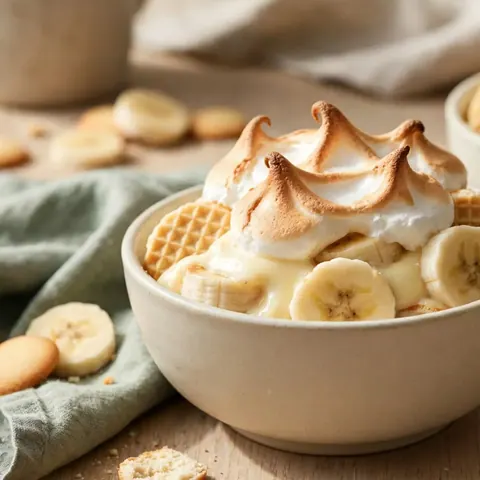
Discover the timeless comfort of a classic baked banana pudding. This recipe features layers of crisp vanilla wafers, fresh banana slices, and a rich, velvety custard topped with a beautifully browned, cloud-like meringue.
Published Updated 11 min read
- Total time
- Prep
- Cook
- Rest
- Serves
- 8
- Makes one 9x13 inch baking dish
- Cuisine
- Southern
- Calories
- 380
- per serving, estimated

On this page16 sections
Discover the art of creating a traditional, comforting baked banana pudding that brings a touch of elegance to your dessert table. This classic recipe relies on simple, high-quality ingredients and precise layering techniques to deliver a balanced flavor profile. By combining the natural sweetness of ripe bananas with the crunch of vanilla wafers and a rich, velvety custard, you create a dessert that is both sophisticated and incredibly satisfying to serve during any gathering or special family occasion.
This baked banana pudding is a testament to the beauty of simple, time-honored desserts. The process involves carefully layering crisp vanilla wafers with fresh banana slices and a luxurious, warm custard. The crowning glory is a cloud-like meringue, which, when baked to a golden brown, adds a delicate texture and a hint of toasted flavor. This recipe is designed for those who appreciate the intersection of creamy, crunchy, and airy elements in a single, well-structured dish that feels special yet remains approachable for any home cook looking to master a true kitchen classic.
The appeal
Why you’ll love it
The method of layering cookies beneath fruit and custard allows the wafers to absorb just enough moisture, softening them into a cake-like consistency while retaining their structural integrity. This creates a harmonious texture that contrasts beautifully with the fresh, firm bite of the bananas. The custard serves as the binding agent, infusing the entire dish with a rich vanilla foundation that bridges the gap between the sweet fruit and the airy, light meringue topping, resulting in a cohesive dessert experience that is greater than the sum of its parts.
Toasting the meringue in the oven serves a dual purpose: it creates an aesthetically pleasing golden crust and adds a subtle, caramelized note that deepens the overall flavor profile. The heat from the oven ensures the custard is properly set and the eggs are fully cooked, providing a safe and firm base for the topping. This precise baking temperature control ensures that the meringue peaks remain tall and defined, offering a professional finish that elevates the pudding from a simple preparation to a centerpiece-worthy dessert.
What you need
Ingredients
Makes one 9x13 inch baking dish.
Layers
Topping
Contains:
- Gluten
- Eggs
- Milk
Served raw or lightly cooked
The eggs in this recipe are served set but not fully cooked through. Use pasteurised eggs for pregnant women, young children, older adults, and anyone with a weakened immune system.
Tools
Equipment
- 9x13 inch ceramic baking dish
- Mixing bowl
- Rubber spatula
- Large serving spoon
- Whisk
Swaps
Substitutions
Instead ofVanilla wafers
UseShortbread cookies or butter biscuits can provide a similar crunch and buttery flavor profile.
Instead ofVanilla custard
UseA standard pastry cream or a thickened vanilla pudding base works effectively for this recipe.
Instead ofMeringue
UseWhipped cream may be used if a non-baked topping is desired, though the traditional toasted finish is lost.
Good to know
Notes
Select high-quality vanilla wafers that offer a crisp, buttery snap, as these provide the crucial textural contrast to the creamy custard. Ensure your bananas are perfectly ripe but still firm; overly soft bananas may lose their shape during the baking process, affecting the final presentation. The custard should be prepared with fresh eggs and high-quality vanilla extract to ensure the most robust flavor, as vanilla is the primary aromatic component of this dish, providing the necessary depth to ground the sweeter elements.
The baking dish choice is important; a ceramic rectangular dish provides even heat distribution, which is essential for achieving a consistent set throughout the pudding. If you find the meringue is browning too quickly, you may loosely tent the dish with aluminum foil, though this is rarely necessary if the oven rack is positioned correctly. Always ensure the custard is warm when assembling, as this helps the layers meld together more effectively during the baking phase, resulting in a smoother, more integrated final texture.
Prep
Before you start
Before beginning, gather all your ingredients and ensure your custard is prepared and kept warm. Preheating the oven is critical; ensure it is calibrated correctly so the meringue browns evenly without the custard base drying out. Have your ceramic baking dish cleaned and ready on a level surface. Verify that your bananas are sliced to a uniform thickness, as this consistency is key to even cooking. A clean workspace and organized mise-en-place will allow you to assemble the layers quickly, keeping the custard at the ideal temperature for optimal integration with the other components.
Step by step
Method
Phase 1
Layering the Foundation
Step 1: Layering the Base
Arrange a single layer of vanilla wafer cookies across the bottom of the ceramic baking dish. Follow this by placing a generous layer of banana slices directly over the cookies, ensuring that the fruit is evenly distributed across the entire surface of the dish for a consistent texture in every bite.
You’ll need: vanilla wafer cookies · sliced bananas
Look for: The dish should be covered in a uniform layer of cookies topped with bananas.
Tip: Ensure the bananas are sliced to a uniform thickness so they cook evenly throughout the process.
Step 2: Adding Custard
Carefully pour the warm vanilla custard over the arranged bananas and cookies. Use a rubber spatula to gently spread the custard, ensuring it penetrates the gaps between the banana slices and reaches the edges of the dish, creating a stable and cohesive foundation for the meringue topping.
You’ll need: vanilla custard
Look for: The custard should just cover the bananas and cookies without overflowing the dish.
Tip: Pour the custard slowly to prevent the cookies from floating or shifting out of their designated positions.
Checkpoint
At the end of this phase, your dish should be neatly layered with a base of wafers and bananas. The custard should be poured evenly, filling the voids between the fruit and cookies. The surface should look smooth and level, ready to support the meringue. Verify that the custard has reached the edges of the baking dish and that the bananas are fully submerged or coated, ensuring they do not brown prematurely. This stage is about building a stable and uniform base that will define the presentation of your final dessert.
Phase 2
Applying the Meringue
Step 3: Topping with Meringue
Spoon the prepared meringue mixture over the custard surface. Using the back of a spoon, gently swirl the meringue to create decorative soft peaks across the top, ensuring it reaches the edges of the baking dish to seal the custard layer properly before entering the oven for the final bake.
You’ll need: meringue
Look for: The surface should be covered in meringue with prominent, artistic swirls and peaks.
Tip: Work quickly to ensure the meringue remains stable and maintains its structure before it reaches the heat.
Checkpoint
The surface should now be covered in a thick, even layer of meringue. The swirls should be distinct, creating attractive peaks that will catch the heat of the oven. Ensure the meringue is sealed against the edges of the ceramic dish, which prevents it from shrinking or pulling away during the baking process. The appearance should be uniform and clean, with no gaps in the coverage. This step is crucial for achieving that signature toasted, cloud-like finish that characterizes a traditional, well-made baked banana pudding.
Phase 3
Final Baking
Step 4: Baking to Golden Perfection
Place the dish into a preheated oven and bake until the meringue reaches a beautiful toasted golden color and the custard is set, reaching an internal temperature of 160°F (71°C) for the egg components. Once finished, remove the dish and allow it to cool slightly before serving to ensure the structure stays perfectly intact.
You’ll need: meringue · vanilla custard
Internal temperature 160°F (71°C)
Look for: The meringue peaks should be golden brown and the custard should appear firm and set.
Tip: Keep a close watch during the final minutes to prevent the delicate meringue peaks from burning unexpectedly.
Checkpoint
The pudding is finished when the meringue is golden brown and the custard is firm and set to 160°F (71°C). The scent should be warm, sweet, and faintly toasted. The dessert should appear stable and slightly puffed, with the custard no longer showing any signs of being loose or liquid. Before serving, the dish should rest for at least fifteen minutes, allowing the internal temperatures to equalize and the custard to firm up further, making it much easier to portion and serve beautifully.
Doneness
How to tell it’s done
The pudding is properly cooked when the meringue peaks are a deep, toasted golden brown and the custard center is fully set. Using a probe thermometer, ensure the custard reaches an internal temperature of 160°F (71°C) to guarantee the eggs are cooked through. The dessert should hold its shape when a serving spoon is lifted, with the custard appearing smooth and cohesive rather than runny or loose. If the meringue is dark but the custard feels under-set, lower the oven heat slightly and continue baking until the internal temperature is reached.
Avoid these
Common mistakes
A common mistake is using bananas that are too ripe, which can result in a mushy texture after the baking process. Ensure the custard is not too cold when assembling, as this can prevent the flavors from melding correctly. Avoid over-swirling the meringue, which can cause the peaks to collapse; gentle, deliberate strokes are best for maintaining the airy structure. Finally, failing to monitor the oven during the final stage can lead to burnt meringue; keeping a vigilant eye ensures the perfect balance of toasted color and a set, airy interior.
Cook safely
Food safety
Safe internal temperatures
Cook to at least these temperatures, measured with an instant-read thermometer in the thickest part.
| Food | Minimum internal temperature |
|---|---|
| Egg dishes | 160°F (71°C) |
Raw or lightly cooked ingredients
The eggs in this recipe are served set but not fully cooked through. Use pasteurised eggs for pregnant women, young children, older adults, and anyone with a weakened immune system.
Better results
Tips
Tip 1
To achieve the most professional look, use a piping bag to apply the meringue, which allows for more control over the shape and size of the peaks. If you prefer a more rustic appearance, stick with the spoon technique, ensuring you lift the spoon sharply after each swirl to create defined, attractive points. Regardless of the application method, the key is to work quickly so the meringue remains airy and does not lose its volume before it enters the heat of the oven.
Tip 2
The serving temperature is a matter of preference, but this pudding is often best enjoyed while still slightly warm, which highlights the creaminess of the custard and the delicate nature of the toasted meringue. If you prefer a firmer texture, allow the dish to cool completely to room temperature before portioning. Serving with a large, flat spoon helps maintain the integrity of the layers, ensuring that every guest receives a perfect cross-section of cookies, bananas, custard, and that delicious, golden-brown meringue topping in their individual bowl.
Make it yours
Variations
Chocolate Swirl Banana Pudding
Incorporate a thin layer of melted semi-sweet chocolate between the custard and the banana slices. The richness of the chocolate complements the vanilla custard and bananas, adding a sophisticated depth to the classic flavor profile without overpowering the delicate balance of the original recipe.
Caramelized Banana Pudding
Lightly sauté the banana slices in a pan with a small amount of butter and brown sugar before layering them into the dish. This adds a deeper, caramelized sweetness that pairs wonderfully with the toasted meringue and creates a more intense flavor experience for the dessert.
Nutty Crunch Banana Pudding
Sprinkle a layer of finely chopped toasted pecans or walnuts between the banana and custard layers. The added crunch provides a pleasant textural contrast to the set custard and meringue, while the nuttiness enhances the overall complexity of the pudding, making it a perfect choice for autumn gatherings.
Spiced Banana Pudding
Whisk a half teaspoon of ground cinnamon and a pinch of nutmeg into the custard before pouring. These warm spices elevate the vanilla notes and provide a cozy, aromatic quality that pairs perfectly with the toasted meringue, creating a comforting dessert that is ideal for cooler weather.
On the table
Serving suggestions
Serve this dessert in individual glass bowls to showcase the beautiful layers of cookies, bananas, and custard, which look stunning when seen from the side. A large serving spoon is the ideal tool for portioning, as it allows you to scoop through all the layers at once. If you want to add a touch of color, a light dusting of cinnamon or a few shavings of dark chocolate can be sprinkled over the top, though the pudding is perfectly delicious and elegant in its own classic, simple form.
For a more formal presentation, serve the pudding alongside a small side of fresh banana slices or an extra vanilla wafer for added texture. Ensure that each serving includes a generous portion of the toasted meringue, as this is the highlight of the dish. The contrast between the warm, set custard and the crisp, toasted topping creates a sensory experience that is best enjoyed immediately after the resting period, when the flavors have settled but the temperature remains inviting and comforting for all your guests.
Leftovers
Storage & make-ahead
- Fridge
- Keep covered in the refrigerator for up to 3 days. Ensure the container is airtight to maintain the delicate texture and flavor of the custard and meringue.
- Reheat
- Reheat individual portions in a microwave-safe dish on low power for 30 seconds, just until warm, taking care not to melt the meringue topping excessively.
Cover any leftovers with plastic wrap, ensuring the wrap does not touch the meringue peaks to avoid sticking. Store the pudding in the refrigerator for up to three days, though the texture of the cookies will soften significantly over time. For the best experience, consume within the first twenty-four hours, as the meringue is best when fresh. Always keep the pudding in an airtight container to prevent it from absorbing other flavors from the refrigerator, ensuring the delicate vanilla profile remains the star of the dessert.
Make ahead
You can prepare the custard and slice the bananas a few hours in advance, but for the best results, assemble and bake the pudding as close to serving time as possible. The meringue topping is particularly sensitive and is best when freshly prepared and toasted. If you must assemble ahead, keep the dish refrigerated until just before baking, adding a few minutes to the total bake time to account for the cold starting temperature of the ingredients, ensuring the custard sets correctly throughout.
Questions
Frequently asked questions
Can this be made ahead of time?
While the custard can be prepared in advance, it is recommended to assemble and bake the pudding just before serving. The meringue topping is best when freshly toasted and can lose its airy texture if left to sit for too long. For the best flavor and presentation, assemble and bake close to your serving time.
How can the meringue be prevented from weeping?
Weeping, or the formation of beads of moisture on the meringue, is often caused by over-baking or high humidity. Ensure the meringue is spread while the custard is warm, which helps create a better bond. Bake only until the peaks are golden and the internal temperature is reached, and allow the pudding to cool gradually away from drafts.
What is the best way to slice the bananas?
Slicing the bananas into uniform rounds, about one-quarter inch thick, ensures they cook evenly and maintain their shape within the layers. Use a sharp knife and clean, steady strokes to achieve consistent slices. This uniformity is important for both the aesthetic appeal of the dish and the consistency of the final texture in every bite.
Can a different type of cookie be used?
Vanilla wafers are traditional for their specific flavor and texture, which soften into a cake-like state when layered with custard. However, shortbread cookies or thin butter biscuits can serve as excellent alternatives. Choose a cookie that is relatively neutral in flavor and has a crisp texture to ensure the best possible results for this classic dessert.
How is it determined when the custard is fully set?
The custard is fully set when it reaches an internal temperature of 160°F (71°C) and appears firm but creamy. It should no longer be loose or liquid when gently nudged. Using a probe thermometer is the most reliable way to confirm the temperature, ensuring the eggs are cooked through while maintaining the signature smooth, velvety texture of the pudding.
Everything in one place: the recipe card below gathers the ingredients, steps and estimated nutrition, ready to print.
Recipe card
Old-Fashioned Baked Banana Pudding with Toasted Meringue
Discover the timeless comfort of a classic baked banana pudding. This recipe features layers of crisp vanilla wafers, fresh banana slices, and a rich, velvety custard topped with a beautifully browned, cloud-like meringue.
- Prep
- Cook
- Rest
- Total
- Servings
- one 9x13 inch baking dish
Ingredients
Layers
- 12 oz vanilla wafer cookies
- 4 cups sliced bananas
- 3 cups vanilla custard, warm
Topping
- 1 cup meringue
Instructions
Layering the Base. Arrange a single layer of vanilla wafer cookies across the bottom of the ceramic baking dish. Follow this by placing a generous layer of banana slices directly over the cookies, ensuring that the fruit is evenly distributed across the entire surface of the dish for a consistent texture in every bite.
Adding Custard. Carefully pour the warm vanilla custard over the arranged bananas and cookies. Use a rubber spatula to gently spread the custard, ensuring it penetrates the gaps between the banana slices and reaches the edges of the dish, creating a stable and cohesive foundation for the meringue topping.
Topping with Meringue. Spoon the prepared meringue mixture over the custard surface. Using the back of a spoon, gently swirl the meringue to create decorative soft peaks across the top, ensuring it reaches the edges of the baking dish to seal the custard layer properly before entering the oven for the final bake.
Baking to Golden Perfection. Place the dish into a preheated oven and bake until the meringue reaches a beautiful toasted golden color and the custard is set, reaching an internal temperature of 160°F (71°C) for the egg components. Once finished, remove the dish and allow it to cool slightly before serving to ensure the structure stays perfectly intact.
Allergens: Gluten, Eggs, Milk
Nutrition (estimated, per serving)
- Calories
- 380 kcal
- Protein
- 6.5 g
- Carbs
- 52 g
- Fat
- 16 g
- Fiber
- 1.5 g
- Sugar
- 35 g
- Sodium
- 210 mg
Estimates only: values vary with brands, substitutions and portion sizes.
Recipe by EasyCooks Kitchen · easycooksrecipes.com
Share this recipe
Send it to someone who’d love it, or save it for later.
Spotted a mistake in this recipe? Let us know.
Keep cooking


