Crispy Caramelized Shanghai Scallion Oil Noodles
Master the art of authentic Shanghai scallion oil noodles with this simple four-ingredient recipe. Perfectly crispy fried scallions and a savory, glossy soy glaze create an addictive dish that comes together in minutes.
Published 9 min read
- Total time
- Prep
- Cook
- Serves
- 2
- Cuisine
- Chinese
- Calories
- 480
- per serving, estimated

On this page15 sections
Discover the secret to restaurant-quality Shanghai noodles that rely on the transformative power of aromatic scallion oil. This straightforward method focuses on extracting maximum flavor from simple ingredients, resulting in a dish that is deeply savory, slightly sweet, and irresistibly crispy. Perfect for a quick weeknight dinner, these noodles are a masterclass in minimalist cooking, proving that complex flavor doesn't require a long list of pantry items or hours of preparation time.
Shanghai scallion oil noodles are a beloved classic that showcases the beauty of Chinese comfort food. By slowly frying fresh scallions and shallots in neutral oil, you create a fragrant, golden-brown base that carries the essence of the aromatics. When combined with a simple glaze of light and dark soy sauce and sugar, the result is a glossy, savory noodle dish that is addictive in its simplicity. This recipe guides you through the process of achieving that signature crispy texture and deep, caramelized flavor profile that makes this dish a true staple in any home kitchen. Whether you are a beginner or an experienced cook, you will appreciate how easily these simple elements transform into a sophisticated meal.
The appeal
Why you’ll love it
The slow-frying method is the key to this recipe's success. By cooking the scallions at a moderate temperature of 150°C, the water content is gently removed, allowing the onions to crisp up rather than burn. This process infuses the oil with a concentrated, sweet, and savory aroma that serves as the foundation for the entire dish. The result is a deeply fragrant oil that coats every noodle perfectly.
Using a combination of light and dark soy sauce adds both depth and color to the dish. Light soy provides the necessary saltiness, while dark soy contributes a rich, caramel-like color and a slightly thicker consistency. The addition of sugar balances these savory components, creating a harmonious glaze that clings to the wheat noodles. This careful balance ensures the final result is never too salty or one-dimensional.
What you need
Ingredients
Makes 2 servings.
Noodle Base
Glaze
Cooking Fat
Contains:
- Gluten
- Soy
Tools
Equipment
- Chef's knife
- Cutting board
- Deep skillet or wok
- Whisk
- Mixing bowl
- Tongs
Swaps
Substitutions
Instead ofNeutral oil
UseUse high-smoke point oils like grapeseed, avocado, or canola oil for the best results when frying the scallions.
Instead ofWheat noodles
UseDried udon or thick egg noodles work well if fresh wheat noodles are unavailable at the local grocery store.
Good to know
Notes
Fresh scallions are essential for this recipe. Choose firm, bright green bunches and avoid any that appear wilted or slimy. The white and light green parts of the scallion provide the most flavor, while the dark green tops add color and texture. Ensure the scallions are completely dry before slicing to prevent excess water from causing the oil to splatter dangerously when added to the pan.
When it comes to equipment, a deep skillet or a traditional carbon steel wok works best. The depth is important because the oil will bubble up once the soy sauce mixture is added. A pair of long tongs is indispensable for tossing the noodles, as it allows you to handle the hot ingredients safely and ensures the sauce is distributed evenly without breaking the noodles during the mixing process.
Prep
Before you start
Before you start, ensure all ingredients are ready for a smooth cooking process. Slice your scallions into long, uniform strips and finely slice your shallots. Have your soy sauce and sugar mixture prepared in a small bowl, whisked and ready to go. Because the frying process moves quickly once the oil is hot, having everything within reach at your stovetop is vital for safety and success. Clear your workspace and set out your tongs and a heat-resistant bowl or plate for serving.
Step by step
Method
Phase 1
Preparing the Aromatics and Glaze
Step 1: Prep Aromatics
Carefully slice the green scallions into long, uniform strips to ensure even frying. Peel the shallots and slice them into thin, consistent rings. Keeping the size uniform helps the aromatics fry at the same rate, preventing some pieces from burning while others remain raw. Set these aside in a clean bowl until ready to fry.
You’ll need: fresh green scallions · shallots
Look for: Scallions and shallots should be sliced into thin, even pieces for consistent frying.
Tip: Use a sharp knife to avoid bruising the delicate green onion layers.
Step 2: Mix Glaze
In a small mixing bowl, combine the light soy sauce, dark soy sauce, and sugar. Whisk the mixture vigorously until the sugar has completely dissolved into the soy sauce base. This ensures the seasoning distributes evenly across the noodles without leaving gritty sugar spots on the final dish.
You’ll need: light soy sauce · dark soy sauce · sugar
Look for: The sugar should be fully dissolved and the mixture smooth.
Tip: Whisking thoroughly before cooking prevents the sugar from burning at the bottom of the pan.
Checkpoint
The scallions and shallots are neatly sliced into consistent pieces, and the soy sauce and sugar mixture is smooth and fully dissolved. Your workstation is organized, and all ingredients are ready to be added to the pan. You should feel prepared and focused before you start heating the oil, as the cooking process requires your full attention to monitor the color of the frying aromatics.
Phase 2
Frying and Glazing
Step 3: Fry Aromatics
Heat the neutral oil in a deep skillet or wok until it reaches 150°C (302°F). Carefully add the sliced scallions and shallots. Fry them over medium heat for approximately 12 minutes. Watch closely as the moisture evaporates and the onions turn a deep, golden brown and become crispy. Do not let them turn dark brown or black, as this creates a bitter flavor.
You’ll need: neutral oil · fresh green scallions · shallots
Look for: The scallions and shallots should be golden, crispy, and fragrant.
Tip: Maintain a steady temperature to ensure the onions fry rather than boil in the oil.
Step 4: Bubble the Glaze
Once the aromatics are crispy, carefully pour the prepared soy and sugar mixture into the hot oil with the scallions. The mixture will bubble vigorously; let it simmer for about 30 seconds to allow the flavors to meld and the glaze to thicken slightly. Be cautious of oil splatter during this process.
You’ll need: light soy sauce · dark soy sauce · sugar · neutral oil
Look for: The sauce should bubble and thicken slightly, coating the back of a spoon.
Tip: Stand back slightly when adding the liquid to the hot oil to avoid splashes.
Checkpoint
The aromatics have reached a beautiful, uniform golden brown color and are crisp. The oil is fragrant and clear, and the addition of the soy glaze has created a rich, bubbling sauce that coats the bottom of the skillet. The kitchen smells intensely savory and sweet, and the consistency of the glaze is thick enough to coat the back of a spoon.
Phase 3
Tossing the Noodles
Step 5: Toss and Serve
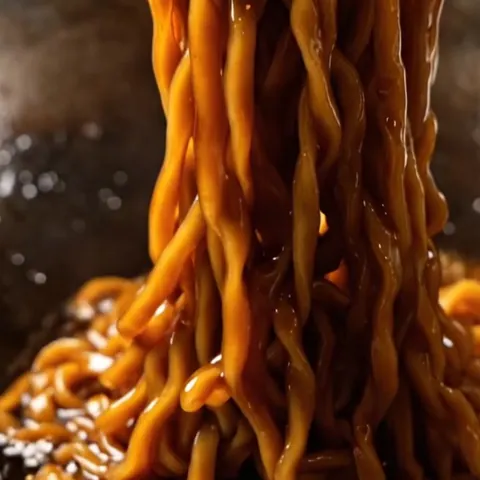
Add the wheat noodles directly into the pan. Using tongs, toss the noodles vigorously with the hot scallion-soy glaze until every strand is evenly coated and mirror-glossy. Ensure the crispy fried scallions are distributed throughout the noodles. Serve immediately while hot to maintain the best texture and flavor.
You’ll need: wheat noodles
Look for: The noodles should be dark, glossy, and evenly coated in the sauce.
Tip: Toss quickly to prevent the noodles from sticking together while they absorb the hot glaze.
Checkpoint
The noodles are perfectly integrated with the scallion oil and soy glaze. Every strand is glossy, dark, and coated with the crispy bits of fried onion. The dish is served immediately, and the contrast between the tender noodles and the crispy scallions is evident. The overall presentation is uniform, with no dry spots or clumps of unseasoned noodles remaining in the pan.
Doneness
How to tell it’s done
The dish is considered done when the scallions and shallots have reached a deep, golden brown color and are crispy to the touch. The soy glaze should be bubbling and slightly thickened, showing a mirror-like sheen. The noodles must be hot, glossy, and thoroughly coated in the scallion-infused oil. There is no protein to test, so rely on the visual cues of the golden aromatics and the texture of the sauce to determine when the dish is ready for serving.
Avoid these
Common mistakes
A common mistake is frying the scallions on heat that is too high, which causes them to burn and turn bitter before they become crispy. Another error is failing to dry the scallions thoroughly, which leads to excessive oil splattering. Additionally, overcrowding the pan can prevent the aromatics from crisping correctly, resulting in soggy onions. Always ensure you have enough space in your skillet so the onions can fry properly in the oil rather than steaming in their own moisture.
Better results
Tips
Tip 1
If you prefer an extra kick, add a pinch of red pepper flakes to the oil during the last minute of frying the scallions. This infuses the oil with a subtle heat that complements the sweetness of the caramelized onions perfectly. Be careful not to add the flakes too early, as they can burn quickly in the hot oil and turn bitter.
Tip 2
For a more professional presentation, save a small portion of the crispy fried scallions to sprinkle over the top of the noodles just before serving. This provides an additional textural contrast and makes the final dish look even more inviting. Make sure to keep these reserved bits in a small, warm spot so they stay crispy while you finish tossing the rest of the noodles with the glaze.
Make it yours
Variations
Spicy Scallion Noodles
Add one tablespoon of chili oil or a teaspoon of red pepper flakes during the glazing phase. This adds a delightful heat that cuts through the richness of the oil.
Vegetable Boost
Toss in some blanched baby bok choy or snap peas during the final step. The crunch of the fresh vegetables complements the crispy scallions and adds vibrant color.
On the table
Serving suggestions
Serve these noodles immediately in deep bowls to retain their heat and glossy appearance. The dish is substantial enough to stand alone as a main course, but it pairs beautifully with a side of steamed bok choy or a simple cucumber salad to balance the richness of the scallion oil. Ensure each serving gets a generous portion of the crispy fried scallions scooped from the bottom of the pan.
If the noodles seem a bit dry when serving, add a small splash of hot water or a teaspoon of neutral oil to loosen the strands. This helps maintain the signature mirror-glossy finish that defines this classic dish. Encourage your guests to mix the noodles well before eating to ensure every bite is perfectly coated in the savory, aromatic sauce created by the fried scallions and soy glaze.
Leftovers
Storage & make-ahead
- Fridge
- Store in an airtight container for up to 2 days.
- Reheat
- Reheat gently in a skillet over medium heat with a splash of water until hot and glossy, or microwave in 30-second intervals until warmed through.
If you have leftovers, allow them to cool to room temperature for no more than two hours. Transfer the noodles to an airtight container to prevent them from drying out or absorbing other odors from the refrigerator. Proper storage in the fridge keeps the noodles fresh for up to two days, although the texture is best when consumed shortly after cooking, as the noodles may soften over time.
Make ahead
You can prepare the scallion oil and the soy glaze mixture ahead of time. Fry the scallions and shallots in the oil until golden and store the aromatic oil in a sealed jar at room temperature. When you are ready to eat, simply heat the oil in a pan, add the soy sauce mixture, and toss with freshly boiled noodles. This method saves significant time during a busy weeknight while maintaining the fresh quality of the dish.
Questions
Frequently asked questions
Why do the scallions turn bitter when frying?
The scallions turn bitter if they are fried at a temperature that is too high or if they are left in the oil for too long. Aim for a steady medium heat and remove the aromatics from the oil as soon as they reach a deep golden brown color.
Can this be made with dried noodles?
Yes, dried wheat noodles can be used successfully. Simply boil them according to the package instructions until al dente, drain them thoroughly, and proceed with the recipe. Ensure they are well-drained so the glaze does not become diluted.
Is it possible to use a different type of oil?
Neutral oils such as canola, grapeseed, or avocado oil are recommended because they have a high smoke point and a neutral flavor that allows the scallion aroma to shine. Avoid using oils with strong flavors like extra virgin olive oil.
Everything in one place: the recipe card below gathers the ingredients, steps and estimated nutrition, ready to print.
Recipe card
Crispy Caramelized Shanghai Scallion Oil Noodles
Master the art of authentic Shanghai scallion oil noodles with this simple four-ingredient recipe. Perfectly crispy fried scallions and a savory, glossy soy glaze create an addictive dish that comes together in minutes.
- Prep
- Cook
- Total
- Servings
- 2 servings
Ingredients
Noodle Base
- 250 grams fresh green scallions, sliced into long strips
- 3 shallots, sliced into rings
- 400 grams fresh wheat noodles
Glaze
- 45 milliliters light soy sauce
- 30 milliliters dark soy sauce
- 2 tbsp sugar
Cooking Fat
- 90 milliliters neutral oil
Instructions
Prep Aromatics. Carefully slice the green scallions into long, uniform strips to ensure even frying. Peel the shallots and slice them into thin, consistent rings. Keeping the size uniform helps the aromatics fry at the same rate, preventing some pieces from burning while others remain raw. Set these aside in a clean bowl until ready to fry.
Mix Glaze. In a small mixing bowl, combine the light soy sauce, dark soy sauce, and sugar. Whisk the mixture vigorously until the sugar has completely dissolved into the soy sauce base. This ensures the seasoning distributes evenly across the noodles without leaving gritty sugar spots on the final dish.
Fry Aromatics. Heat the neutral oil in a deep skillet or wok until it reaches 150°C (302°F). Carefully add the sliced scallions and shallots. Fry them over medium heat for approximately 12 minutes. Watch closely as the moisture evaporates and the onions turn a deep, golden brown and become crispy. Do not let them turn dark brown or black, as this creates a bitter flavor.
Bubble the Glaze. Once the aromatics are crispy, carefully pour the prepared soy and sugar mixture into the hot oil with the scallions. The mixture will bubble vigorously; let it simmer for about 30 seconds to allow the flavors to meld and the glaze to thicken slightly. Be cautious of oil splatter during this process.
Toss and Serve. Add the wheat noodles directly into the pan. Using tongs, toss the noodles vigorously with the hot scallion-soy glaze until every strand is evenly coated and mirror-glossy. Ensure the crispy fried scallions are distributed throughout the noodles. Serve immediately while hot to maintain the best texture and flavor.
Allergens: Gluten, Soy
Nutrition (estimated, per serving)
- Calories
- 480 kcal
- Protein
- 12.5 g
- Carbs
- 62 g
- Fat
- 20 g
- Fiber
- 3.5 g
- Sugar
- 8 g
- Sodium
- 1,150 mg
Estimates only: values vary with brands, substitutions and portion sizes.
Recipe by EasyCooks Kitchen · easycooksrecipes.com
Share this recipe
Send it to someone who’d love it, or save it for later.
Spotted a mistake in this recipe? Let us know.
Keep cooking


